Gentle Sleep for Your Preemie: A NICU Baby's Homecoming Guide
Bringing your premature or NICU baby home marks a truly special moment, a blend of joy, relief, and perhaps a touch of apprehension. After weeks or months immersed in hospital routines, the transition to home life, especially concerning sleep, can feel overwhelming. You're not just welcoming a newborn; you're nurturing a little one who began life with unique challenges. This guide offers gentle, responsive, and evidence-based strategies to help you navigate how to handle sleep for a premature or NICU baby at home. Our philosophy centers on intentional, attuned parenting, recognizing and respecting your preemie's individual needs from the outset.
🌙A gentle note: Every family is different, and we believe you know your baby best. The information in this article is for educational purposes and reflects current safe sleep guidance. When trying anything new, trust your instincts and check in with your pediatrician if you have questions. You are doing a wonderful job.
Understanding Your Preemie's Unique Sleep World
It's crucial to understand that a premature baby's sleep patterns differ significantly from those of a full-term infant. Preemies often have developing nervous systems and smaller stomachs, necessitating more frequent feedings and shorter sleep cycles. They also spend a greater proportion of their sleep in active (REM) sleep, which is vital for brain development. This is why you might observe more movements, facial expressions, and fluttering eyelids during their sleep. These are all natural aspects of their developmental journey. Our approach emphasizes responding to their cues with warmth and understanding, fostering a secure environment that supports healthy sleep habits from the very beginning. We will delve into practical ways to handle sleep for a premature or NICU baby at home, focusing on creating a comforting, womb-like atmosphere and establishing gentle, responsive routines.
Creating a Nurturing, Womb-Like Sleep Sanctuary
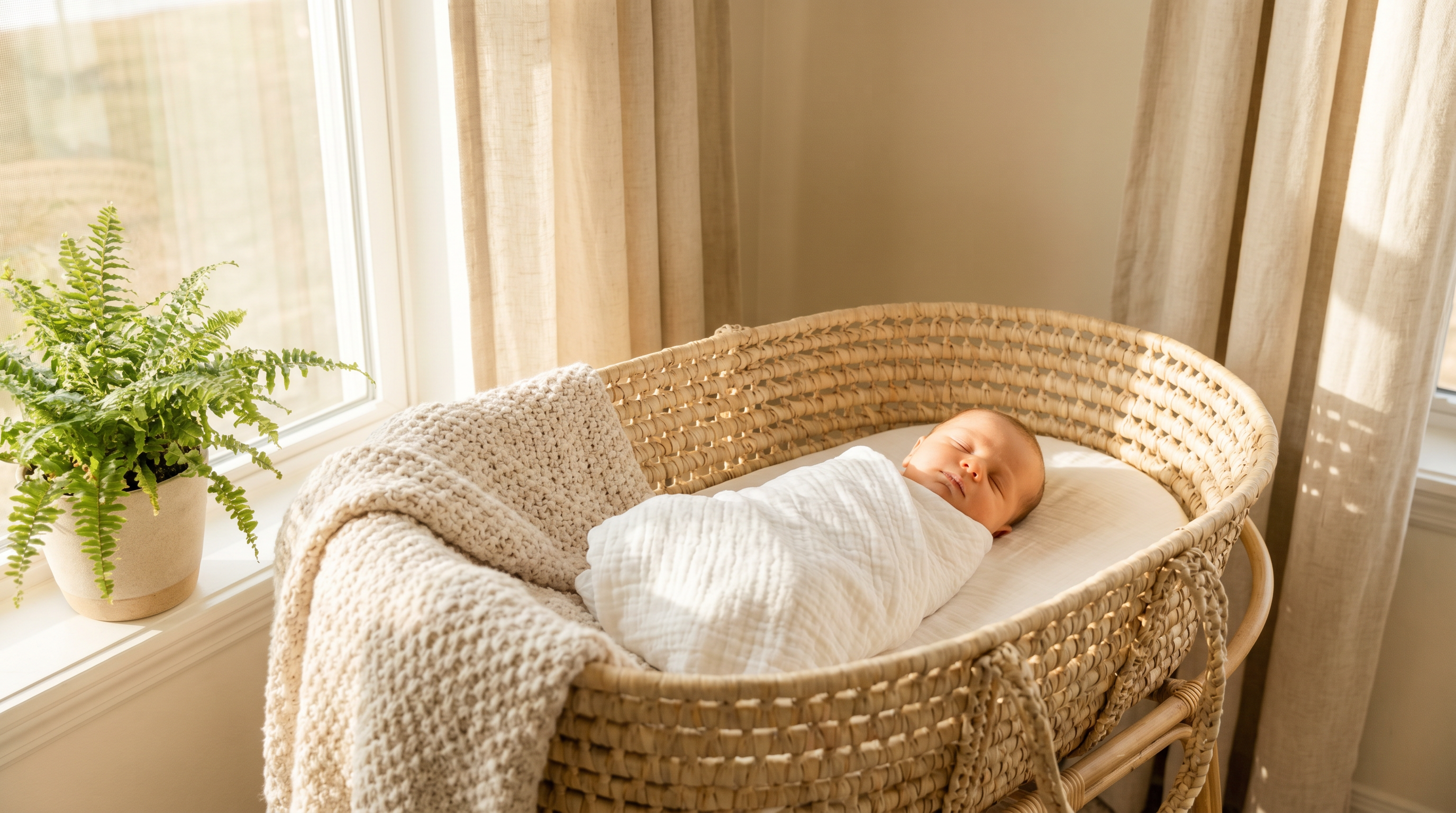
Your preemie has experienced a highly controlled environment, first in the womb and then in the NICU. Replicating that sense of security at home can profoundly impact their sleep quality. Aim for a space that is dark, quiet, and cozy. Utilize blackout curtains to minimize stimulating light and a white noise machine to replicate the consistent, soothing sounds they knew in the womb. Swaddling can also be immensely beneficial, providing a feeling of containment and security that preemies are accustomed to. The objective is to facilitate their gentle transition into the world, not to impose a rigid schedule. This responsive method aids in regulating their developing nervous system and builds a strong foundation of trust and safety.
A Gentle, Step-by-Step Approach to Preemie Sleep
Navigating sleep with a preemie is a journey requiring patience and responsiveness. Here are five actionable steps to cultivate a gentle and effective sleep routine for your little one:
- Honor Adjusted Age: When considering sleep expectations and developmental milestones, always refer to your baby’s adjusted age (their chronological age minus the weeks or months they were born early). This provides a more accurate and realistic framework for their progress.
- Establish a Consistent Bedtime Ritual: Even for the tiniest preemie, a simple, consistent bedtime routine can be remarkably effective. A warm bath, a tender massage, a peaceful feeding, and a soft lullaby can gently signal to your baby that it's time to prepare for sleep.
- Embrace "Le Pause": This gentle French technique emphasizes attunement, not abandonment. When your baby stirs or makes soft sounds at night, pause for a minute or two to observe. They might simply be transitioning between sleep cycles. By offering this brief moment, you empower them to self-soothe and naturally connect their sleep cycles. This is a practice of responsive listening, not cry-it-out.
- Ensure a Safe Sleep Environment: The American Academy of Pediatrics advises that all infants, including preemies, sleep on their backs on a firm, flat surface, free from loose bedding, pillows, or toys. Room-sharing, where your baby sleeps in your room but in their own separate sleep space, is also recommended for at least the first six months.
- Prioritize Nourishing Feedings: Given their smaller stomach capacity, preemies require frequent feedings. Concentrate on ensuring they receive full, satisfying feeds during daylight hours, which can contribute to longer stretches of sleep at night. A sleepy preemie may benefit from gentle encouragement to remain awake and complete their feeding.
Why Cry-It-Out is Not for Preemies: A Gentle Approach
The parent-child bond is sacred, and nighttime parenting is an essential part of nurturing that bond. For a premature baby, whose nervous system is still maturing, the need for a responsive caregiver is even more critical. Methods like "cry-it-out" or any form of extinction-based sleep training can be incredibly stressful for a preemie, flooding their developing brain with cortisol. As Dr. attachment science research’s work emphasizes, responsive parenting builds a secure attachment and a healthy nervous system. When you respond to your baby’s cues with warmth and empathy, you are teaching them that the world is a safe place and that you are their secure base. This is how to handle sleep for a premature or NICU baby at home in a way that honors their unique needs and protects your precious connection.
Key Takeaways for Gentle Preemie Sleep
- Align your expectations with your preemie's adjusted age.
- Cultivate a dark, quiet, womb-like sleep environment using white noise and swaddling.
- Utilize "Le Pause" to encourage independent sleep cycle transitions.
- Adhere strictly to safe sleep guidelines from the American Academy of Pediatrics.
- Responsive parenting is paramount for a preemie's developing brain; avoid cry-it-out methods.
Bringing your NICU baby home is a journey of love, patience, and attunement. By understanding their unique needs and responding with gentle, responsive care, you can lay the foundation for healthy sleep habits that will last a lifetime. Remember, you are doing an amazing job, and you are not alone. For more guidance on your gentle parenting journey, explore our free guide or browse our shop for additional resources.
 Newborn Sleep