Getting Baby Sleep Back on Track After Illness
When illness strikes, it can feel like all the progress you've made with your baby's sleep vanishes overnight. The sleepless nights, the constant comforting, the worry , it's exhausting for everyone. But take a deep breath, dear parent, because getting baby sleep back on track after illness is absolutely possible, and you can do it with the same gentle, responsive approach you've always embraced. We understand how challenging this period can be, and we're here to guide you through it with empathy and practical advice.
Understanding Why Illness Disrupts Baby Sleep
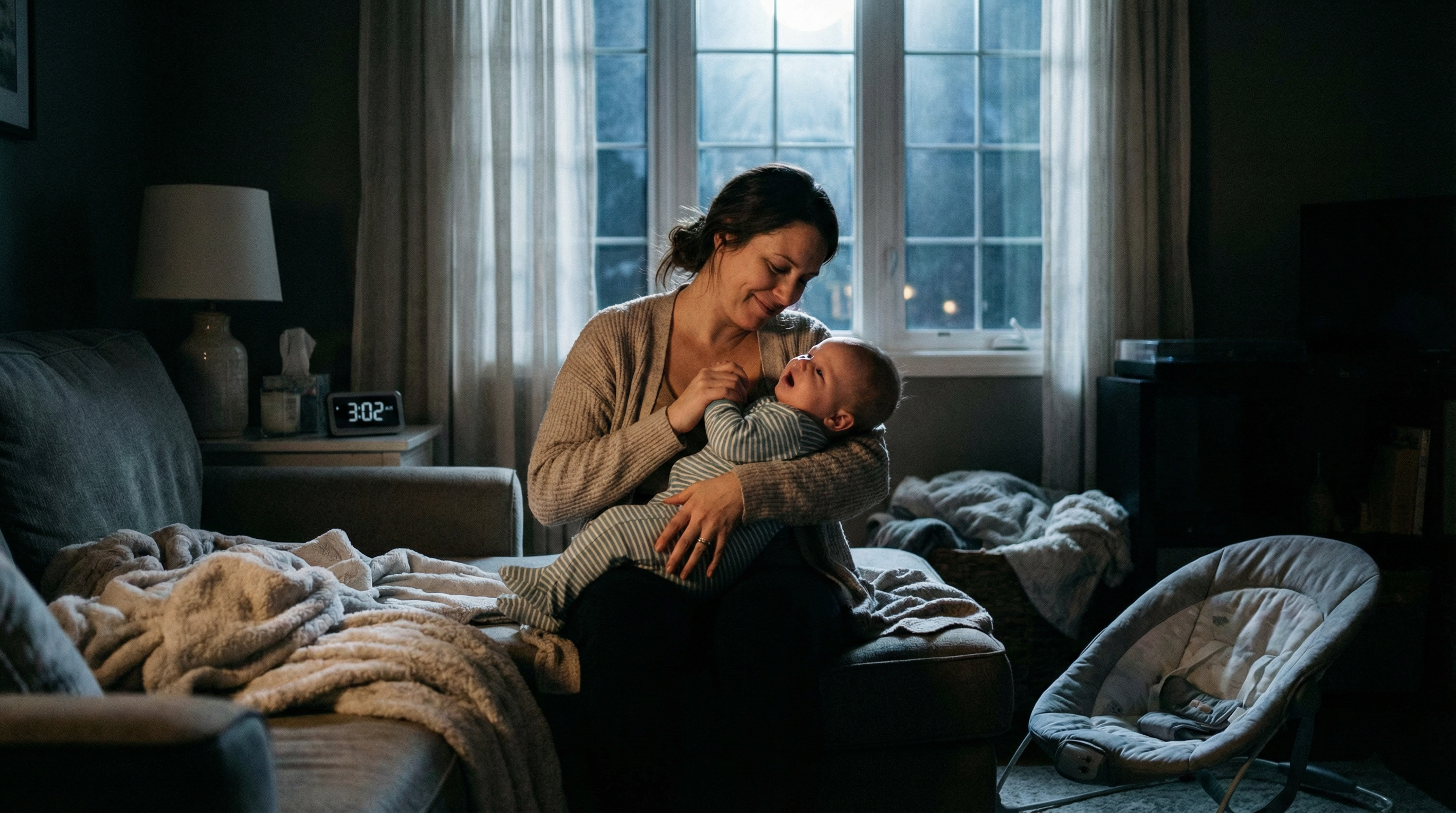
It's natural for a baby's sleep patterns to shift during and after an illness. Think about how you feel when you're sick , restless, uncomfortable, and needing extra care. Babies experience this even more intensely. Common reasons for illness disrupting baby sleep include:
- Physical Discomfort: A stuffy nose, cough, fever, or sore throat can make it hard for a baby to breathe comfortably, lie down, or simply relax into sleep.
- Increased Need for Comfort: When unwell, babies naturally seek more comfort and reassurance from their primary caregivers. This often translates to more frequent wake-ups, wanting to be held, or needing extra feeds.
- Disrupted Routines: Illness often means missed naps, later bedtimes, or a general deviation from the established daily rhythm. These changes, while necessary for care, can throw off a baby's internal clock.
- Developmental Leaps: Sometimes, an illness coincides with a developmental leap, making sleep even more challenging. It's a double whammy of discomfort and brain growth.
Remember, your baby isn't trying to manipulate you; they are genuinely needing you more during this vulnerable time. Responding to their needs builds a secure attachment and a healthy nervous system, as attachment science research emphasizes. Prolonged crying, especially when unwell, can elevate cortisol levels, which is not beneficial for a developing brain. Your presence and comfort are paramount.
The Gentle Path to Sleep Recovery
Our philosophy is rooted in a gentle, no-cry-it-out approach. We believe that nighttime parenting IS parenting, and the parent-child bond is sacred. This means we never recommend leaving a baby to cry alone, especially when they're recovering from illness. Instead, we focus on responsive strategies that honor your baby's needs while gradually guiding them back to their usual sleep patterns. Getting baby sleep back on track after illness requires patience and consistency, but it doesn't require harsh methods.
Re-establishing Routine and Comfort
The key to helping your baby recover their sleep after illness is a gradual, compassionate return to normalcy. This isn't about strict rules, but about creating a predictable, comforting environment that signals to your baby that it's safe to sleep again. Here's how to get back on track after illness disrupts baby sleep:
- Prioritize Healing First: While your baby is actively sick, focus entirely on their comfort and recovery. Offer extra cuddles, feeds, and respond immediately to their cries. Sleep "rules" can take a backseat. Once they are feeling better and their symptoms have significantly improved, you can begin to gently reintroduce routines.
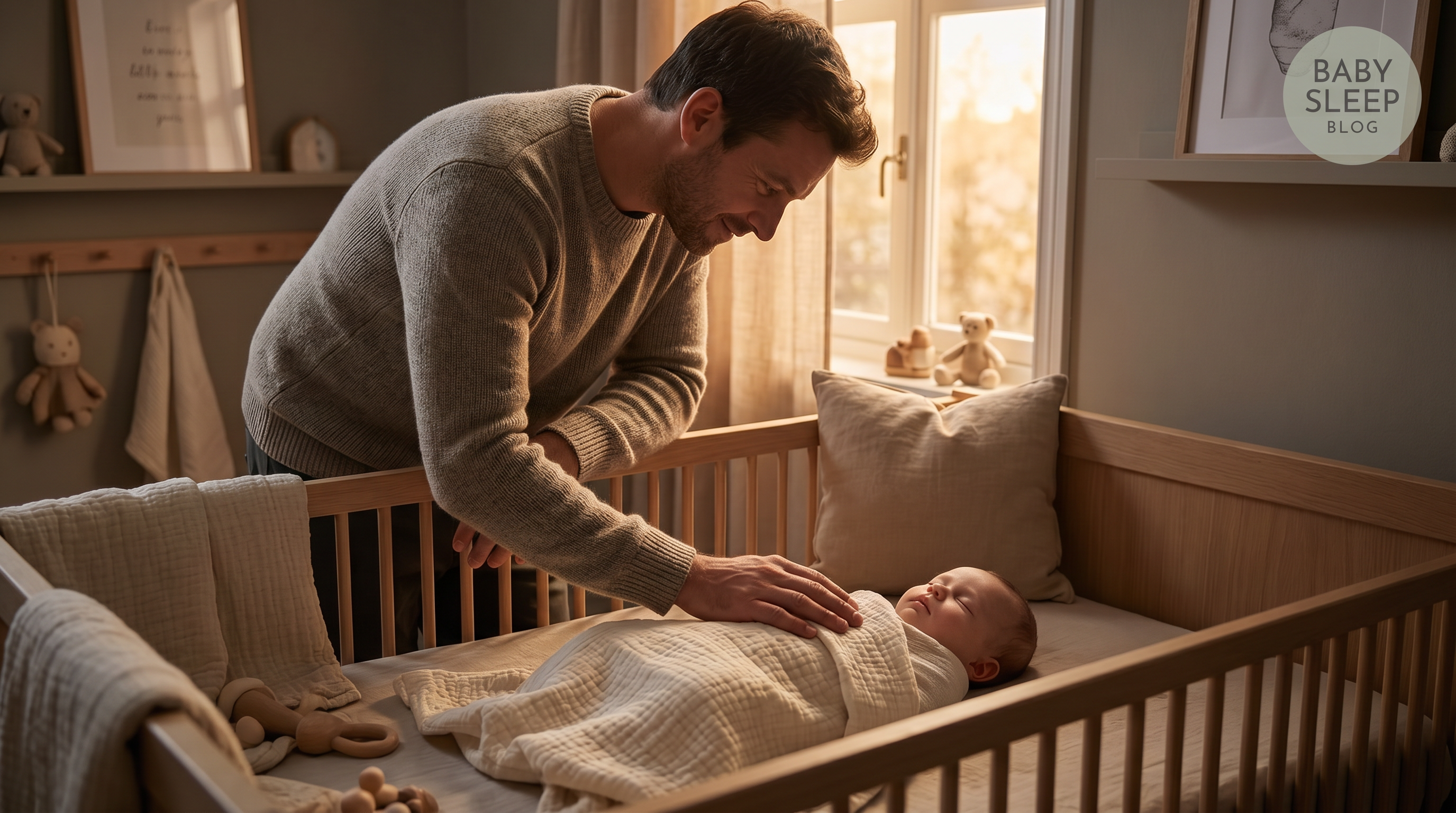
- Return to a Consistent Bedtime Routine: A predictable bedtime routine is a powerful sleep cue. Even if it's been disrupted, start bringing back those familiar steps: a warm bath, a gentle massage, quiet play, a story, or a lullaby. Do this at roughly the same time each evening to help regulate their internal clock.
- Observe "Le Pause" with Intention: As your baby starts to feel better, you might notice them stirring or making noises at night. This is where "Le Pause" comes in , a brief observation period of 1-3 minutes before responding. This isn't cry it out; it's attunement, not abandonment. It allows your baby a moment to potentially resettle themselves between sleep cycles. If they escalate, respond with comfort. This gentle space can be incredibly helpful for getting baby sleep back on track after illness.
- Optimize the Sleep Environment: Ensure their sleep space is dark, quiet, and at a comfortable temperature. A white noise machine can help mask household sounds and create a consistent sleep backdrop. If they were sleeping in your room during illness for closer monitoring, consider a gradual transition back to their own sleep space if that was your previous arrangement, always ensuring they feel secure.
- Gentle Nap Adjustments: Just like nighttime sleep, naps might have gone awry. Aim for age-appropriate nap lengths and timings. If your baby is overtired, it can make nighttime sleep harder. Offer naps in their usual sleep space when possible, and be present to help them settle.
Addressing Night Feeds and Comfort Nursing
It's common for babies to increase night feeds or comfort nursing during illness. As they recover, you can gently guide them back to their pre-illness feeding patterns. If your baby is older and was previously sleeping through the night or having fewer feeds, you can gradually reduce the duration or frequency of night feeds. Always consult with your pediatrician if you have concerns about your baby's feeding or weight gain.
Key Takeaways
- Patience is Paramount: Sleep recovery after illness is a process, not an event. Be kind to yourself and your baby.
- Gentle is Always Best: Avoid any cry-it-out methods. Responsive parenting builds secure attachment.
- Routine is Your Friend: A consistent bedtime routine and predictable days help re-establish sleep cues.
- "Le Pause" for Self-Settling: Briefly observe before responding to give your baby a chance to transition sleep cycles.
- Focus on Comfort: Ensure your baby's sleep environment is optimal and they feel safe and loved.
Conclusion
Navigating illness with a baby is tough, and the sleep disruptions that follow can add another layer of exhaustion. But remember, you are doing an incredible job, and your baby thrives on your loving presence. By gently and consistently re-establishing routines, offering responsive comfort, and trusting your instincts, you can help your little one, and yourself, get back to peaceful nights. Getting baby sleep back on track after illness is a journey, and we're here to support you every step of the way. For more gentle sleep guidance and resources, explore our free guide or visit our shop for supportive products.
 Sleep Regressions