Nap Schedule for a 5-Month-Old Baby: Sample Routines and Tips
Becoming a parent brings many questions, especially about sleep. If you’re navigating a 5-month-old’s world, you’re likely wondering about the best nap schedule. This period is a beautiful transition, bringing new sleep patterns and challenges. We offer gentle, supportive advice that honors your baby’s unique needs and your sacred parent-child bond.
🌙A gentle note: Every family is different, and we believe you know your baby best. The information in this article is for educational purposes and reflects current safe sleep guidance. When trying anything new, trust your instincts and check in with your pediatrician if you have questions. You are doing a wonderful job.
At SleepingBabyGuide.com, we believe in responsive parenting, a philosophy championed by attachment science research. He emphasizes that secure attachment and a healthy nervous system are built through intentional, loving responses. We never suggest leaving your baby to cry alone, understanding the profound impact prolonged crying has on developing brains. Instead, we explore flexible, evidence-based approaches to help your 5-month-old establish a healthy nap schedule, prioritizing attunement over abandonment.
Understanding Your 5-Month-Old’s Sleep Needs
Around five months, babies typically need 12-15 hours of sleep within a 24-hour period, with 3-4 hours from naps. Most 5-month-olds thrive on a 2-3 nap schedule. Adequate sleep supports their rapidly growing brains and bodies. Sleep regressions can appear, but a gentle approach helps navigate these phases with confidence.
Wake Windows and Sleep Cues: Understanding wake windows is key to a successful nap schedule for a 5-month-old baby. At this age, wake windows are generally 2-2.5 hours. Observing your baby’s sleep cues, such as yawning, eye rubbing, or fussiness, is equally important. Responding promptly to these cues prevents overtiredness, which makes falling asleep harder.
Sample Nap Schedule for a 5-Month-Old Baby
Creating a nap schedule for a 5-month-old baby doesn’t mean rigid adherence. Think of it as a flexible framework adapting to your baby’s rhythms. Here are sample routines, keeping in mind they are guides, not strict rules. Your baby’s hunger cues, mood, and previous night’s sleep will always play a role in adjusting the day.
Two-Nap Schedule Example
Some 5-month-olds are ready for a two-nap schedule, especially if naps are longer and more consistent. This often looks like:
- Morning Nap: Approximately 1.5-2 hours after waking for the day. This nap might be the longest, lasting 1.5-2 hours.
- Afternoon Nap: Approximately 2-2.5 hours after waking from the morning nap. This nap might be shorter, around 1-1.5 hours.
- *Late Afternoon/Early Evening Cat Nap: If needed, a short 30-45 minute nap to bridge the gap until bedtime, preventing overtiredness.
Three-Nap Schedule Example
Many 5-month-olds still thrive on a three-nap schedule, especially if naps are shorter. This is perfectly normal and often looks like:
- Morning Nap: Approximately 1.5-2 hours after waking for the day. This nap might be 1-1.5 hours.
- Midday Nap: Approximately 2-2.5 hours after waking from the morning nap. This nap might also be 1-1.5 hours.
- Late Afternoon Nap: Approximately 2-2.5 hours after waking from the midday nap. This nap is often shorter, around 30-45 minutes, and is crucial for preventing overtiredness before bedtime.
Remember, these are guides. Observe your baby and adjust as needed; the goal is a well-rested baby and a peaceful home, not a rigid schedule.
Gentle Tips for a Successful Nap Schedule for a 5-Month-Old Baby
Creating a supportive environment for naps is as important as the schedule. Our approach is always gentle, focusing on attunement and connection. Here are actionable tips to establish a healthy nap schedule for a 5-month-old baby without cry-it-out methods.
1. Establish a Consistent Naptime Routine
A short, calming naptime routine, like a bedtime routine, signals to your baby that it’s time to wind down. This could include:
- Dimming the lights
- Changing their diaper
- Reading a short book or singing a lullaby
- A gentle cuddle
Consistency helps your baby anticipate sleep, making transitions smoother and more peaceful. This responsive approach builds trust and security, aligning with attachment science research’s framework.
2. Create an Optimal Sleep Environment
Your baby’s sleep space is crucial for good naps. Consider these:
- Darkness: A dark room promotes melatonin production, the sleep hormone. Blackout curtains help.
- Cool Temperature: A room temperature of 68-72°F (20-22°C) is ideal.
- White Noise: A white noise machine blocks household sounds, creating a soothing background.
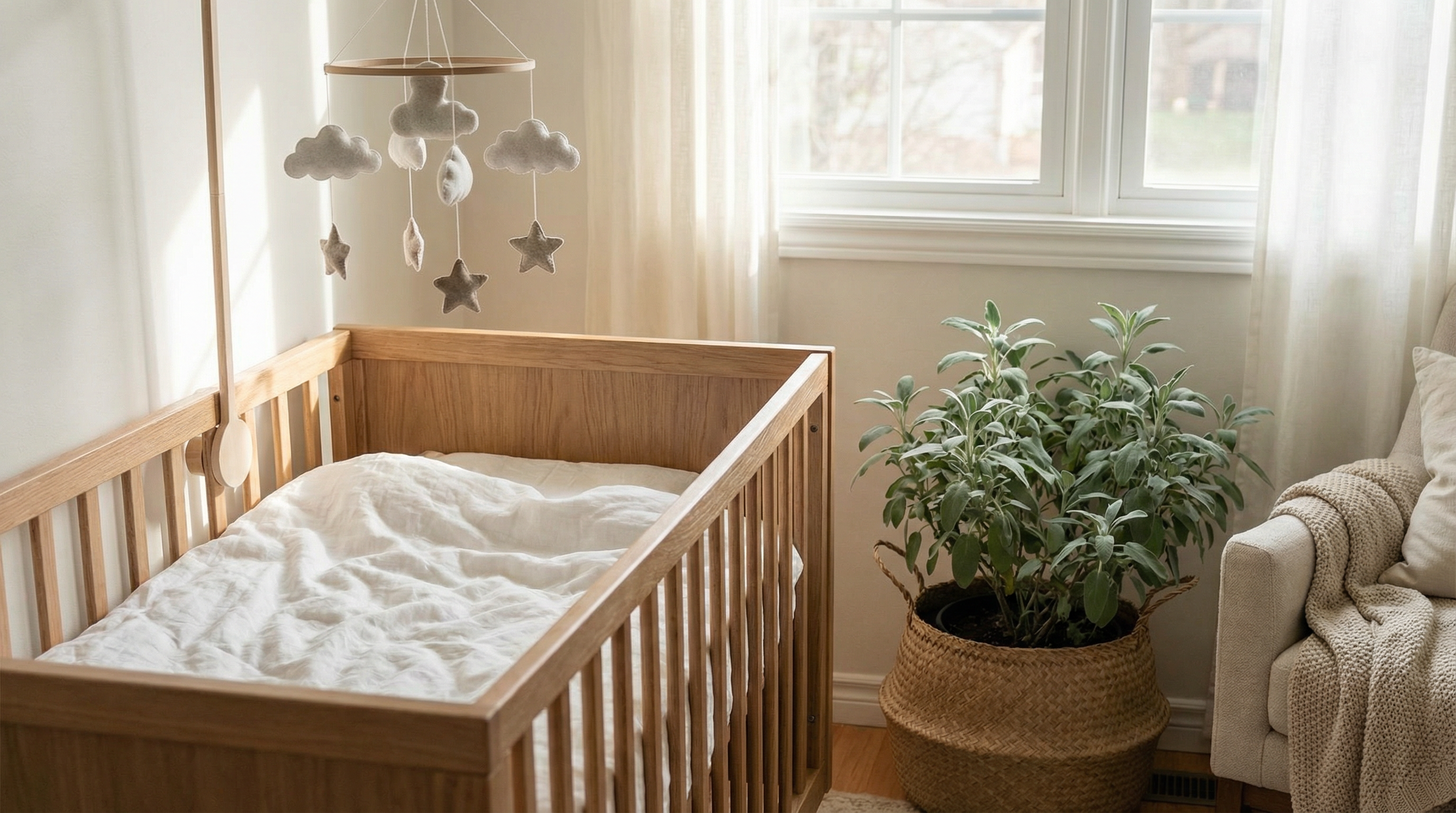
- Safety: Always place your baby on their back to sleep in a safe crib or bassinet, free of loose blankets, bumpers, or toys.
3. Practice
“Le Pause” , Attunement, Not Abandonment
Sometimes, your baby might stir or make noises during their nap. Our brand philosophy embraces “Le Pause,” a gentle French technique. Briefly observe your baby for 1-3 minutes before responding. This isn’t cry it out; it’s giving them a moment to naturally transition between sleep cycles. Babies often resettle themselves. If fussing continues, respond with love and reassurance. This mindful observation fosters independence while strengthening the parent-child bond.
4. Respond to Sleep Cues Promptly
Recognizing and responding to your baby’s sleep cues is paramount. Missing these cues can lead to an overtired baby, making sleep harder. Look for:
- Yawning
- Rubbing eyes
- Becoming quiet and still
- Loss of interest in toys or people
- Fussiness or crying (a late cue)
When you see these signs, begin your naptime routine. This proactive approach respects your baby’s biological need for sleep and prevents the stress of an overtired little one.
5. Be Flexible and Patient
Baby sleep patterns change due to growth spurts, developmental leaps, or illness. What works one week might need adjusting the next. Approach your nap schedule for a 5-month-old baby with flexibility and patience. On days with short or resisted naps, offer extra cuddles and a calm presence. Your warm, non-judgmental approach is what your baby needs.
Step-by-Step Guide to Nurturing Naps
Here’s a practical, step-by-step guide to implementing a gentle nap routine:
- Observe Wake Windows: Track your baby’s wake windows. For a 5-month-old, aim for 2-2.5 hours. Note when they show sleep cues.
- Initiate Naptime Routine: 10-15 minutes before the end of the wake window, begin your calming naptime routine (dim lights, lullaby, cuddle).
- Create the Sleep Environment: Ensure the room is dark, cool, and quiet (with white noise, if used).
- Lay Baby Down Drowsy, But Awake: Place your baby in their crib drowsy but awake. This helps them learn to fall asleep independently.
- Practice “Le Pause”: If your baby fusses or stirs after being put down or during the nap, observe for 1-3 minutes. If they resettle, great! If not, respond gently.
- Respond with Intention: If your baby continues to cry, go to them. Offer comfort, a gentle pat, or a soothing word. Avoid immediately picking them up if possible, but always respond to their distress. Your presence is key.
- Adjust as Needed: If naps are consistently short or difficult, re-evaluate wake windows, sleep environment, or routine. Adjustments are normal.
Key Takeaways
- Gentle Approach: Always prioritize responsive parenting and avoid cry-it-out methods.
- Observe Cues: Pay close attention to your baby’s sleep cues and wake windows (2-2.5 hours).
- Consistent Routine: Establish a short, calming naptime routine.
- Optimal Environment: Ensure a dark, cool, and quiet sleep space.
- “Le Pause”: Practice brief observation (1-3 minutes) to allow for self-settling, responding if needed.
- Flexibility: Be patient and flexible, as baby sleep patterns evolve.
Conclusion
Navigating your 5-month-old’s nap schedule can feel like a puzzle, but a gentle, responsive approach creates a peaceful rhythm supporting your baby’s development and strengthening your bond. Remember, you are your baby’s expert, and your loving presence is your most powerful tool. Trust your instincts, be kind to yourself, and know your efforts to nurture your little one’s sleep are a testament to your incredible parenting. For more gentle sleep guidance, explore our free guide or visit our shop for supportive sleep aids.
 Naps
Naps