Dropping the Nap: Gentle Signs Your 2-3 Year-Old Is Ready and What to Do Next
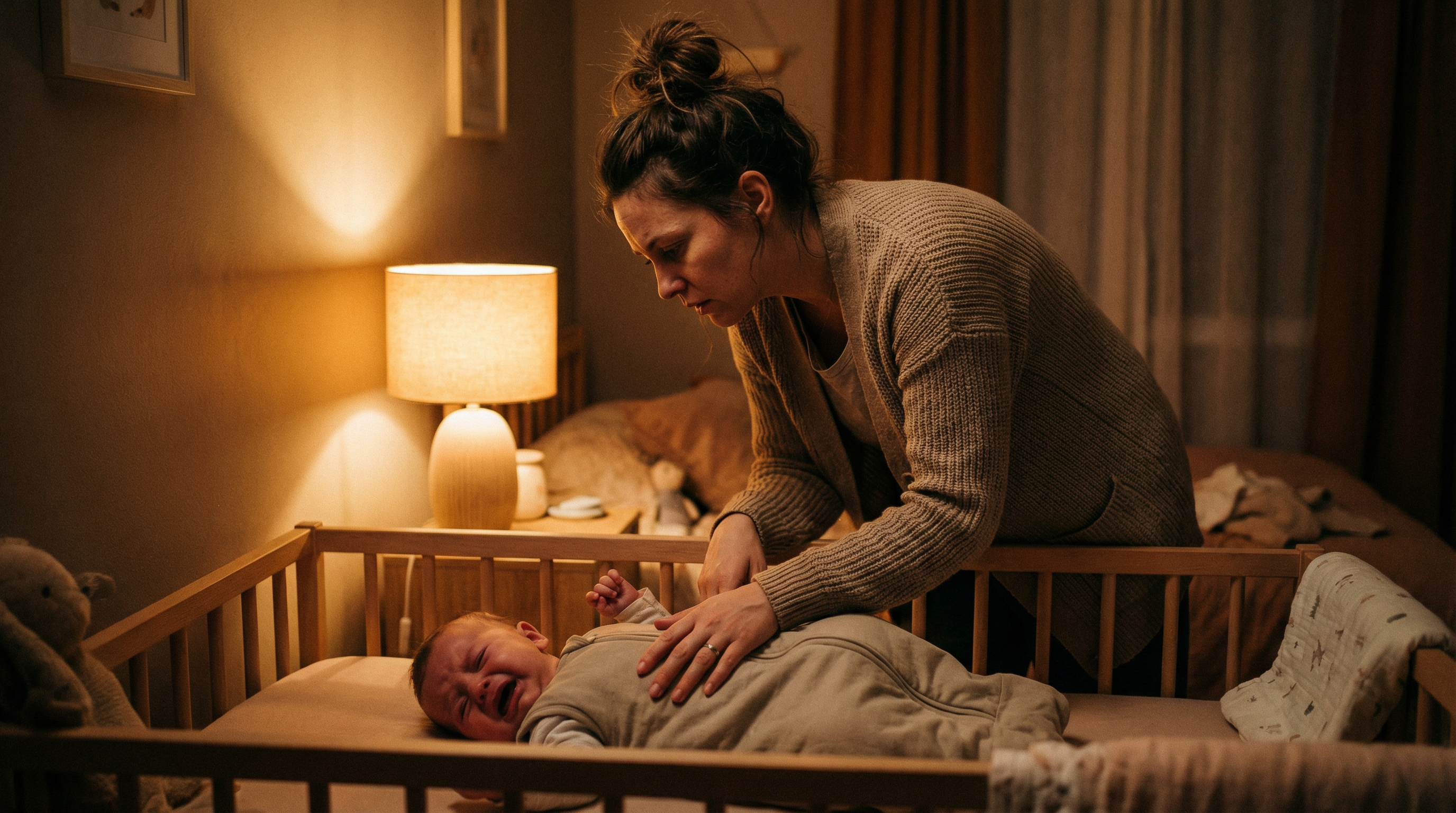
As a parent of a 2-3 year-old, you're likely in the thick of it: navigating big emotions, newfound independence, and ever-shifting sleep needs. One day, your little one is napping like a champ, and the next, they're staging a full-blown protest in their crib. It's a common scenario that leaves many parents wondering, "Is it time to drop the nap?" This transition can feel daunting, but with a gentle, responsive approach, you can navigate it smoothly, ensuring both you and your child continue to get the rest you need.
Why This Happens
The shift away from napping in toddlers is a natural developmental milestone, not a sign that you've done anything "wrong." Around 2 to 3 years of age, a child's sleep architecture matures significantly. Their need for daytime sleep decreases as their nocturnal sleep becomes more consolidated and efficient. Biologically, their circadian rhythm, the internal clock that regulates sleep and wakefulness, is becoming more robust, allowing for longer stretches of wakefulness during the day. Additionally, their sleep drive, the homeostatic pressure that builds up the longer they are awake, takes longer to accumulate to a point where a nap is necessary. This means they can stay awake for longer periods without becoming overtired. Cognitively, toddlers are also experiencing an explosion of learning and development. Their brains are constantly processing new information, and the world is simply too exciting to miss out on, even for a nap. This increased cognitive engagement can make it harder for them to settle down for daytime sleep, especially if they are not truly tired.
What Most Parents Try First (And Why It Doesn't Stick)
When faced with nap resistance, many parents instinctively try a few common approaches, often with frustrating results. One frequent strategy is to simply force the nap, insisting the child lie down in their crib or bed, even if they're wide awake and protesting. While this might occasionally lead to a reluctant nap, it often creates a power struggle, associating naptime with negativity and stress for both parent and child. This can escalate into prolonged crying, which goes against our gentle parenting philosophy. Another common tactic is to shorten the nap, hoping that a brief rest will be enough to tide them over without interfering with nighttime sleep. However, for a child who is truly ready to drop the nap, even a short nap can significantly reduce their sleep drive, making bedtime a battleground. Some parents also try to eliminate the nap abruptly, going cold turkey. While this might seem like a quick fix, it often leads to an overtired toddler by late afternoon, resulting in meltdowns, increased fussiness, and a challenging evening routine. Overtiredness can also paradoxically make it harder for children to fall asleep at night and can lead to more frequent night wakings. These approaches often don't stick because they fail to address the underlying developmental changes in the child's sleep needs and can create more stress than they alleviate.
The Gentle Night Method Approach
The Gentle Night Method offers a compassionate and effective framework for navigating the nap transition. It's all about observing your child, understanding their cues, and making gradual adjustments that honor their developmental stage. Instead of forcing a nap, we focus on creating a "quiet time" routine. This means maintaining the structure of the nap, but shifting the expectation from sleep to rest and independent play. Here's how it works:
- Observe and Identify the Signs: Before making any changes, spend a week or two observing your child's nap patterns. Are they consistently resisting the nap? Are they taking a long time to fall asleep, or waking up after a very short nap feeling refreshed and energetic, rather than groggy? Are they sleeping well at night, even with a nap? These are key indicators that their nap needs are changing.
- Introduce "Quiet Time": If your child is showing signs of readiness, replace the nap with a dedicated "quiet time." This should happen at the same time and in the same place as their usual nap. The expectation is not that they sleep, but that they engage in calm, independent activities. Provide a selection of books, puzzles, quiet toys, or drawing materials. The room should still be darkened and quiet, signaling a period of rest. This allows them to decompress and recharge without the pressure of sleeping.
- Gradual Transition: Don't eliminate the nap entirely overnight. If your child is still occasionally napping, allow it. On days they don't nap, be prepared for an earlier bedtime to prevent overtiredness. This gradual approach helps their body adjust to the new rhythm.
- Prioritize Night Sleep: As daytime sleep decreases, the importance of consolidated nighttime sleep increases. Ensure your child has a consistent, calming bedtime routine and an optimal sleep environment. This will help them get the restorative sleep they need.
- Flexibility is Key: Some days your child might still need a nap, especially if they've had a particularly active morning or a restless night. Be flexible and responsive to their individual needs. A quiet car ride or stroller walk can sometimes offer a restorative catnap if needed.
Ready to take action?
The complete step-by-step plan is in your age-specific guide
This article covers the science and principles. The full Gentle Night Method guide gives you the exact night-by-night plan, sample schedules, troubleshooting scripts, and what to do when things do not go as expected.
Find my guide →
 Toddler Sleep