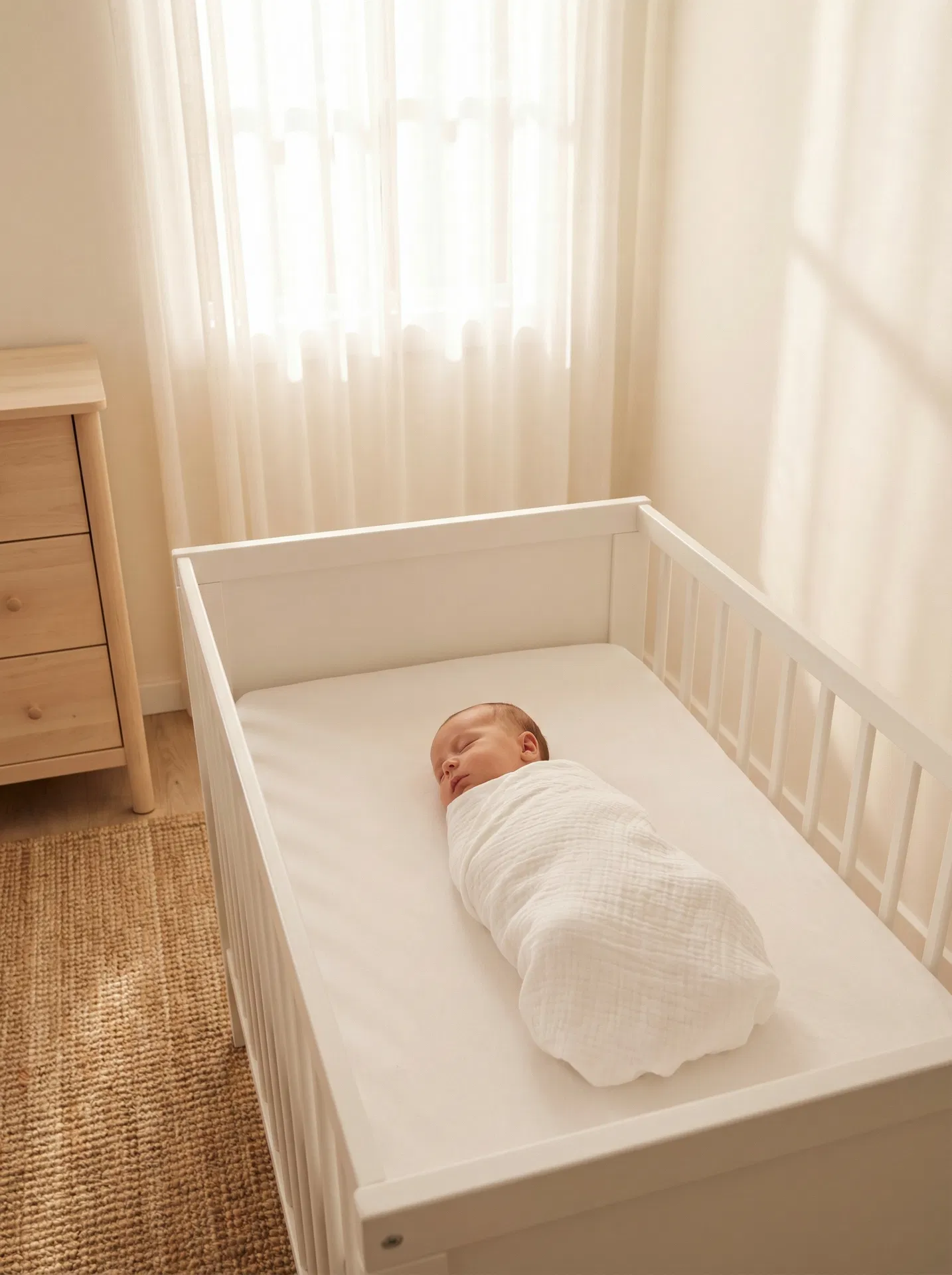
How to Use a Nightlight Effectively for Toddler Sleep
As parents, we all want our little ones to sleep soundly through the night. When your toddler starts expressing fears of the dark, a nightlight can seem like a simple solution. But using a nightlight effectively for toddler sleep is more nuanced than just plugging one in. It's about creating a secure, comforting sleep environment that supports their natural sleep rhythms, without disrupting them. We believe in a gentle, responsive approach to parenting, especially when it comes to sleep. This isn't about leaving your child to cry it out, but rather attuning to their needs with intention and empathy.
Understanding Toddler Sleep and Light
Toddlers are developing rapidly, and their sleep patterns are evolving too. Fears of the dark are a normal part of this development, often stemming from their growing imagination and understanding of the world. While a nightlight can offer comfort, it's crucial to understand how light impacts sleep. Our bodies, including those of our little ones, are wired to respond to light and darkness. Melatonin, the sleep hormone, is suppressed by light, particularly blue light. This means that the wrong kind of nightlight, or one that's too bright, can actually hinder sleep rather than help it.
The Science Behind Light and Sleep
Research consistently shows that exposure to light, especially short-wavelength blue light, before or during sleep can disrupt melatonin production and shift circadian rhythms. For toddlers, whose sleep is so vital for their growth and development, this disruption can lead to difficulties falling asleep, more night wakings, and overall poorer sleep quality. Our approach is always evidence-based, but presented accessibly, so you can make informed choices for your family.
Choosing the Right Nightlight for Toddler Sleep
Selecting the perfect nightlight involves more than just aesthetics. It's about finding one that provides just enough comfort without interfering with sleep. Think of it as a gentle beacon, not a spotlight. The goal is to ease fears, not illuminate the entire room.
Key Features to Look For
- Warm-toned light: Opt for nightlights that emit red, amber, or orange light. These colors have longer wavelengths and are less likely to suppress melatonin production compared to blue or white light.
- Dimmable settings: A nightlight with adjustable brightness allows you to find the perfect level of illumination. Start with the lowest setting and increase only if necessary.
- Minimal light output: The nightlight should be just bright enough for your toddler to see their immediate surroundings and feel secure, but not so bright that it casts shadows or fully lights the room.
- Placement: Position the nightlight strategically. It should be out of your toddler's direct line of sight from their bed and ideally low to the ground, perhaps near a doorway or in a corner.
- Timer or auto shut-off: Some nightlights come with timers, which can be useful if your toddler only needs comfort during the initial falling asleep period. However, for fears that persist through the night, a continuous, very dim light might be more reassuring.
How to Introduce and Use a Nightlight Effectively
Introducing a nightlight should be a thoughtful process, integrated into your existing gentle bedtime routine. Remember, nighttime parenting is parenting, and every step is an opportunity to strengthen the parent-child bond. This isn't about quick fixes, but about responsive, intentional care.
Step-by-Step Guide to Nightlight Integration
Here's a practical, step-by-step guide to using a nightlight to support your toddler's sleep:
- Choose wisely: Select a nightlight with warm, dimmable light, as discussed above. Involve your toddler in the selection process if appropriate, making it a positive experience.
- Introduce gradually: Place the nightlight in their room during the day, allowing them to get used to its presence. Talk about it positively, explaining it's there to help them feel safe and cozy.
- Integrate into bedtime routine: Turn on the nightlight as part of your established gentle bedtime routine. This signals to your toddler that sleep is approaching and the nightlight is a comforting part of that transition.
- Observe and adjust: Pay attention to how your toddler responds. Are they falling asleep easily? Are they waking less frequently? If the light seems too bright or disruptive, dim it further or reposition it. This is where attunement, not abandonment, comes into play. You are responding with intention, not anxiety.
- Maintain consistency: Once you find a setting that works, stick with it. Consistency is key for toddlers to feel secure and understand expectations around sleep.
- Address fears directly: While the nightlight provides comfort, it's also important to talk to your toddler about their fears. Acknowledge their feelings without dismissing them. Reassure them that they are safe and loved. This builds secure attachment and a healthy nervous system, as attachment science research emphasizes.
When to Reconsider Nightlight Use
While nightlights can be beneficial, there are times when their use might need to be re-evaluated. If your toddler is consistently struggling to fall asleep, waking frequently, or seems overstimulated, the nightlight could be a contributing factor. Remember, the parent-child bond is sacred, and nighttime parenting is parenting. This means being flexible and responsive to your child's changing needs.
Signs the Nightlight Might Be an Issue
- Difficulty falling asleep: If your toddler is taking a long time to settle down after lights out, even with the nightlight on, it might be too bright or stimulating.
- Frequent night wakings: Waking up and being fully alert in the middle of the night could indicate that the light is disrupting their natural sleep cycles.
- Increased anxiety: Paradoxically, for some children, a nightlight can cast strange shadows or create new anxieties. Observe your child's behavior carefully.
- Reliance: If your toddler becomes overly reliant on the nightlight and cannot sleep without it, even in well-lit environments, it might be time to gradually reduce its use.
Gentle Strategies for Phasing Out a Nightlight
If you decide to reduce or remove the nightlight, do so gently and gradually. This aligns with our gentle, no-cry-it-out approach. We never recommend leaving a baby to cry alone, and this extends to toddlers and their sleep transitions.
A Gradual Approach to Nightlight Transition
- Dim it down: If your nightlight is dimmable, gradually reduce the brightness over several nights or weeks. Make it almost imperceptible.
- Move it further away: Slowly move the nightlight further from the bed, perhaps to a corner of the room or just outside the door.
- Use a timer: If your nightlight has a timer, set it to turn off after your toddler has fallen asleep, gradually reducing the duration.
- Offer alternatives: Introduce other comfort objects, like a special blanket or stuffed animal, that can provide security without light.
- Talk about it: Explain to your toddler what you are doing and why. Reassure them that you are there for them and that they are safe. This open communication reinforces the parent-child bond.
Key Takeaways
- Choose warm-toned, dimmable nightlights to avoid disrupting melatonin production.
- Position the nightlight out of direct sight and at a low level.
- Integrate the nightlight into a consistent, gentle bedtime routine.
- Observe your toddler's response and adjust the nightlight's brightness or placement as needed.
- Address fears of the dark directly through conversation and reassurance.
- Consider phasing out the nightlight gradually if it seems to be hindering sleep.
Creating a Holistic Sleep Environment
Beyond the nightlight, remember that a holistic approach to your toddler's sleep environment is crucial. This includes a consistent bedtime routine, a dark and cool room (when the nightlight is off or very dim), and a calm pre-sleep period. Our philosophy emphasizes responsive parenting, which builds secure attachment and a healthy nervous system. Every interaction, even around sleep, contributes to this bond. Parents are doing their best, and we are here to support you with evidence-based, accessible advice.
In conclusion, using a nightlight effectively for toddler sleep is about balance: providing comfort without disrupting biology. By choosing the right nightlight, introducing it thoughtfully, and being responsive to your child's needs, you can create a peaceful sleep environment that nurtures their development and strengthens your precious bond. For more gentle sleep guidance and resources, explore our free guide or visit our shop for curated sleep aids. Sweet dreams, little ones!
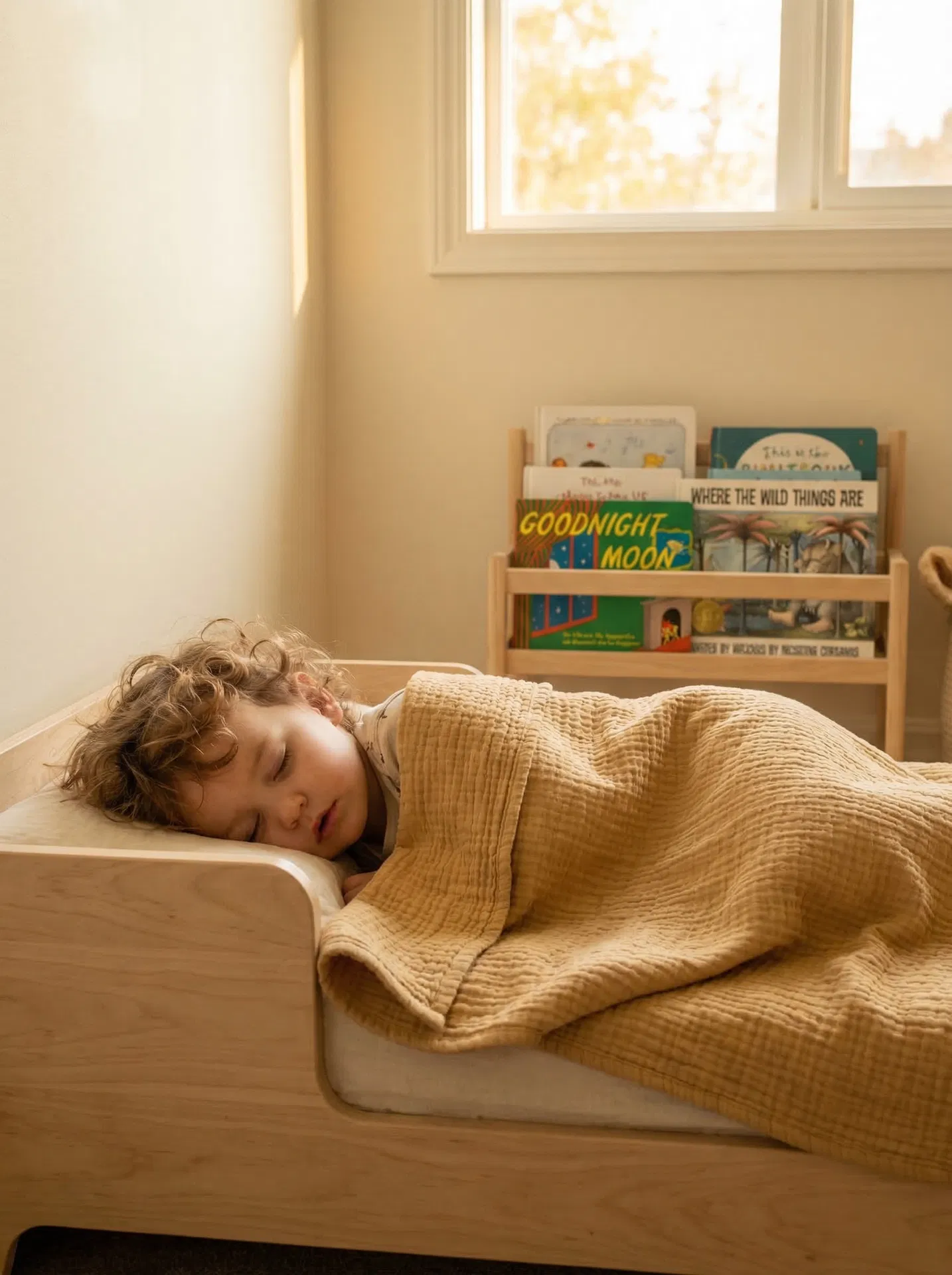 Toddler Sleep