Le Pause: Understanding the French Approach to Baby Sleep
Becoming a parent ushers in a world of profound love, joy, and, often, a significant amount of sleep deprivation. In the quest for peaceful nights, many parents encounter various sleep training methods, some of which advocate for approaches that can feel counterintuitive to their nurturing instincts. However, there's a gentle, responsive philosophy gaining traction, often referred to as Le Pause, a French baby sleep technique that stands in stark contrast to the "cry it out" method. This approach encourages attunement and observation, fostering a secure attachment while guiding your little one towards more independent sleep.
What is Le Pause and Why is it Not "Cry It Out"?
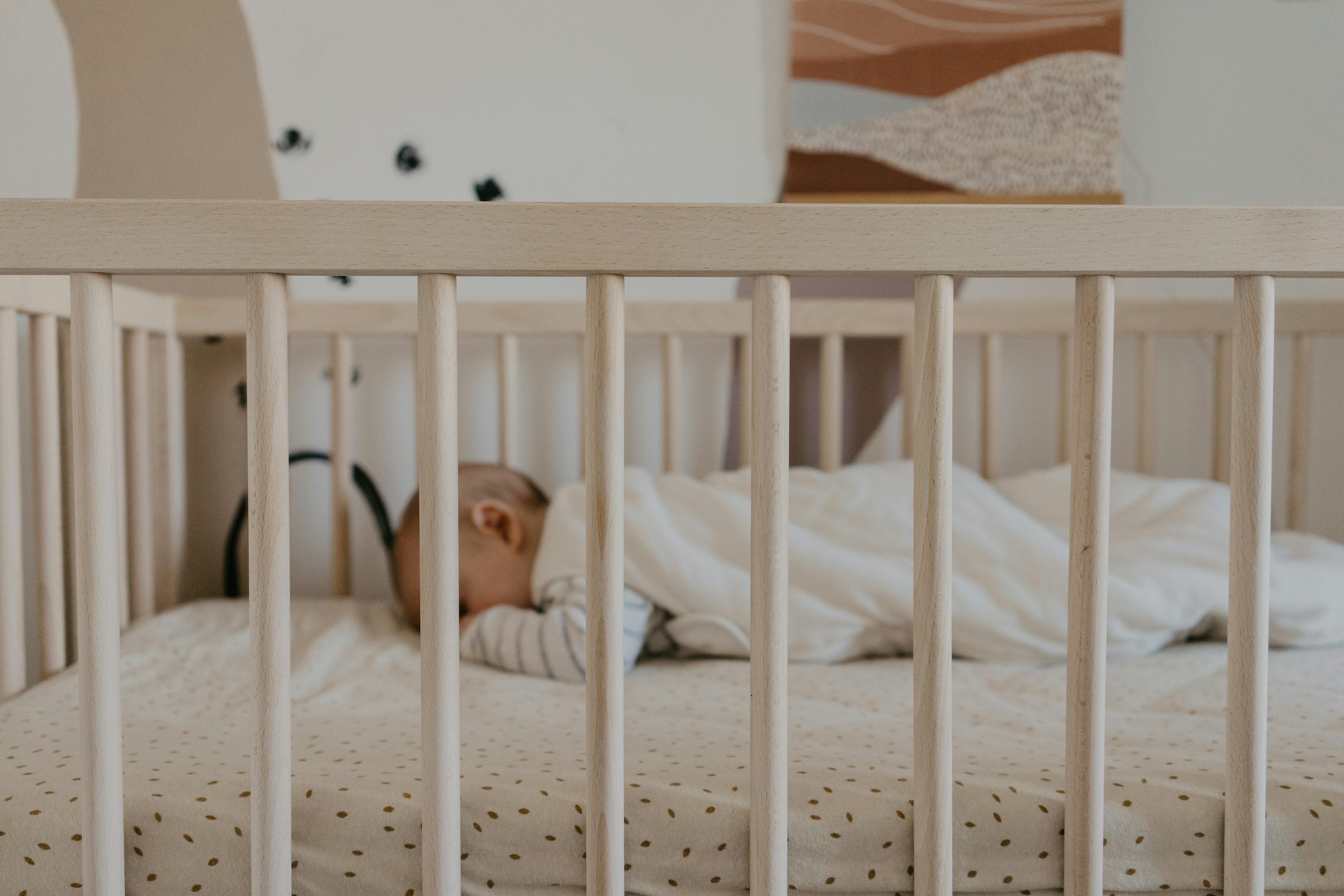
At its heart, Le Pause is about mindful observation before intervention. Imagine your baby stirring or making soft sounds in their sleep. Instead of immediately rushing in, the French parenting philosophy suggests a brief pause, typically 1 to 3 minutes, to observe your baby. This isn't about abandonment; it's about giving your baby the opportunity to self-settle and transition between sleep cycles naturally. It’s a subtle yet powerful distinction from "cry it out," which often involves leaving a baby to cry for extended periods without comfort. Our philosophy at SleepingBabyGuide.com firmly believes in a no-cry-it-out approach, recognizing that prolonged crying can be detrimental to a baby's developing nervous system.
The Science Behind Responsive Parenting and Secure Attachment
Renowned physician and author attachment science research emphasizes the critical role of responsive parenting in building secure attachment and a healthy nervous system. When babies experience prolonged periods of distress, their bodies release cortisol, a stress hormone that, in excess, can negatively impact brain development. Le Pause aligns with this understanding by promoting intentional responses rather than anxious reactions. It teaches parents to differentiate between a baby who needs immediate comfort and one who is simply cycling through sleep stages. This attunement strengthens the parent-child bond, reassuring the baby that their needs will be met, but also empowering them to develop self-soothing skills within a secure framework.
How to Gently Implement Le Pause in Your Nighttime Routine
Implementing Le Pause requires patience, observation, and a deep trust in your baby's innate abilities. It's a gradual process of learning your baby's cues and understanding their unique sleep patterns. Remember, this is about responding with intention, not anxiety, and always prioritizing your baby's emotional well-being.
Step-by-Step Guide to Practicing Le Pause
Here’s a practical, step-by-step guide to gently introduce Le Pause into your family's sleep rhythm:
- Create a Calming Bedtime Routine: A consistent, soothing bedtime routine signals to your baby that it's time to wind down. This might include a warm bath, a gentle massage, reading a story, or singing a lullaby. The predictability provides comfort and security.
- Place Baby Down Drowsy, But Awake: This is a cornerstone of independent sleep. Lay your baby in their crib when they are sleepy but not yet fully asleep. This allows them to practice falling asleep in their own sleep space.
- Observe and Listen (The Pause): When your baby stirs or makes sounds during the night, resist the immediate urge to intervene. Take a deep breath and observe for 1 to 3 minutes. Are they truly distressed, or are they simply shifting, grunting, or making light noises as they transition between sleep cycles? You might be surprised how often they resettle themselves.
- Respond with Intention: If, after your brief observation, your baby escalates to crying or clearly needs you, respond promptly and lovingly. This might mean a gentle pat, a reassuring whisper, or picking them up for a feed or cuddle. The key is to meet their needs without over-stimulating them.
- Adjust the Pause as Needed: Every baby is different. Some might need a slightly longer pause, while others might need a quicker response. Learn your baby's individual temperament and adjust your observation time accordingly. The goal is attunement, not rigid adherence to a timer.
- Maintain a Consistent Sleep Environment: A dark, quiet, and cool room can significantly aid in promoting restful sleep. Consider a white noise machine to block out sudden disturbances.
Distinguishing Le Pause from Extinction Methods
It is crucial to reiterate that Le Pause is fundamentally different from "cry it out" (CIO) or other extinction-based methods like cry-it-out. These methods often involve leaving a baby to cry for predetermined, escalating periods, with the intention of teaching them to self-soothe through a lack of parental response. This can lead to feelings of abandonment and can be deeply distressing for both baby and parent. Our approach at SleepingBabyGuide.com explicitly rejects these methods, as they contradict our core belief in responsive parenting and the importance of a secure attachment.
Le Pause is about empowering parents to become keen observers of their baby's unique communication, fostering a sense of confidence in their ability to differentiate between genuine need and normal sleep sounds. It's a practice rooted in respect for the baby's developing autonomy within the safety net of loving parental presence.
The Parent-Child Bond: Nighttime Parenting IS Parenting
We believe the parent-child bond is sacred, and this extends to nighttime parenting. The idea that parents should simply "put their baby down and walk away" goes against the very essence of responsive care. Nighttime waking is a normal and healthy part of infancy, and responding to those needs, whether for comfort, feeding, or reassurance, is an integral part of parenting. Le Pause allows for this responsiveness while gently encouraging self-settling, creating a harmonious balance between meeting needs and fostering independence.
Key Takeaways
- Le Pause is a gentle, observational approach to baby sleep, not "cry it out."
- It involves a brief 1-3 minute pause to observe your baby before intervening.
- This technique promotes self-settling and natural transitions between sleep cycles.
- Responsive parenting, as advocated by attachment science research, is crucial for secure attachment and healthy brain development.
- Avoids extinction-based cry-it-out or extinction methods, which can be detrimental.
- Nighttime parenting is an extension of the sacred parent-child bond.
Embracing a Gentle Path to Sleep
Navigating baby sleep can feel overwhelming, but remember, you are doing an incredible job. Embracing approaches like Le Pause allows you to honor your instincts, nurture your baby's emotional well-being, and build a strong, secure foundation for their development. It's a journey of attunement, patience, and unwavering love. For more gentle sleep guidance and resources, explore our collection of articles and tools. You can find further support and discover how to create peaceful nights for your family by visiting our free guide or exploring our shop for curated sleep aids. Remember, every family's journey is unique, and we are here to support you every step of the way.
 Gentle Parenting