How Attachment Parenting Leads to Better Sleep Long-Term
Feeling exhausted, wondering if you'll ever get a full night's sleep again? Many parents believe they have to choose between a strong bond with their baby and getting adequate rest. But what if we told you that attachment parenting can actually lead to better sleep long-term, for both you and your little one?
Why this happens
Understanding the science behind infant sleep and attachment is key to realizing why gentle, responsive parenting fosters better sleep. Babies are born with an innate need for closeness and security. This isn't a "bad habit" or a manipulation; it's a biological imperative. Their brains are wired for connection, and when their needs are consistently met, they develop a secure attachment. This secure base allows them to feel safe enough to eventually explore independence, including independent sleep.
From a biological perspective, human infants are "altricial," meaning they are born in a highly undeveloped state and require prolonged parental care. This is why they wake frequently, especially in the early months, to feed and seek comfort. Their sleep cycles are also much shorter than an adult's, and they spend more time in lighter sleep stages, making them more easily aroused. When a baby cries, it's their primary form of communication, signaling a need. Responding to these cries, rather than ignoring them, helps regulate their nervous system, reduces stress hormones, and builds trust. This consistent responsiveness teaches them that the world is a safe place and that their caregivers are reliable. Over time, this foundation of trust and security actually reduces anxiety around separation and sleep, paving the way for more consolidated sleep as they mature.
Furthermore, co-regulation plays a massive role. When a baby is distressed, a parent's calm presence and soothing touch help regulate their heart rate, breathing, and emotional state. This isn't just about comfort; it's about physiological regulation. A baby who learns to co-regulate effectively with their parent is better equipped to self-regulate as they grow, which is a crucial skill for independent sleep. The idea that babies need to "learn" to self-soothe by being left alone often misunderstands this developmental process. True self-soothing emerges from a foundation of being soothed by others.
What NOT to do
In our society, there's often immense pressure on parents to get their babies to "sleep through the night" as quickly as possible. This leads to many common mistakes that, while seemingly offering quick fixes, can undermine long-term sleep health and attachment. The most prevalent mistake is resorting to cry-it-out methods. While these approaches might lead to a baby sleeping for longer stretches out of exhaustion or learned helplessness, they can also increase stress hormones, erode trust, and potentially impact the secure attachment bond. Babies aren't capable of understanding why they've been left alone to cry; they only experience the distress of unmet needs.
Another common pitfall is rigidly adhering to schedules that don't align with a baby's natural rhythms. While routines are beneficial, forcing a baby into a strict schedule before they are developmentally ready can lead to frustration for both parent and child. It can also cause parents to miss their baby's subtle sleep cues, leading to overtiredness, which paradoxically makes it harder for babies to fall and stay asleep. Ignoring hunger cues, especially for breastfed babies, in an attempt to stretch feeds overnight can also backfire, leading to more frequent and distressed awakenings.
Finally, comparing your baby's sleep to others or to societal expectations can be detrimental. Every baby is unique, with their own temperament and developmental timeline. What works for one family may not work for another. Focusing on "fixing" a baby's sleep rather than understanding and responding to their individual needs can create unnecessary stress and guilt for parents, making the sleep journey even harder. Remember, there's no single "right" way to do things, only what's right for your family and your baby.
The Gentle Night Method approach
The Gentle Night Method is built on the understanding that secure attachment and good sleep are not opposing forces, but rather deeply intertwined. It's a structured, step-by-step framework that honors your baby's developmental needs while gently guiding them towards more consolidated sleep. This approach prioritizes responsiveness, connection, and building a strong foundation of trust.
Here's how it works:
-
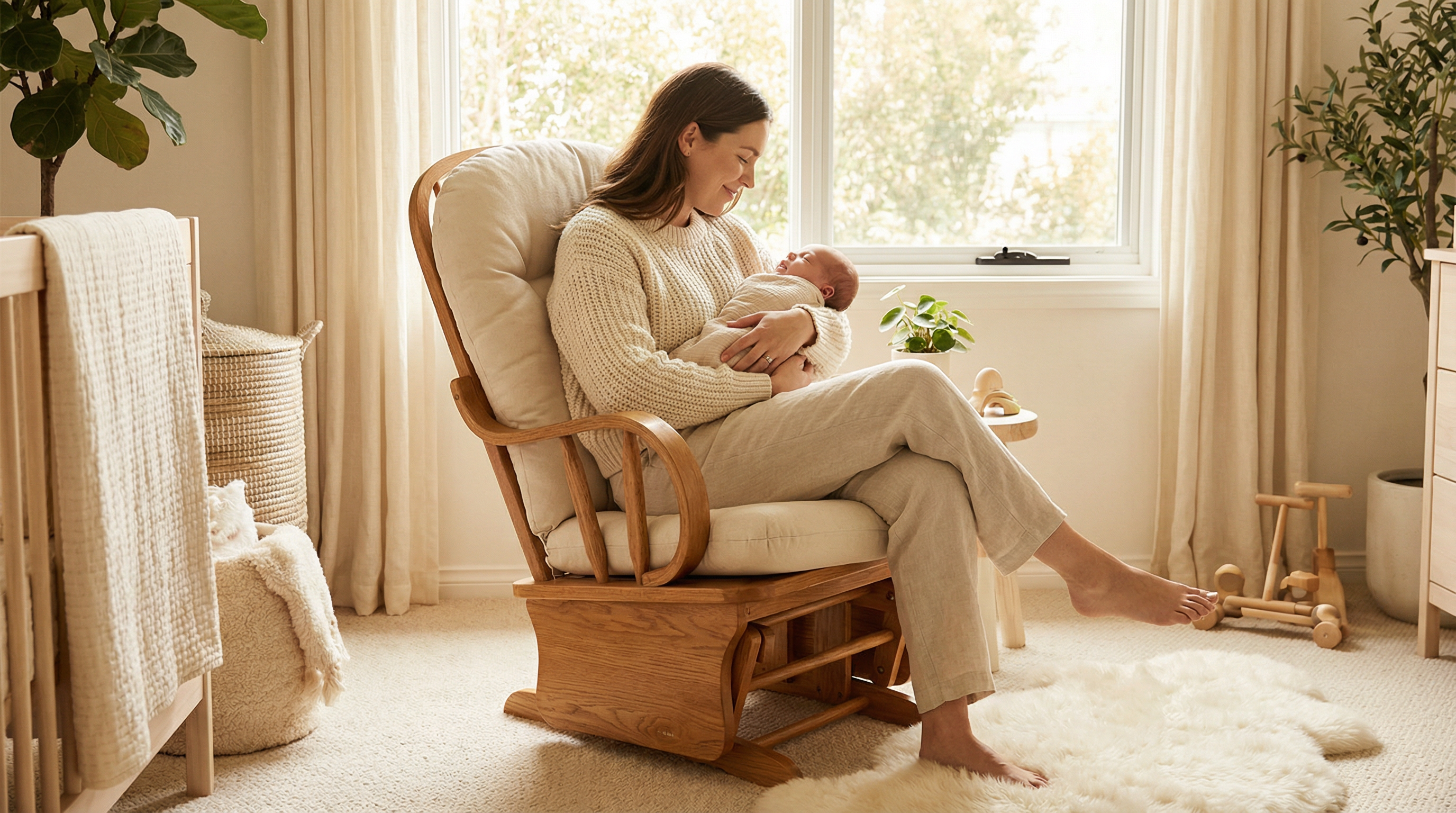
Build a Secure Foundation: The first step is always to ensure your baby feels safe and loved. This means responding to their cries, offering comfort, and engaging in plenty of skin-to-skin contact and cuddles during the day. A baby who feels secure during waking hours is more likely to feel secure enough to settle for sleep. This isn't about spoiling; it's about meeting fundamental needs. For more on building this bond, read our guide on how to build secure attachment and get more sleep.
-
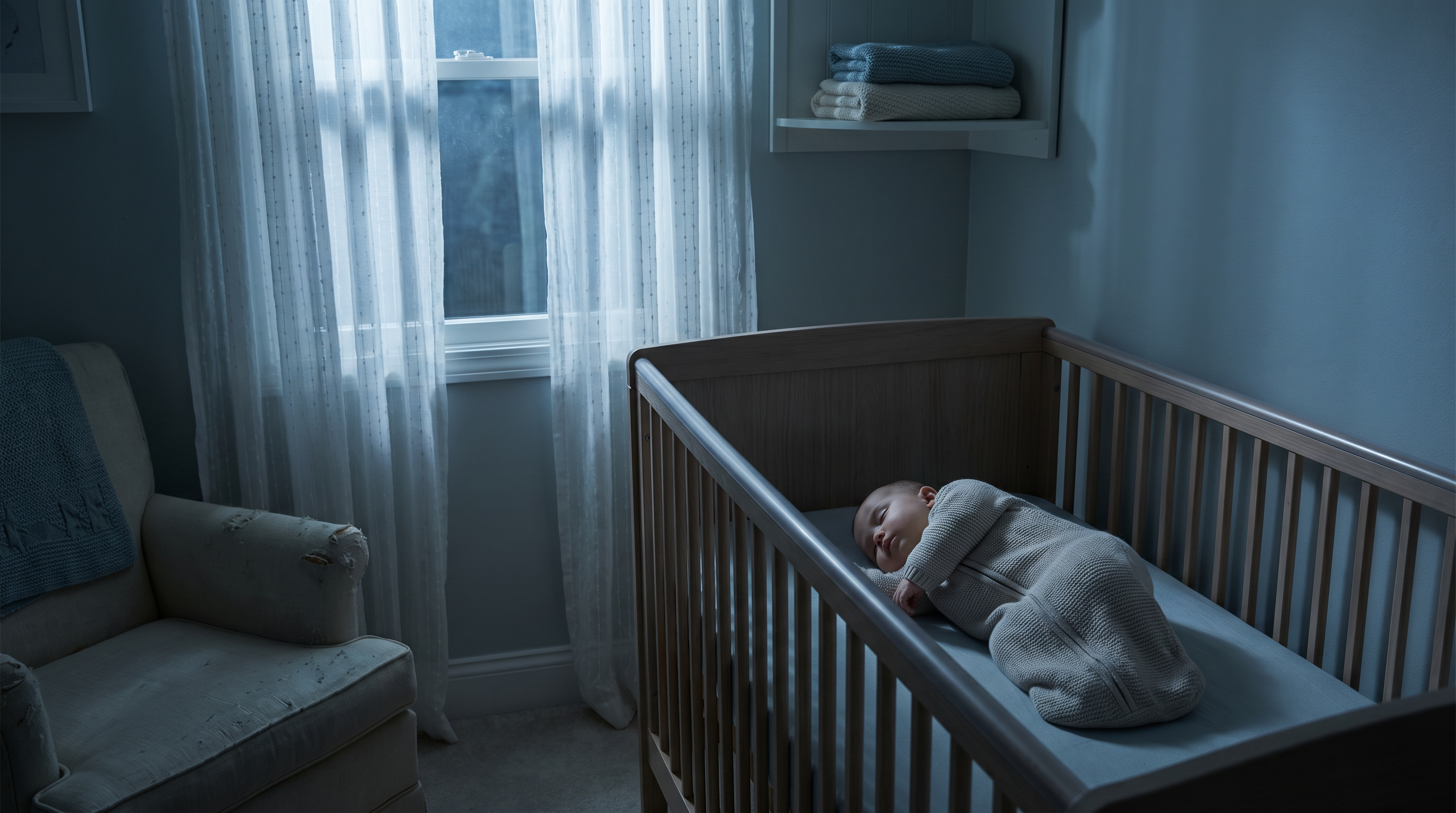
Optimize the Sleep Environment: Create a sleep space that is dark, cool, and quiet. Use white noise to mask household sounds and create a consistent sleep cue. Ensure the crib or bassinet is safe and comfortable. A conducive environment signals to your baby that it's time for rest. You can find more tips on this in our post about how to create the perfect bedtime routine for your baby.
-
Establish a Flexible Bedtime Routine: A predictable, calming bedtime routine helps signal to your baby that sleep is coming. This might include a warm bath, a gentle massage, reading a book, or singing a lullaby. The key is consistency, not rigidity. Watch your baby's cues and adjust the routine length as needed. This routine should be a time for connection and winding down, not a race to get them to sleep.
-
Practice Le Pause: Rooted in French parenting, "Le Pause" is a brief observational pause before responding to nighttime sounds. Instead of rushing in at the first peep, take a few moments to observe if your baby is truly awake and distressed, or if they are simply stirring or resettling. Often, babies make noises in their sleep or can resettle themselves with a moment of quiet observation. This isn't about ignoring; it's about discerning genuine need from normal sleep sounds. It empowers your baby to practice self-regulation in a supported way.
-
Responsive Night Wakings: When your baby does wake and needs you, respond gently and calmly. Keep lights dim, voices low, and interactions minimal. Focus on meeting their immediate need, whether it's feeding, a diaper change, or comfort, and then gently guide them back to sleep. Avoid stimulating play or bright lights, which can signal that it's time to be awake. Remember, night wakings are normal, especially for young infants, and responding to them reinforces trust.
-
Gradual Adjustments: As your baby grows and develops, their sleep needs will change. The Gentle Night Method encourages gradual, responsive adjustments rather than abrupt changes. For example, if you're looking to gently reduce night feeds, you might gradually decrease the duration of feeds or offer comfort first before feeding, always attuned to your baby's hunger cues. This evolutionary approach respects your baby's pace and ensures they feel supported throughout their sleep journey.
Tonight's Plan
Ready to start fostering better sleep through attachment parenting tonight? Here's a concrete 3-step action plan you can implement:
- Observe and Connect: Before bedtime, spend 15-20 minutes in focused, calm connection with your baby. This could be skin-to-skin time, gentle play, or simply holding them close. Pay attention to their subtle cues. This deepens your bond and helps them feel secure before sleep.
- Implement a Mini-Routine: Choose 2-3 calming activities to do consistently every night before sleep. This might be a warm bath, a gentle massage, and a lullaby. Do these in the same order, in a dimly lit, quiet environment. The consistency will become a powerful sleep cue.
- Practice Le Pause (Gently): The next time your baby stirs or makes a sound overnight, take a slow, deep breath and pause for 30-60 seconds before immediately responding. Observe their movements and sounds. Are they truly distressed, or are they just resettling? If they escalate, respond immediately with comfort. This small pause can sometimes give them the space to drift back to sleep independently.
FAQ section
Does attachment parenting mean I'll never sleep again?
Absolutely not! While attachment parenting emphasizes responsiveness, it doesn't mean sacrificing your own well-being. In fact, by building a secure foundation and fostering trust, you're laying the groundwork for more independent and consolidated sleep in the long run. Many parents find that responsive parenting actually leads to more sleep, as their babies feel secure and settle more easily.
How is this different from "sleep training"?
Traditional "sleep training" often involves methods that encourage babies to self-soothe by being left alone to cry. The Gentle Night Method, rooted in attachment parenting, is fundamentally different. It's about sleep guidance rather than training. We focus on understanding and meeting your baby's needs, building trust, and gently guiding them towards better sleep through connection and responsiveness, never through forced separation or ignoring cries. For a deeper dive, see our comparison of gentle sleep support vs. cry it out.
Will my baby become too dependent if I always respond?
This is a common misconception. Research consistently shows that consistently responding to a baby's needs in infancy actually fosters independence later on. When a baby feels secure in their attachment, they develop the confidence to explore the world, knowing their caregiver is a reliable safe haven. This secure base is what allows them to become independent, not the other way around. Dependency is a developmental stage, and it's crucial to meet it fully for healthy development.
What if my baby is older and still waking frequently?
Frequent night wakings can persist for various reasons, even in older babies and toddlers. It's important to rule out any underlying medical issues first. Beyond that, consider developmental leaps, changes in routine, or separation anxiety. The principles of the Gentle Night Method still apply: reinforce connection, optimize the environment, maintain a calming routine, and respond gently. Sometimes, a slight adjustment to daytime naps or bedtime can make a big difference. Our guide for toddler sleep can offer more specific strategies.
Closing paragraph
Choosing attachment parenting for your baby's sleep journey is a powerful decision that prioritizes connection, trust, and long-term well-being. It's a path that honors your baby's innate needs and your instincts as a parent, proving that you don't have to sacrifice your bond for better sleep. By embracing gentle, responsive methods, you're not just helping your baby sleep better tonight; you're nurturing a secure, confident individual who feels safe and loved. You've got this, and we're here to support you every step of the way. For more personalized guidance, explore our free resources and discover how The Gentle Night Method can transform your family's sleep. Start your journey to more peaceful nights with our newborn guide today!
Continue reading