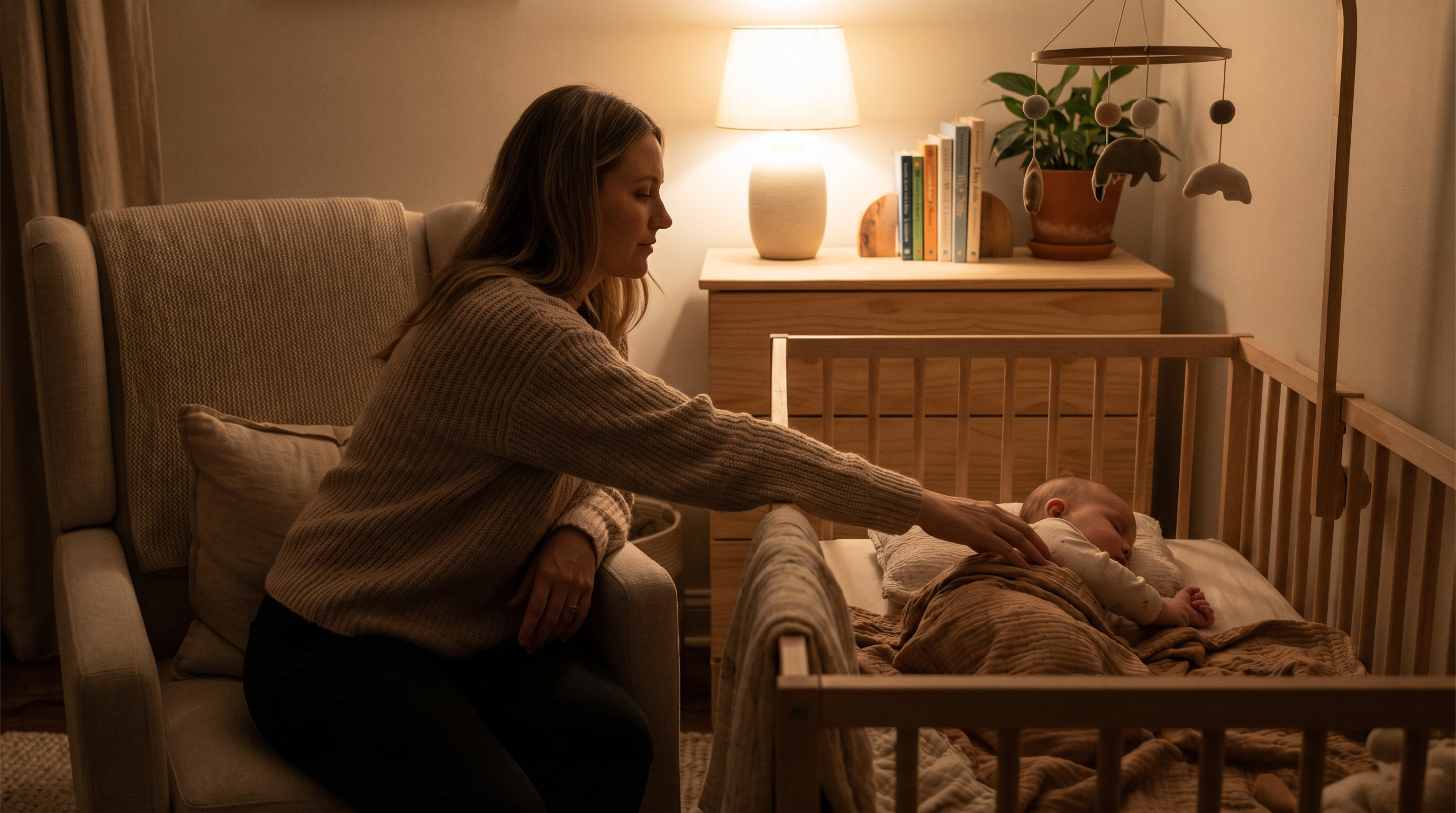
As new parents, the world of baby sleep can feel like a labyrinth of conflicting advice and strong opinions. You’re likely bombarded with information, much of it centered around “sleep training.” But what if much of what you’ve heard about sleep training is actually a myth? What if there’s a gentler, more responsive path to peaceful nights that honors your baby’s development and your unique bond?
At SleepingBabyGuide.com, we believe in empowering parents with evidence-based information that aligns with a gentle, no-cry-it-out philosophy. We understand that your baby’s well-being and your connection are paramount. In this article, we’re going to debunk common sleep training myths debunked by research, offering clarity and practical, loving approaches to help your little one (and you!) get the rest you need.
Myth 1: Sleep Training Always Means Crying It Out
This is perhaps the most pervasive and damaging myth surrounding sleep training. Many parents equate “sleep training” with cry-it-out or extinction methods (Cry It Out), which involve leaving a baby to cry for extended periods. The truth is, there’s a vast spectrum of approaches, and many effective strategies prioritize responsiveness and minimize distress.
Our philosophy is firmly rooted in the understanding that prolonged crying can be detrimental to a developing brain. As Dr. attachment science research’s framework highlights, responsive parenting builds secure attachment and a healthy nervous system. Cortisol, the stress hormone released during prolonged crying, can harm developing brains. We advocate for responding with intention, not anxiety, always prioritizing your baby’s emotional security.
The Gentle Alternatives: Responsive Sleep Support
Instead of extinction methods, gentle sleep training focuses on creating a secure environment and teaching self-soothing skills with parental presence and comfort. These methods acknowledge that nighttime parenting IS parenting, and the parent-child bond is sacred. Approaches like “camping out” or “bedtime fading” allow parents to gradually reduce their involvement while remaining a comforting presence. Research shows these methods can be just as effective as cry-it-out techniques, without the emotional toll on both parent and child [1].
Myth 2: There’s a Magic Age for Sleep Training
You might hear that there’s a specific age, often around four or six months, when babies are
“ready” for sleep training. However, there’s no universal consensus on a “best” age, and every baby develops at their own pace. While some babies may show readiness for more consistent sleep patterns around 4-5 months, others may not be ready until later [2].
Prior to four months, it’s entirely normal for babies to wake frequently for feeds and comfort. Their circadian rhythms are still developing, and their need for nourishment and connection is paramount. During this period, focus on responsive feeding and comforting, and don’t feel pressured to force a schedule that doesn’t align with your baby’s developmental stage.
Myth 3: Once Sleep Trained, Babies Will Always Sleep Through the Night
The idea that sleep training is a one-time fix for perfect sleep forever is another common misconception. While sleep training can equip babies with the skills to self-soothe and return to sleep independently, it doesn’t mean they’ll never wake up again. Just like adults, babies can experience sleep disruptions due to illness, teething, developmental leaps, or changes in routine [2].
It’s crucial to remember that sleep training teaches a skill, not immunity to life’s interruptions. If your baby, who was previously sleeping well, starts waking more frequently, it’s an opportunity to respond with empathy and investigate the cause. Nighttime parenting IS parenting, and responding to your baby’s needs, even after sleep training, reinforces their sense of security and trust.
Navigating Sleep Regressions and Changes
When faced with a sleep regression or a period of disrupted sleep, approach it with patience and flexibility. Revisit your gentle sleep strategies, offer extra comfort and reassurance, and remember that these phases are temporary. Your consistent, loving presence is the most important factor in helping your baby navigate these changes.
Myth 4: Sleep Training Harms the Parent-Child Bond
This myth often stems from the misconception that all sleep training involves leaving a baby to cry alone. For parents who prioritize attachment and responsive parenting, the idea of damaging the parent-child bond is deeply concerning. However, research consistently shows that gentle, responsive sleep training methods do not negatively impact the parent-child attachment [1].
In fact, by reducing parental stress and improving overall family sleep, responsive sleep support can actually strengthen the bond. When parents are well-rested and less anxious, they are better equipped to be present, patient, and attuned to their baby’s needs during waking hours. The key is to choose methods that feel right for your family and align with your values of gentle, empathetic care.
The Power of "Le Pause"
One beautiful example of responsive parenting in action is the French technique of "Le Pause." This involves briefly observing (1-3 minutes) before responding to night sounds, allowing babies to naturally transition between sleep cycles. This is NOT cry it out. It is attunement, not abandonment. It’s about giving your baby a moment to practice self-soothing while knowing you are there if they truly need you. This subtle shift can empower both baby and parent, fostering independence within a secure framework.
Practical Steps for Gentle Sleep Support
Ready to embrace a gentle approach to your baby’s sleep? Here are some actionable steps:
- Establish a Consistent Bedtime Routine: A predictable sequence of calming activities signals to your baby that it’s time to wind down. This might include a warm bath, a gentle massage, quiet reading, or soft lullabies. Consistency is key, even if the timing shifts slightly day-to-day.
- Create a Soothing Sleep Environment: Ensure the sleep space is dark, quiet, and at a comfortable temperature. A white noise machine can help block out household sounds and create a consistent auditory environment.
- Practice "Le Pause": When your baby stirs or makes noises at night, pause for 1-3 minutes before immediately responding. Observe their cues. Are they truly distressed, or are they simply transitioning between sleep cycles? This brief observation period can give your baby the opportunity to resettle independently.
- Respond with Intention, Not Anxiety: When you do respond, do so calmly and reassuringly. Offer comfort, a quick feed if needed, and then gently encourage them back to sleep. Avoid overstimulating them with bright lights or prolonged interaction.
- Prioritize Connection During the Day: A baby who feels securely attached and has had plenty of loving interaction during the day is often more settled at night. Fill their days with cuddles, play, and responsive care.
Key Takeaways
- Sleep training myths debunked: It doesn\'t have to mean cry-it-out.
- Gentle, responsive methods prioritize your baby\'s emotional well-being and the parent-child bond.
- There\'s no single
“right” age for sleep training; readiness varies by individual baby.
- Sleep training teaches skills, but doesn’t prevent all night wakings.
- Responsive parenting, like "Le Pause," fosters secure attachment and healthy sleep habits.
Navigating your baby’s sleep journey can be challenging, but remember, you are doing an incredible job. By understanding the truth behind sleep training myths debunked by research and embracing gentle, responsive approaches, you can foster healthy sleep habits while nurturing your precious bond. Trust your instincts, tune into your baby’s cues, and know that every step you take with love and intention is the right one.
For more in-depth guidance and support on gentle baby sleep, explore our free guide or discover our curated products in our shop designed to support peaceful nights for your whole family.
References
- 5 Sleep Training Myths Ruining Your Baby’s Sleep | Sleep.com
- Sleep Training Myths vs. Facts: What Every Parent Should Know
- Infant sleep training: Gentle alternatives to "cry it out"
 Sleep Training