What Is the Gentle Night Method? Complete Overview
Are you an exhausted parent, caught between the desire for more sleep and the deep-seated need to respond to your baby's cries? You're not alone. Many parents feel this tension, wondering if a good night's sleep for the family means sacrificing the gentle, responsive parenting they cherish. The good news is, you don't have to choose. Welcome to the Gentle Night Method, a compassionate, evidence-based approach designed to help your baby sleep better while strengthening your bond.
Why this happens: Understanding Your Baby's Sleep Biology
To truly understand why babies wake frequently and often need our help to resettle, it's essential to look at their unique sleep biology. Unlike adult sleep, which typically involves long stretches of deep, consolidated rest, infant sleep is characterized by shorter cycles and more time spent in lighter, active sleep stages. This is perfectly normal and serves vital developmental purposes.
- Shorter Sleep Cycles: A newborn's sleep cycle can be as short as 45-50 minutes, compared to an adult's 90-120 minutes. This means they naturally transition between sleep stages more frequently, and each transition presents an opportunity to fully wake up.
- Active Sleep (REM): Babies spend a significant portion of their sleep in REM (Rapid Eye Movement) sleep, which is crucial for brain development. During REM, babies are more easily roused, may twitch, vocalize, or even open their eyes.
- Biological Need for Proximity: For millennia, a baby's survival depended on staying close to their caregiver. This innate need for proximity doesn't disappear at bedtime. Waking and signaling for a parent is a protective mechanism, ensuring their needs for food, comfort, and safety are met.
- Hunger and Comfort: Especially in the early months, frequent night feeds are a biological necessity for growth. Beyond hunger, babies also seek comfort and reassurance, which are fundamental to building a secure attachment.
- Developmental Leaps: Just as babies grow and learn during the day, their brains are incredibly active at night. Developmental milestones, like rolling, crawling, or even babbling, can disrupt sleep as their brains process new skills. These periods are often referred to as sleep regressions, but they are actually signs of progress.
What NOT to do: Avoiding Common Sleep Training Pitfalls
In the quest for more sleep, many parents encounter advice that suggests leaving a baby to cry it out. While these methods promise quick results, they often come at a cost to the parent-child bond and can be deeply distressing for both. The core philosophy of the Gentle Night Method is a firm rejection of any approach that asks a baby to endure prolonged distress alone.
- Ignoring Cues: A baby's cry is their primary form of communication. Ignoring these cries can lead to feelings of abandonment and can erode the trust foundational to a secure attachment.
- Forcing Independence: While independence is a goal, forcing it prematurely in sleep can be counterproductive. Babies thrive on connection, and providing comfort at night reinforces that you are a safe and reliable presence.
- Creating Unnecessary Stress: Methods that involve leaving a baby to cry can elevate stress hormones in both parent and child, making it harder for everyone to relax and fall asleep.
- Misinterpreting "Self-Soothing": Often, when a baby stops crying after being left alone, it's not true self-soothing but rather a learned helplessness. They've learned that their cries won't bring a response.
Our approach at Sleeping Baby Guide is rooted in the belief that gentle sleep support vs cry it out is not just a preference, but a pathway to healthier emotional development and stronger family bonds.
The Gentle Night Method Approach: A Structured, Step-by-Step Framework
The Gentle Night Method is a holistic, responsive framework designed to improve your baby's sleep without compromising your attachment. It's not about quick fixes, but about sustainable, loving changes that respect your baby's developmental stage and individual temperament. This method empowers you to understand your baby's unique needs and respond with confidence and compassion.
1. Observation and Understanding: The Foundation of Gentle Sleep
Before making any changes, the first step is to become a sleep detective. This involves observing your baby's natural rhythms, cues, and sleep patterns without judgment. What time do they naturally get sleepy? How long are their naps? What are their feeding patterns at night? Understanding these baseline behaviors provides invaluable insight.
- Sleep Log: Keep a simple log for a few days to track sleep times, wake times, feeding times, and how your baby falls asleep.
- Recognizing Sleep Cues: Learn to differentiate between tired cues (yawning, rubbing eyes, disinterest) and overtired cues (fussiness, arching back). Catching the sleepy window is key.
- Understanding Le Pause: This French parenting concept encourages a brief observational pause (a few moments) before immediately responding to nighttime sounds. It allows you to differentiate between active sleep noises and genuine distress, giving your baby a chance to resettle if they're not truly awake.
2. Optimizing the Sleep Environment: Creating a Sanctuary
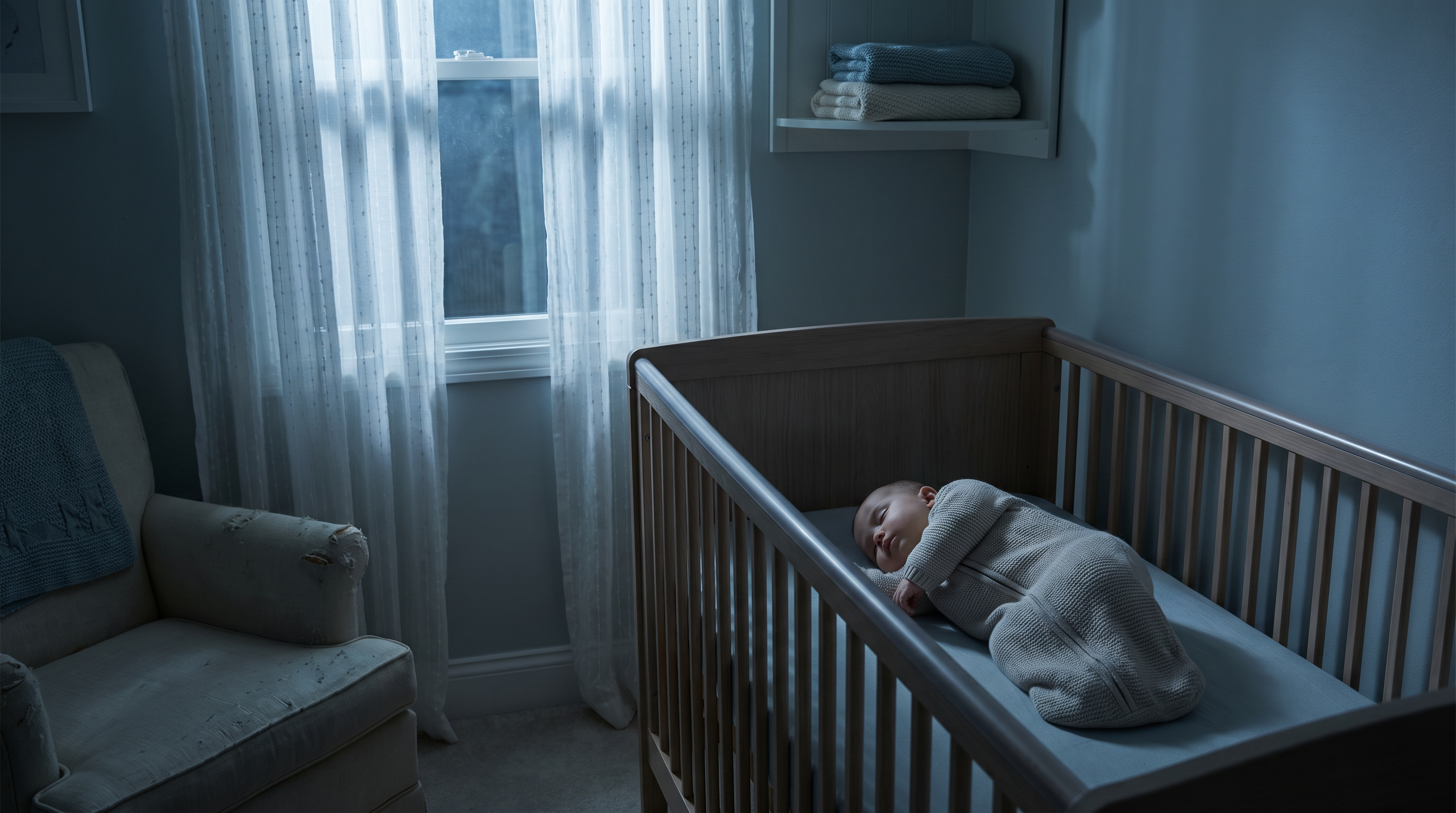
A conducive sleep environment is a powerful tool in promoting better sleep. Small adjustments can make a big difference in signaling to your baby that it's time for rest.
- Darkness: Ensure the room is pitch black for all sleep, day and night. Darkness stimulates melatonin production, the sleep hormone.
- Cool Temperature: A room temperature between 68-72°F (20-22°C) is generally ideal for safe and comfortable sleep.
- White Noise: Consistent white noise can mask household sounds and mimic the womb environment, providing a comforting backdrop for sleep.
- Safe Sleep Space: Always follow safe sleep guidelines: firm mattress, fitted sheet, no loose blankets or bumpers, and baby on their back.
3. Establishing a Predictable Bedtime Routine: Signaling Sleep
Babies thrive on predictability. A consistent, calming bedtime routine acts as a powerful signal that sleep is approaching, helping their bodies and minds wind down. This routine should be enjoyable and connecting for both of you.
- Consistency is Key: Perform the same steps in the same order every night, ideally starting around the same time.
- Calming Activities: Include activities like a warm bath, gentle massage, quiet reading, or singing a lullaby.
- Wind-Down Period: Avoid stimulating activities or bright screens for at least an hour before bedtime.
- Connection: Use this time to connect with your baby, offering cuddles and reassurance. This reinforces your bond and helps them feel secure. For more ideas, see how to create the perfect bedtime routine for your baby.
4. Responsive Nighttime Parenting: Meeting Needs with Love
The heart of the Gentle Night Method is responsive parenting, even at night. This means acknowledging your baby's needs and responding in a way that provides comfort and reassurance, while gently guiding them towards longer stretches of sleep as they are developmentally ready.
- Respond, Don't React: Take a breath, observe (Le Pause), and then respond thoughtfully. Is your baby hungry? Do they need a diaper change? Are they just seeking comfort?
- Gradual Adjustments: Instead of abrupt changes, make small, incremental adjustments to how you respond. For example, if you always rock to sleep, you might gradually reduce the amount of rocking over several nights.
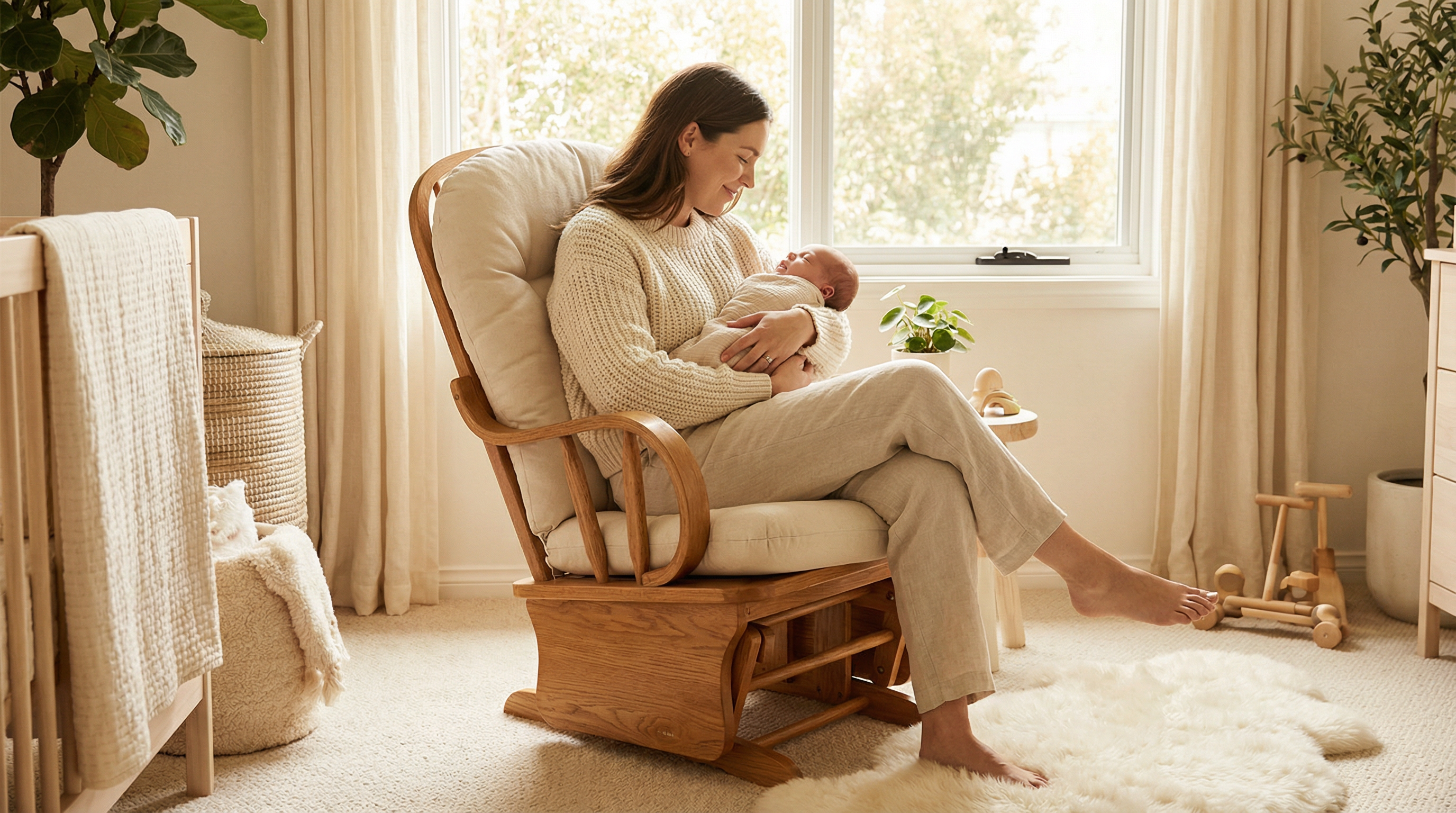
- Comfort and Reassurance: Your presence and comfort are paramount. Patting, shushing, holding, or feeding are all valid ways to help your baby resettle.
- Trust Your Instincts: You know your baby best. If something feels wrong or too harsh, it probably is.
Tonight's Plan: Your First Steps with the Gentle Night Method
Ready to start your gentle sleep journey tonight? Here's a simple, actionable plan to begin implementing the Gentle Night Method:
- Observe and Note: Before you do anything else, simply observe your baby's sleep patterns tonight. Jot down when they wake, what you do to resettle them, and how long it takes. This helps you understand your baseline.
- Optimize One Environmental Factor: Choose one aspect of the sleep environment to optimize. Make the room completely dark, or introduce a consistent white noise machine. Focus on just one change for now.
- Start a Mini Bedtime Routine: If you don't have one, begin a simple 15-20 minute calming routine tonight. This could be a bath, pajamas, a book, and a cuddle. Do it consistently.
- Practice Le Pause: The next time your baby stirs or makes noise at night, take a conscious, brief pause (5-10 seconds) before immediately going to them. Listen. Are they truly awake and distressed, or just resettling?
- Respond with Confidence: When you do respond, do so with calm confidence. Meet their needs, offer comfort, and trust that you are building a secure foundation for their sleep.
FAQ: Common Questions About the Gentle Night Method
Q: Is the Gentle Night Method the same as sleep training?
A: The Gentle Night Method is a form of sleep support, but it differs significantly from traditional "sleep training" methods that often involve leaving a baby to cry. Our method focuses on gentle, responsive strategies that respect your baby's developmental stage and emotional needs, working with their biology rather than against it. It's about guiding, not forcing, better sleep.
Q: How long does it take to see results with the Gentle Night Method?
A: The timeline for results varies greatly depending on your baby's age, temperament, and consistency of implementation. Unlike cry-it-out methods that promise quick (though often unsustainable) results, the Gentle Night Method focuses on gradual, lasting change. You might see small improvements within a few days, with more significant progress over several weeks or even months. Patience and consistency are key.
Q: Can I still breastfeed my baby at night with this method?
A: Absolutely! Night feeding is a natural and often necessary part of infant sleep, especially for breastfed babies. The Gentle Night Method fully supports responsive feeding, whether breast or bottle. It's about meeting your baby's hunger cues while also being mindful of other comfort needs. We believe breastfeeding sleep support both gently, ensuring both nourishment and rest.
Q: What if my baby is going through a sleep regression?
A: The Gentle Night Method is particularly effective during sleep regressions because it emphasizes understanding and responsiveness. Instead of fighting against these developmental leaps, the method helps you navigate them with empathy and appropriate support. Continue with your gentle routine, offer extra comfort, and remember that these phases are temporary. For specific guidance, you might find our article on the 4-month sleep regression gentle guide helpful.
Reassurance and Your Next Steps
Parenting is a journey filled with love, learning, and often, sleep deprivation. The Gentle Night Method offers a beacon of hope, proving that you can achieve more restful nights without ever compromising the precious bond you share with your baby. Remember, every step you take to respond gently, to understand their cues, and to create a loving sleep environment is a step towards a more secure, well-rested family.
Ready to dive deeper and create a personalized plan for your little one? Explore our comprehensive 3-4 Months Gentle Sleep Guide for tailored advice and support.
Continue reading