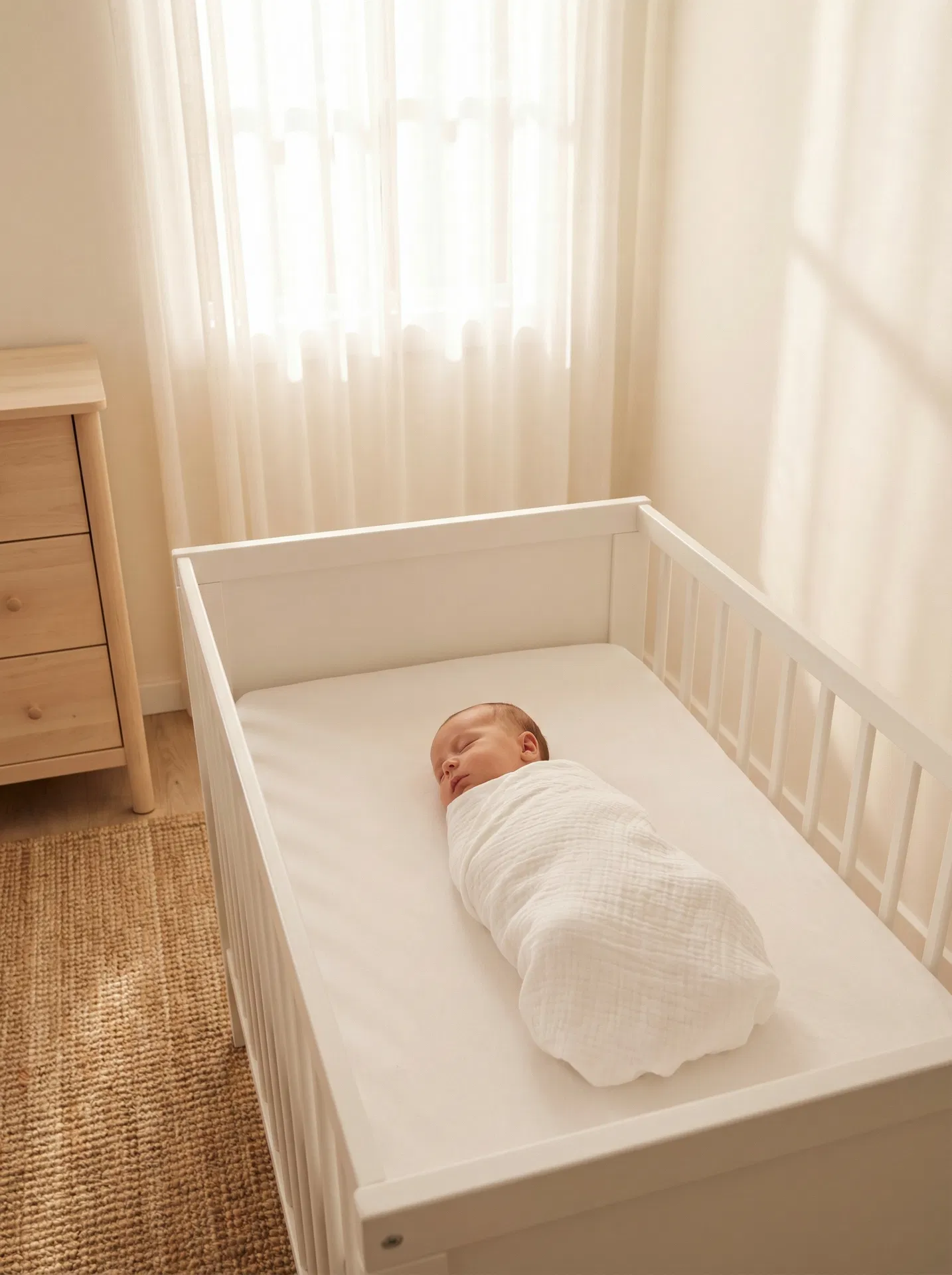
Gently Guiding Your Toddler From Crib to Big Kid Bed: A Loving Transition
Transitioning your toddler from their cozy crib to a "big kid" bed is a significant milestone, marking another step in their journey towards independence. For parents, this can feel like a daunting task, often accompanied by questions about timing, process, and how to maintain peaceful nights. At Sleeping Baby Guide, we believe in a gentle, attachment-friendly approach that honors your child's developmental stage and emotional needs. This comprehensive guide will walk you through every step, ensuring a smooth and loving transition for your little one.
Why and When to Make the Switch: Understanding Readiness Cues
The decision to move your toddler out of their crib is rarely about a specific age, but rather a combination of developmental readiness and practical considerations. While some children are ready around 18 months, others might stay happily in their crib until well past their third birthday. The key is to observe your child, not the calendar.
Signs Your Toddler is Ready for a Big Kid Bed
Look for these indicators that your child might be ready for this exciting change:
- Physical Readiness: The Great Escape Artist: The most common and often urgent reason for transitioning is when your toddler starts attempting to climb out of their crib. This poses a significant safety risk, as falls can lead to serious injury. If your child's chest reaches the top rail of the crib, it's time to consider the switch, even if they haven't climbed out yet. Safety first, always.
- Developmental Readiness: Asking for a Big Bed: Your child might start expressing interest in a "big bed" like a sibling or friend. They may show curiosity or even ask to sleep in one. This verbal or non-verbal communication is a strong sign of emotional and cognitive readiness.
- Potty Training Progress: If your toddler is actively potty training, especially at night, easy access to the bathroom becomes crucial. A big kid bed allows them to get up independently to use the potty, fostering their autonomy and success in potty training. For more on this, see our guide on Potty Training and Sleep.
- Outgrowing the Crib: While less common, some toddlers simply outgrow the physical space of their crib, becoming uncomfortable or cramped. If they seem too big for their crib, it might be time for a change.
- New Sibling on the Way: Sometimes, a new baby necessitates the crib for the infant. If this is the case, try to make the transition for your toddler several months before the new baby arrives, if possible. This prevents them from feeling "replaced" and allows them to adjust to their new sleeping arrangement before another big change occurs.
When to Postpone the Transition
Just as important as knowing when to transition is knowing when not to. Avoid making the switch during periods of significant stress or change for your child, such as:
- Moving to a new home
- Starting a new daycare or school
- Illness or teething
- Major family changes, like a divorce or a parent traveling extensively
These times can already be unsettling, and adding a bed transition can exacerbate anxieties and lead to sleep disruptions. Patience is a virtue in gentle parenting.
Preparing for the Big Move: Setting the Stage for Success
A successful transition often begins long before your child ever sleeps in their new bed. Preparation is key to making this a positive experience.
Involve Your Toddler in the Process
Empowering your child by involving them in decisions can significantly reduce resistance and foster excitement. This is their new space, after all!
- Shopping for Bedding: Let your toddler pick out new sheets, a blanket, or a special pillow featuring their favorite characters or colors. This makes the bed feel personal and exciting.
- Choosing a New Bed: If possible, let them help choose the bed itself. A floor bed, a toddler bed, or a twin bed with a rail are all excellent options. Discuss the pros and cons of each with them, focusing on comfort and safety.
- Decorating the Room: Involve them in small ways, like choosing a new nightlight or helping arrange their stuffed animals on the new bed. This creates a sense of ownership and comfort.
Prioritize Safety: Toddler-Proofing the Room
With newfound freedom comes the need for enhanced safety. Your toddler will now have unrestricted access to their room, so thorough toddler-proofing is essential.
- Secure Furniture: Anchor all heavy furniture, such as dressers, bookshelves, and changing tables, to the wall using anti-tip straps. This prevents tip-overs, which can be incredibly dangerous.
- Cover Outlets: Use outlet covers on all electrical outlets within reach.
- Cord Management: Secure blind and curtain cords out of reach to prevent strangulation hazards.
- Clear Pathways: Ensure the path from the bed to the door, and to any nightlight or potty, is clear of toys or obstacles.
- Gate the Door (Optional): Some parents choose to place a baby gate at the bedroom door for the first few weeks or months. This provides a boundary and prevents your child from wandering unsupervised, offering peace of mind. However, ensure it does not feel like a punishment.
🌙A gentle note: Always prioritize your child's safety. Regularly check their room for potential hazards and adjust as they grow and their abilities change. This is a dynamic process, not a one-time fix.
The Gentle Transition Process: Step-by-Step Guidance
Once the room is safe and your toddler is excited, it's time for the actual transition. Remember, patience and consistency are your best friends.
Step 1: Introduce the New Bed Gradually
Don't just spring the new bed on them. Let them get used to it.
- Playtime: Encourage playtime on the new bed during the day. Read books, snuggle, or just let them explore it. This helps them associate the bed with positive experiences.
- Naps First: If possible, have them take naps in the new bed before attempting overnight sleep. This is a lower-pressure way to introduce the change.
Step 2: Maintain Bedtime Routines
Consistency is crucial during any sleep transition. Your established bedtime routine provides comfort, predictability, and signals that it's time to wind down.
- Familiarity Breeds Comfort: Continue with your usual routine: bath, pajamas, stories, cuddles. The more elements that remain the same, the more secure your child will feel.
- Special Bedtime Object: Ensure their favorite lovey or blanket is readily available in the new bed. These familiar objects provide emotional security.
Step 3: Staying in Bed: Gentle Boundaries and Reassurance
This is often the trickiest part. Your toddler now has the freedom to get out of bed, and they will likely test this boundary. Your response is key.
- The "Return to Bed" Method: When your child gets out of bed, calmly and gently lead them back. Say something simple and firm, like "It's bedtime, time to stay in bed." Avoid scolding or engaging in long conversations. Just return them to bed, tuck them in, and leave. Repeat as many times as necessary. This can be exhausting, but consistency pays off. For more on establishing routines, read our article on Creating a Calming Bedtime Routine.
- Positive Reinforcement: Praise them when they stay in bed, even for short periods. "I love how you're staying in your big bed!" A sticker chart can also be a wonderful motivator for older toddlers.
- The "Chair Method" (Gentle Fading): If your child is struggling significantly, you can try a variation of the chair method. Start by sitting in a chair next to their bed until they fall asleep. Each night, gradually move the chair closer to the door until you are eventually out of the room. This provides a reassuring presence while encouraging independent sleep.
Step 4: Address Night Wakings Gently
Night wakings may increase temporarily during the transition. Respond with reassurance and consistency.
- Quick Reassurance: If your child wakes and calls for you, go in, offer a quick hug and a reassuring word, and gently guide them back to bed. Avoid turning on bright lights or engaging in stimulating activities.
- Check for Needs: Ensure they don't have a genuine need, like needing to use the potty or being thirsty. Address the need, then return them to bed.
Common Challenges and Gentle Solutions
Even with the best preparation, challenges can arise. Here's how to navigate them with empathy and patience.
Challenge: Frequent Getting Out of Bed
- Solution: Revisit the "Return to Bed" method with unwavering consistency. Ensure your responses are calm and neutral. Avoid power struggles. Consider a visual cue, like a "sleep light" that turns green when it's okay to get out of bed in the morning.
Challenge: Fear of the New Bed or Room
- Solution: Acknowledge their fears without dismissing them. "I know the new bed feels different, but it's safe and cozy." Spend extra time snuggling and reading in the bed. A special nightlight or a "monster spray" (water in a spray bottle) can sometimes help alleviate anxieties. Ensure the room is not too dark or too bright.
Challenge: Sleep Regressions
- Solution: Sleep regressions are normal during periods of developmental leaps or changes. Maintain your routine, offer extra comfort and reassurance, and be patient. This phase will pass. For more on this, check out our article on Understanding Toddler Sleep Regressions.
Maintaining Good Sleep Habits in the Big Kid Bed
Once the transition is complete, the goal is to maintain healthy sleep habits.
- Consistent Bedtime and Wake-up Times: Stick to a regular schedule, even on weekends, to regulate their internal clock.
- Relaxing Bedtime Routine: Continue with the calming routine that signals the end of the day.
- Optimal Sleep Environment: Ensure the room remains dark, quiet, and cool. A sound machine can help block out household noises.
- Adequate Daytime Sleep: Ensure your toddler is still getting appropriate naps for their age. Overtiredness can lead to more night wakings and difficulty falling asleep.
Conclusion: A Milestone Achieved with Love
The transition from crib to big kid bed is a testament to your child's growth and your patient, loving guidance. By approaching this milestone with preparation, consistency, and a deep understanding of your toddler's needs, you can create a positive experience that strengthens your bond and fosters healthy sleep habits for years to come. Celebrate this achievement with your little one, acknowledging their bravery and independence. Sweet dreams await in their new big kid bed!
 Toddler Sleep