Why Your Baby Wakes Up Every 45 Minutes and What to Do
Understanding the 45-Minute Wake-Up: A Deep Dive into Baby Sleep Cycles
As a parent, few things are as universally challenging as navigating baby sleep. Just when you think you've cracked the code, your little one throws a curveball, often in the form of the dreaded 45-minute wake-up. This phenomenon is incredibly common and can leave even the most patient parents feeling exhausted and bewildered. But why does it happen, and more importantly, what can you do about it? Let's explore the science behind these short sleep cycles and gentle, attachment-friendly strategies to help your baby achieve longer, more restorative sleep.
The Science of Sleep Cycles in Infants
To understand why your baby might be waking every 45 minutes, it's crucial to grasp the basics of infant sleep cycles. Unlike adult sleep, which typically cycles every 90-120 minutes, a baby's sleep cycle is much shorter, often ranging from 40 to 50 minutes. Each cycle comprises different stages, moving from light sleep to deep sleep and back again.
Newborns (0-3 months): Newborns spend a significant portion of their sleep in REM (Rapid Eye Movement) sleep, also known as active sleep. This is a lighter stage of sleep where babies might twitch, smile, or make noises. They transition quickly between sleep stages, and their sleep cycles are very short, around 45 minutes. This is a protective mechanism, allowing them to wake easily if they need feeding or feel unsafe.
Infants (3-12 months): As babies grow, their sleep architecture matures, and they begin to spend more time in non-REM (quiet) sleep. However, their sleep cycles remain shorter than adults', typically around 45-60 minutes. The transition between these cycles is a critical point. If a baby hasn't learned to connect these cycles independently, they may fully wake up at the end of one cycle, leading to those frequent 45-minute wake-ups.
Common Reasons for the 45-Minute Wake-Up
Several factors can contribute to your baby consistently waking after a short sleep period. Identifying the root cause is the first step toward finding a solution.
1. Inability to Self-Soothe and Connect Sleep Cycles: This is perhaps the most common reason. Babies are not born with inability to self-soothe; it's a learned skill. If a baby falls asleep with significant assistance (e.g., being rocked, fed to sleep, or held), they may expect that same assistance to transition from one sleep cycle to the next. When they stir in light sleep at the end of a cycle, they realize the conditions have changed and fully wake up, signaling for help to fall back asleep.
2. Overtiredness: It might seem counterintuitive, but an overtired baby often struggles more with sleep. When babies are awake for too long, their bodies produce cortisol, a stress hormone, which makes it harder for them to fall asleep and stay asleep. This can lead to shorter naps and frequent night wakings.
3. Undertiredness: On the flip side, a baby who isn't tired enough might also struggle to settle into a deep, restorative sleep. If their wake windows are too short, they may only manage a light, brief nap before waking up refreshed and ready to go.
4. Growth Spurts and Developmental Leaps: Babies experience rapid physical and cognitive development, often accompanied by growth spurts and developmental leaps. During these times, their brains are working overtime, and they may need more frequent feeds or comfort, leading to disrupted sleep patterns. They might be practicing new skills in their sleep, like rolling or babbling, which can also cause them to wake.
5. Hunger: Even if your baby is past the newborn stage, hunger can still be a significant factor, especially during growth spurts or if they aren't getting enough calories during the day. Babies have tiny stomachs, and their nutritional needs are high.
6. Discomfort or Environmental Factors: A wet diaper, being too hot or too cold, an uncomfortable sleeping position, or even a noisy or brightly lit sleep environment can all disrupt sleep. Ensuring a comfortable and conducive sleep space is paramount.
7. Sleep Regressions: While often associated with specific ages (e.g., 4 months, 8-10 months, 12 months, 18 months), sleep regressions can occur at various times. These are periods when a baby who was previously sleeping well suddenly starts waking frequently. They are often linked to significant developmental milestones.
Gentle Strategies to Encourage Longer Sleep Stretches
Addressing the 45-minute wake-up requires a holistic and gentle approach, focusing on your baby's individual needs and fostering a secure attachment. Remember, consistency and patience are key.
1. Optimize the Sleep Environment
Creating an ideal sleep environment signals to your baby that it's time for rest and helps minimize disruptions.
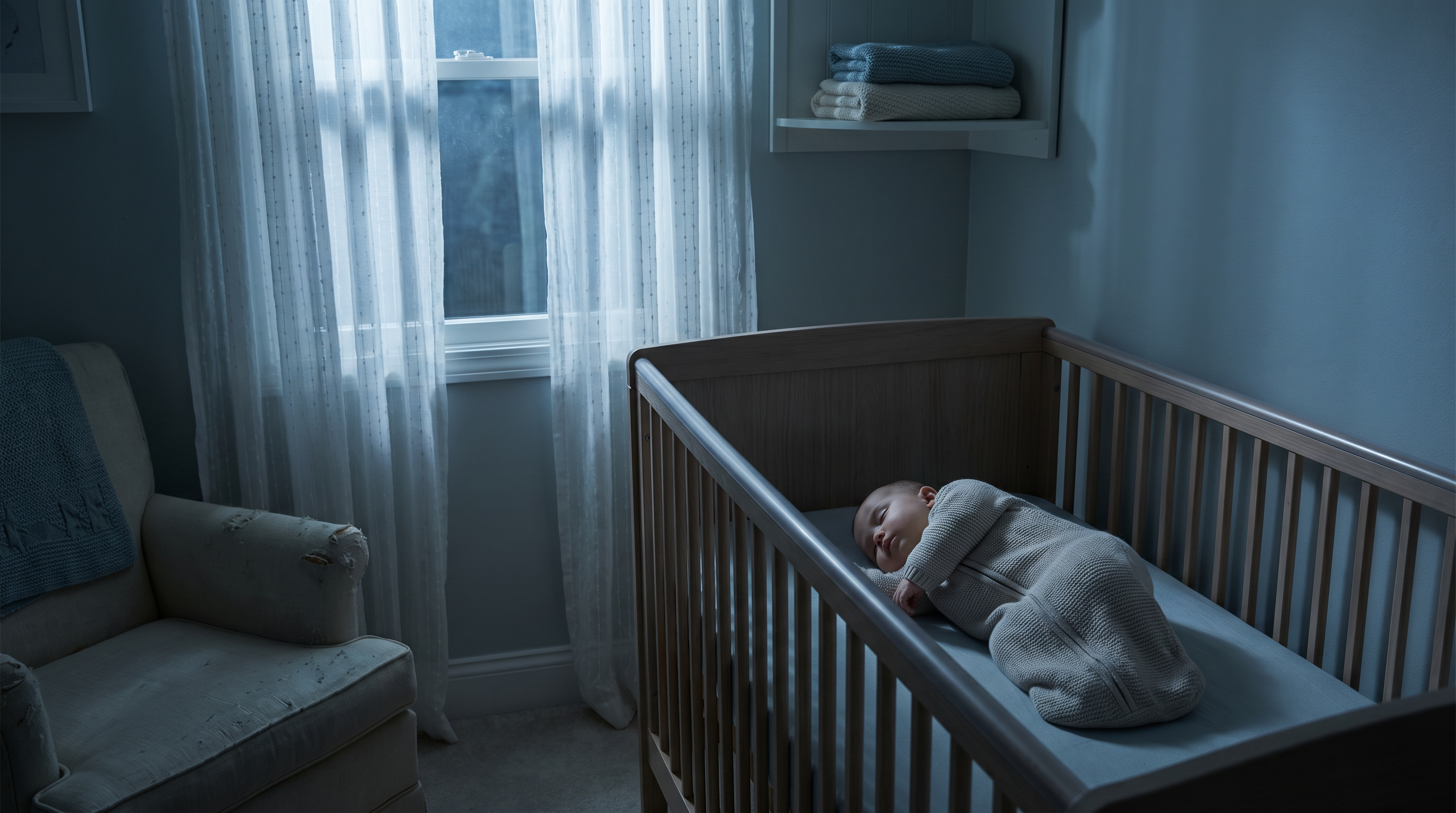
- Darkness: Ensure the room is as dark as possible, even for naps. Use blackout curtains or blinds to block out light. Darkness promotes melatonin production, the sleep hormone.
- Cool Temperature: A room temperature between 68-72°F (20-22°C) is generally recommended. Dress your baby in appropriate sleepwear, avoiding overheating.
- White Noise: Consistent white noise can mask household sounds and mimic the womb environment, providing a soothing backdrop for sleep. Ensure it's played at a safe volume, similar to a soft shower, and placed a few feet away from the crib.
- Safe Sleep Space: Always follow safe sleep guidelines. Place your baby on their back in a crib or bassinet with a firm mattress and fitted sheet, free from bumpers, loose blankets, pillows, or stuffed animals.
2. Establish a Consistent Bedtime and Naptime Routine
Babies thrive on predictability. A consistent routine helps regulate their internal clock and signals that sleep is approaching.
- Wind-Down Activities: For bedtime, this might include a warm bath, a gentle massage, reading a book, or singing a lullaby. For naps, a shorter version of this routine, like changing a diaper and reading a quick story, can be effective.
- Timing is Everything: Pay attention to your baby's sleepy cues (yawning, eye rubbing, disinterest in play) and aim to put them down for sleep before they become overtired. This often means adhering to age-appropriate wake windows.
3. Encourage Independent Sleep Initiation
This is often the most challenging but crucial step in addressing frequent wake-ups. The goal is to help your baby learn to fall asleep with less assistance, so they can replicate those conditions when they stir between sleep cycles.
- Drowsy But Awake: For babies over 3-4 months, try putting them down in their crib or bassinet when they are drowsy but still awake. This gives them the opportunity to practice falling asleep independently.
- Gradual Weaning of Sleep Associations: If your baby relies heavily on feeding, rocking, or pacifiers to fall asleep, consider gradually reducing these associations. For example, if you feed to sleep, try feeding a little earlier in the routine. If you rock, try rocking for shorter periods before placing them down.
- The "Pause" or "Wait and See" Approach: When your baby wakes after 45 minutes, resist the urge to immediately rush in. Pause for a few minutes to see if they can resettle themselves. Sometimes, babies make noise or stir as they transition between sleep cycles and can fall back asleep with a little time and space. This is not about leaving them to cry indefinitely, but about giving them a chance to practice their self-soothing skills in a supportive environment.
4. Address Hunger and Feeding Needs
Ensure your baby is getting adequate nutrition throughout the day.
- Full Feeds: Offer full, satisfying feeds during the day to minimize the need for frequent night feeds (unless medically advised otherwise). This is particularly important during growth spurts.
- Dream Feeds: For some babies, a dream feed (feeding your baby while they are still asleep, typically before you go to bed) can help extend the first stretch of night sleep.
5. Be Mindful of Wake Windows
Wake windows are the periods your baby can comfortably stay awake between naps or before bedtime. These vary by age and are crucial for preventing both overtiredness and undertiredness.
- Newborns: Very short wake windows, often 45-60 minutes.
- 3-6 Months: Gradually increasing to 1.5-2.5 hours.
- 6-12 Months: Typically 2-4 hours, depending on the number of naps.
Observing your baby's cues and adjusting wake windows accordingly can significantly impact their sleep quality.
6. Consider Developmental Leaps and Regressions
During periods of intense development, your baby's sleep may temporarily regress. Be patient and offer extra comfort and reassurance. These phases are temporary, and maintaining your routines as much as possible will help them get back on track.
When to Seek Professional Advice
While the 45-minute wake-up is common, if you have concerns about your baby's sleep, overall health, or development, always consult with your pediatrician. They can rule out any underlying medical conditions and provide personalized guidance.
🌙A gentle note: The information provided in this blog post is for general informational purposes only and is not a substitute for professional medical advice. Always consult with a qualified healthcare provider for any health concerns or before making any decisions related to your baby's health and sleep. Safe sleep practices, as recommended by leading health organizations, should always be followed.
Conclusion
The 45-minute wake-up can be a frustrating phase, but it's a normal part of infant sleep development. By understanding the science behind sleep cycles, optimizing the sleep environment, establishing consistent routines, and gently encouraging independent sleep skills, you can help your baby gradually achieve longer, more consolidated sleep. Remember to be patient, empathetic, and responsive to your baby's needs, fostering a secure attachment while guiding them towards healthier sleep habits. Every baby is unique, and what works for one may not work for another. Trust your instincts and celebrate small victories along the way. Your dedication to gentle, responsive parenting will lay a strong foundation for your child's well-being.
 Sleep Science