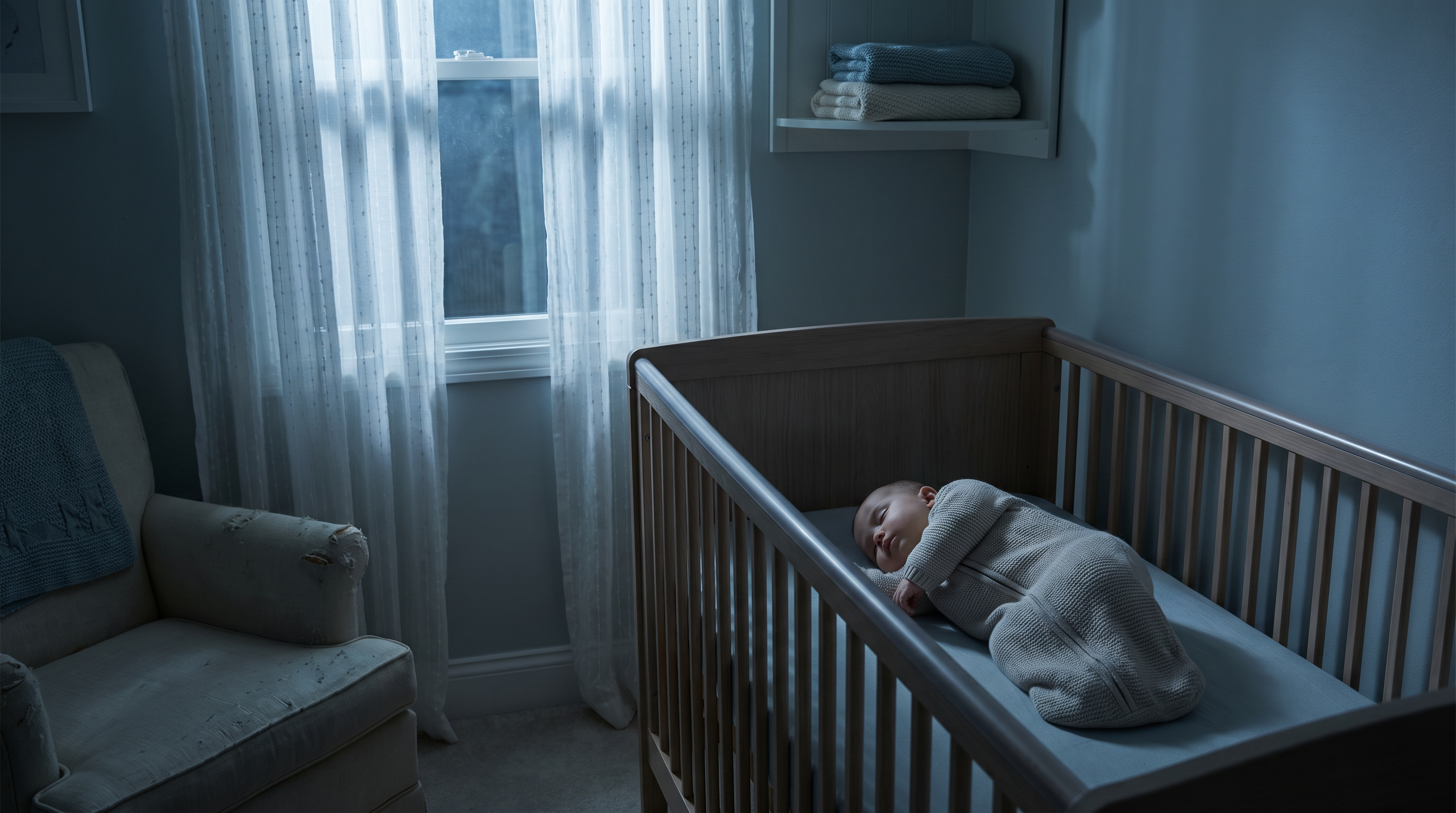
Understanding Melatonin and Your Baby's Sleep
As exhausted parents, we often find ourselves searching for solutions to help our little ones sleep better. In this quest, you might have come across melatonin, a hormone often associated with sleep. But when it comes to our precious babies, it's natural to wonder: is melatonin for baby sleep a safe and effective option? This article will explore what parents need to know about melatonin and infant sleep, offering evidence-based insights and gentle alternatives that align with responsive, attachment-focused parenting.
What is Melatonin?
Melatonin is a hormone naturally produced by the pineal gland in the brain. It plays a crucial role in regulating our circadian rhythm, the body's internal clock that tells us when to sleep and when to wake. Melatonin production typically increases in the evening as darkness falls, signaling to the body that it's time to prepare for sleep. Conversely, light exposure, especially blue light, can suppress melatonin production.
The Developing Sleep Cycle in Infants
It's important to remember that a baby's sleep cycle is vastly different from an adult's. Newborns have very disorganized sleep patterns, often sleeping in short bursts throughout the day and night. Their circadian rhythm isn't fully developed until around 3-4 months of age, and even then, it continues to mature significantly throughout the first year and beyond. This developmental process means that their natural melatonin production and sleep-wake cycles are still establishing themselves.
Is Melatonin Safe for Babies? What the Research Says
The question of whether melatonin for baby sleep is safe is a critical one for parents. While melatonin is widely available as a supplement and often used by adults, its use in infants and toddlers is a different matter entirely. The scientific community generally advises caution due to a significant lack of research on its long-term effects in this vulnerable population.
Lack of Long-Term Safety Data
One of the primary concerns regarding melatonin use in babies is the absence of robust, long-term studies. Most research on melatonin has focused on adults or older children with specific sleep disorders, such as ADHD or autism spectrum disorder, where sleep architecture can be significantly disrupted. For healthy infants and toddlers, there are no comprehensive data regarding the safety and efficacy of melatonin. This means we don't fully understand the potential impact on their developing brains, hormones, or natural sleep patterns over time. The American Academy of Sleep Medicine and other pediatric organizations generally do not recommend melatonin for routine use in healthy infants and young children.
Potential Side Effects
Even in short-term use, melatonin can have side effects. While often mild in adults, these could be more pronounced or concerning in infants. Reported side effects can include drowsiness, dizziness, nausea, and headaches. There's also the risk of paradoxical effects, where melatonin could actually disrupt sleep rather than aid it. Furthermore, the unregulated nature of many supplements means that the actual dose of melatonin in a product might not match what's stated on the label, leading to accidental under- or overdosing. This is particularly worrying for infants, whose tiny bodies are much more sensitive to even small amounts of medication or supplements.
The Importance of Consulting Your Pediatrician
Given the lack of research and potential risks, it is crucial to **always consult your pediatrician** before considering any supplement, including melatonin, for your baby's sleep. Your pediatrician can help rule out underlying medical conditions that might be affecting sleep and provide guidance tailored to your child's specific health needs. They can also discuss evidence-based strategies that prioritize your baby's well-being and natural development.
Effectiveness of Melatonin for Healthy Infants
While melatonin can be effective in shortening the time to fall asleep for older children with diagnosed sleep disorders, its effectiveness for healthy infants and toddlers is largely unproven. Many studies that show positive results are often conducted on children with neurodevelopmental conditions, where sleep patterns are significantly different from those of typically developing babies. For healthy infants, sleep challenges are often developmental and behavioral, rather than a deficiency in melatonin production.
Introducing exogenous melatonin (melatonin from an external source) to a baby whose natural circadian rhythm is still developing could potentially interfere with this natural process. It might mask underlying issues or create a dependency, making it harder for the baby to learn to self-regulate their sleep. Our goal at Sleeping Baby Guide is to support your baby in developing healthy, independent sleep habits naturally, fostering their innate ability to sleep well without reliance on supplements.
Gentle Alternatives to Melatonin for Baby Sleep
At Sleeping Baby Guide, we believe in the **Gentle Night Method**, an approach rooted in responsive, attachment-focused parenting. This means no cry-it-out, no harsh sleep training, and a deep respect for your baby’s developmental stage and emotional needs. Instead of looking to supplements like melatonin for baby sleep, we encourage parents to explore holistic, gentle strategies that support natural sleep development.
Establishing a Consistent, Calming Bedtime Routine
One of the most powerful tools for promoting healthy sleep in infants is a consistent and calming bedtime routine. Babies thrive on predictability, and a soothing routine signals to their bodies and minds that it’s time to wind down. This routine doesn’t need to be long or elaborate, but it should be consistent every night. Consider activities such as:
- A warm bath
- Gentle massage
- Reading a quiet story or singing lullabies
- Dimming the lights in the hour leading up to bedtime
- Quiet cuddle time
The key is to create a peaceful transition from wakefulness to sleep, fostering a sense of security and calm.
Optimizing the Sleep Environment
A baby’s sleep environment plays a significant role in their ability to fall and stay asleep. Ensure their sleep space is:
- **Dark:** Use blackout curtains to block out all light, mimicking the natural darkness that cues melatonin production.
- **Quiet:** A white noise machine can help mask household sounds and create a consistent, soothing background.
- **Cool:** The ideal room temperature for baby sleep is typically between 68-72°F (20-22°C).
- **Safe:** Always follow safe sleep guidelines, placing your baby on their back in a firm, flat sleep surface free of loose bedding, bumpers, or toys.
Responsive Parenting and Attachment
The Gentle Night Method emphasizes responsiveness and maintaining a strong attachment bond. This means responding to your baby’s cues, offering comfort, and understanding that their needs, including nighttime wakings, are valid. Co-sleeping (when done safely) or room-sharing can be part of an attachment-focused approach, allowing for easier nighttime feeding and comforting. Remember, building trust and security with your baby is paramount, and this foundation supports their emotional well-being, which in turn, contributes to better sleep.
Understanding Sleep Cues and Avoiding Overtiredness
Learning to recognize your baby’s unique sleep cues is essential. Yawning, rubbing eyes, staring blankly, or becoming fussy are all signs that your baby is ready for sleep. Missing these cues can lead to overtiredness, making it much harder for your baby to settle down. Aim to put your baby down for sleep when they are drowsy but still awake, giving them the opportunity to practice falling asleep independently.
Daytime Naps and Feeding
Ensuring adequate daytime sleep and nutrition is crucial for nighttime sleep. An overtired or hungry baby will struggle to sleep well at night. Pay attention to age-appropriate wake windows and nap schedules. For breastfed babies, frequent nursing, especially in the evenings, can help
ensure they are getting enough calories and comfort before the long stretch of nighttime sleep.
Practical Tips for Better Baby Sleep (Without Melatonin)
If you're struggling with your baby's sleep and wondering about melatonin for baby sleep, try these practical, gentle tips first:
- **Embrace "Le Pause":** Before rushing in at the first sound of a whimper, pause for a moment. Babies often make noises or even cry out briefly during sleep transitions. Giving them a moment allows them the chance to resettle themselves.
- **Maximize Daylight Exposure:** Natural light exposure during the day, especially in the morning, helps regulate your baby's circadian rhythm and natural melatonin production.
- **Establish a Predictable Rhythm:** While strict schedules aren't necessary, a predictable daily rhythm of eating, playing, and sleeping helps your baby know what to expect.
- **Focus on Connection:** Spend quality time connecting with your baby during awake periods. A strong emotional bond fosters security, which is essential for peaceful sleep.
- **Be Patient and Consistent:** Changes in sleep habits take time. Be patient with your baby and yourself, and remain consistent with your gentle sleep strategies.
Frequently Asked Questions About Melatonin and Baby Sleep
Is it ever okay to give my baby melatonin?
The general consensus among pediatricians is that melatonin should not be given to healthy infants and toddlers. There is a lack of research on its long-term safety and efficacy in this age group. Always consult your pediatrician before giving your baby any supplement.
What are the signs that my baby might have a sleep disorder?
If your baby consistently struggles to fall asleep, wakes frequently throughout the night, snores loudly, or seems excessively sleepy during the day despite adequate sleep opportunities, it's important to discuss these concerns with your pediatrician. They can help determine if there's an underlying issue that needs addressing.
How long does it take for gentle sleep methods to work?
Gentle sleep methods focus on gradual changes and supporting your baby's natural development. The timeline can vary greatly depending on the baby and the specific strategies used. It's important to be patient and consistent, as these methods aim for long-term, sustainable improvements rather than quick fixes.
Can I use melatonin while breastfeeding?
The safety of using melatonin while breastfeeding is not well established. Melatonin can pass into breast milk, and its effects on a nursing infant are unknown. It's best to consult with your healthcare provider before taking melatonin if you are breastfeeding.
Supporting Your Baby's Sleep Journey Gently
Navigating baby sleep can be one of the most challenging aspects of parenting. While the idea of a quick fix like melatonin for baby sleep might be tempting, the lack of safety data and potential risks make it an unsuitable option for healthy infants. By embracing the Gentle Night Method and focusing on responsive, attachment-focused strategies, you can support your baby in developing healthy sleep habits naturally.
Remember, you are not alone in this journey. Every baby is unique, and finding the right approach takes time and patience. Trust your instincts, prioritize connection, and seek support when needed.
If you want a complete, step-by-step plan tailored to your baby's age, our [Age] Sleep Guide walks you through every stage gently. Browse our guides.
 Sleep Science