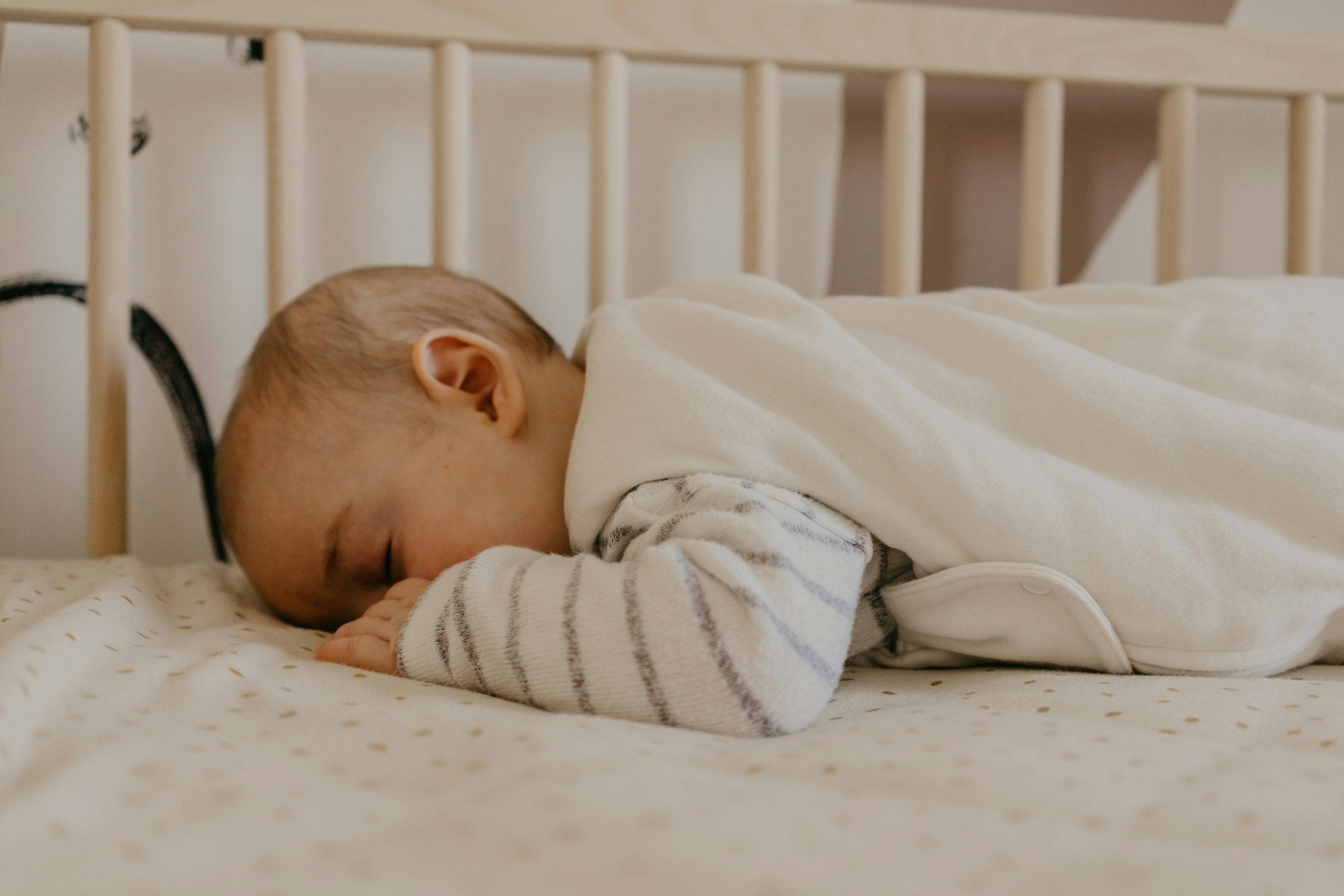
Is Your Little One Moonstruck? Unraveling the Mystery of Full Moon Wakefulness in Babies
As parents, we often find ourselves searching for answers to our baby's ever-changing sleep patterns. One age-old question that frequently surfaces, especially around certain times of the month, is: "Does the full moon affect my baby's sleep?" Many parents swear by it, noticing their little ones are more restless, wakeful, or simply harder to settle when the moon is at its fullest. It is a common observation, shared in parenting groups and whispered among tired caregivers, but what does science have to say about this intriguing connection? Is there a real, tangible link, or is it simply a fascinating piece of folklore that has persisted through generations?
At Sleeping Baby Guide, we understand the profound impact sleep has on both babies and their families. Our approach is always rooted in empathy, attachment, and evidence-based practices. While the idea of the moon influencing our babies' sleep might seem mystical, we are here to explore the observations, delve into the scientific research, and offer gentle, practical strategies to support your baby's sleep, regardless of the lunar phase. Let us embark on this journey to understand why your baby might seem more wakeful during a full moon, and what the real science suggests.
The Enduring Allure of Lunar Influence: From Folklore to Modern Parenting
Throughout history, the moon has been attributed with powerful, almost magical, influences over life on Earth. From tides to human behavior, ancient civilizations and even modern-day anecdotes often link lunar cycles to various phenomena. The term "lunacy" itself derives from the Latin word "luna," meaning moon, reflecting historical beliefs that the moon could affect mental states. It is no surprise, then, that parents might instinctively look to the moon when their baby's sleep takes an unexpected turn.
Many cultures have stories and superstitions connecting the full moon to increased activity, strange occurrences, or altered sleep. This deep-seated cultural narrative can subtly shape our perceptions. When a baby has a particularly challenging night coinciding with a full moon, it is natural for parents to connect the two, reinforcing the belief. This is not to dismiss parental observations, which are incredibly valuable, but rather to acknowledge the powerful role of cultural context and anecdotal evidence in shaping our understanding of the world around us.
Decoding the Science: What Research Says About the Moon and Sleep
When we move from anecdotal observations to scientific inquiry, the picture becomes more nuanced. Researchers have investigated the potential link between lunar phases and human sleep for decades, with varying and often conflicting results. For a long time, many studies found no significant correlation, leading to the general scientific consensus that the moon had little to no direct impact on sleep.
However, more recent research has begun to offer some intriguing, albeit subtle, insights. A notable study published in Current Biology in 2013, for instance, found that participants slept approximately 20 minutes less, took longer to fall asleep, and experienced a 30% reduction in deep sleep during the full moon phase compared to the new moon. While this study was conducted on adults in a controlled laboratory setting, it sparked renewed interest in the topic.
Further research, including a significant study from the University of Washington published in Science Advances in 2021, provided additional evidence. This study, which tracked sleep patterns across different populations, found that people, on average, went to bed later and slept less in the three to five days leading up to a full moon. The researchers hypothesized that this pattern might be an evolutionary remnant, where brighter moonlight before the full moon allowed for more nocturnal activity, delaying bedtime. This effect was observed regardless of access to electricity, suggesting a deeper, perhaps innate, biological rhythm.
It is important to note that while these studies suggest a subtle influence, the impact is often small – a matter of minutes, not hours. Many other large-scale studies, such as one presented at Sleep Advances in 2024, continue to report mixed or inconclusive findings, often concluding that any observed effects are minimal and not clinically significant. The scientific community largely agrees that while there might be a faint signal, it is far from the dramatic disruptions many parents report.
So, what does this mean for your baby? While direct studies on infants are less common and often inconclusive, the general scientific consensus points to a very minor, if any, direct physiological impact of the moon on sleep. The more pronounced wakefulness parents observe might be influenced by other factors, which we will explore next.
Beyond the Moon: Exploring Other Factors Contributing to Wakefulness
If the scientific evidence for a direct lunar effect on baby sleep is subtle at best, why do so many parents feel a strong connection between the full moon and their baby's wakefulness? It is likely a combination of factors, some environmental, some psychological, and some developmental.
1. Increased Light Exposure
Historically, a full moon meant significantly more natural light during the night. While most modern homes have curtains and artificial lighting, a particularly bright full moon can still cast light into a baby's room, especially if blackout measures are not robust. Even a small amount of light can disrupt melatonin production, the hormone essential for sleep, making it harder for babies to fall and stay asleep. Babies are particularly sensitive to light, and their sleep environment plays a crucial role in their sleep quality.
2. Parental Perception and Confirmation Bias
When parents anticipate a difficult night due to the full moon, they might be more attuned to their baby's stirrings and wake-ups. This phenomenon, known as confirmation bias, means we tend to notice and remember events that confirm our existing beliefs. If a baby has a slightly off night, and it happens to be a full moon, the two events become linked in the parent's mind, even if the correlation is purely coincidental. The power of suggestion and shared parental experiences can be very strong.
3. Developmental Leaps and Growth Spurts
Babies are constantly growing and developing. Full moons occur approximately every 29.5 days, which is a similar timeframe to many developmental leaps, growth spurts, or changes in sleep patterns. It is entirely possible that what parents attribute to the full moon is actually a natural progression of their baby's development. For example, a baby learning a new skill, like rolling or crawling, might practice it in their sleep, leading to increased wakefulness. Similarly, growth spurts can lead to increased hunger and more frequent night feeds, disrupting sleep.
4. Environmental Factors and Routine Disruptions
Life does not stop for the moon. Sometimes, increased wakefulness around a full moon might coincide with other environmental factors or disruptions to routine. Perhaps there was a family gathering, travel, or a change in the daily schedule that inadvertently affected the baby's sleep. These external factors can easily be overlooked in favor of a more dramatic, lunar explanation.
Gentle Parenting Strategies for Moonlit Nights (and Every Night!)
Regardless of whether the full moon plays a role in your baby's wakefulness, the goal remains the same: to support your little one in achieving restful, restorative sleep. Our gentle parenting philosophy emphasizes understanding your baby's needs, responding with love and patience, and creating a nurturing sleep environment. Here are some science-backed, attachment-friendly strategies to help your baby navigate any period of increased wakefulness, full moon or not:
1. Optimize the Sleep Environment
- Blackout Curtains: Invest in high-quality blackout curtains or blinds to ensure the room is as dark as possible, even during the day for naps and at night, regardless of the moon's brightness. This helps regulate your baby's circadian rhythm.
- White Noise: A white noise machine can help mask household sounds and create a consistent, soothing auditory environment, preventing minor disturbances from startling your baby awake.
- Optimal Temperature: Keep the room cool, between 68-72°F (20-22°C), to promote comfortable sleep.
2. Prioritize a Consistent Bedtime Routine
Babies thrive on predictability. A consistent, calming bedtime routine signals to your baby that it is time to wind down and prepare for sleep. This routine can be a powerful tool to help them transition from wakefulness to sleep, even on nights when they feel more wired.
- Wind-Down Activities: This might include a warm bath, a gentle massage, reading a story, or singing lullabies. Keep it consistent every night.
- Timing is Key: Aim for a consistent bedtime. If you notice increased wakefulness around the full moon, consider moving bedtime up by 15-30 minutes for a few nights before and after the full moon, as suggested by some experts, to preempt potential sleep resistance.
3. Respond with Empathy and Patience
When your baby is wakeful, especially in the middle of the night, it can be incredibly challenging. Remember to approach these moments with empathy and patience. Your calm presence is reassuring to your baby.
- Gentle Reassurance: If your baby wakes, offer gentle comfort. This might involve a soft pat, a soothing voice, or a brief cuddle. Avoid overstimulating them with bright lights or prolonged play.
- Check for Needs: Ensure all basic needs are met: Is your baby hungry? Does their diaper need changing? Sometimes, a quick feed or change is all that is needed to help them settle back down.
- Avoid Creating New Sleep Associations: While offering comfort, try to avoid introducing new sleep associations that might be difficult to break later. The goal is to help them return to sleep in their usual way.
4. Focus on Overall Sleep Hygiene
Rather than focusing solely on the full moon, concentrate on establishing excellent sleep hygiene practices every day. This holistic approach will build a strong foundation for your baby's sleep health.
- Adequate Daytime Naps: Ensure your baby is getting appropriate daytime sleep for their age. Overtiredness can paradoxically lead to more difficulty falling asleep and staying asleep at night.
- Plenty of Light During the Day: Expose your baby to natural light during the day to help reinforce their circadian rhythm. This helps their body understand the difference between day and night.
- Monitor Wake Windows: Be mindful of your baby's wake windows to prevent overtiredness. An age-appropriate wake window ensures they are tired enough for sleep but not overly exhausted.
🌙A gentle note: Always consult with your pediatrician or a qualified healthcare professional if you have persistent concerns about your baby's sleep or health. This article provides general information and is not a substitute for professional medical advice.
Conclusion: Nurturing Sleep Under Any Moon
The question of whether the full moon affects baby sleep is a fascinating one, blending ancient beliefs with modern science. While parental observations are valid and deeply felt, scientific research suggests that any direct lunar influence on sleep is likely very subtle, if present at all. More often, factors like light exposure, parental perception, developmental milestones, or routine disruptions play a more significant role in periods of increased wakefulness.
At Sleeping Baby Guide, our commitment is to empower you with knowledge and gentle strategies. Instead of fixating on the moon, we encourage you to focus on creating a consistent, nurturing sleep environment and routine that supports your baby's natural sleep rhythms. By optimizing their sleep space, maintaining predictable routines, and responding with empathy, you can help your little one achieve peaceful sleep, night after night, under any phase of the moon. Remember, you are doing an amazing job, and every phase of your baby's sleep journey is an opportunity for connection and gentle guidance. For more insights on creating a serene sleep environment, explore our guide on creating a peaceful nursery, or learn about understanding baby sleep regressions for other common sleep challenges.
 Sleep Science