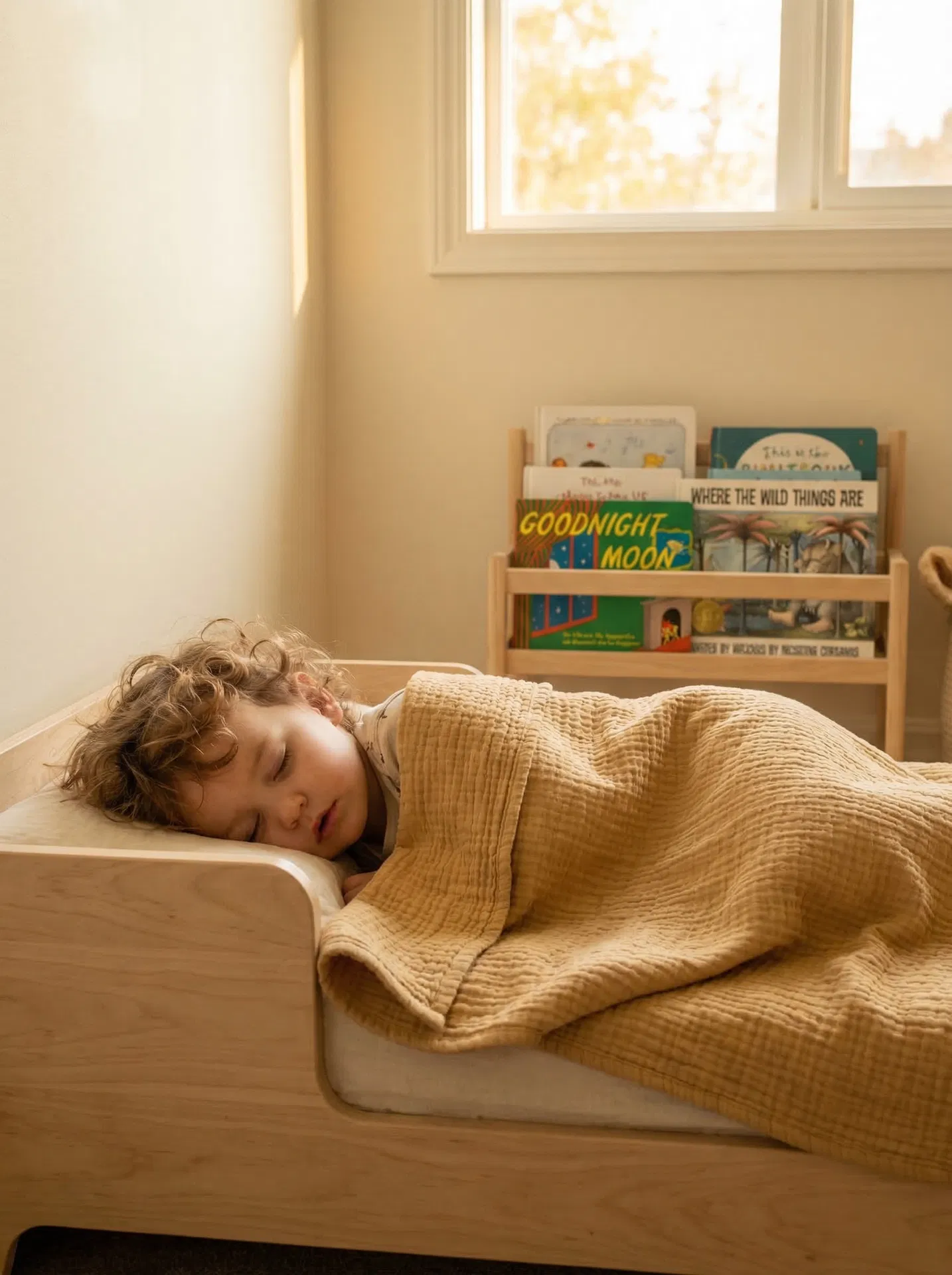
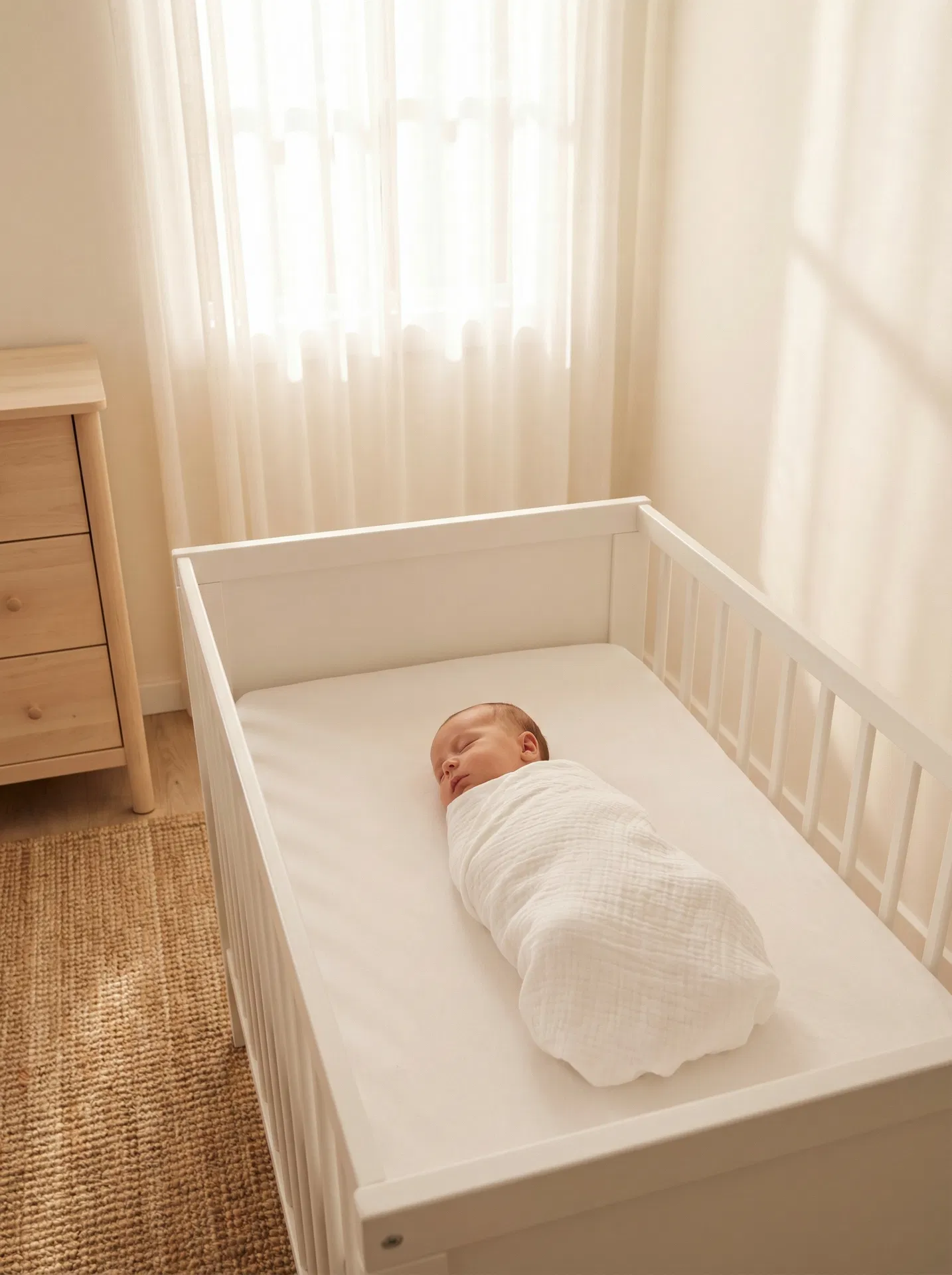
As parents, we strive to create a world of comfort and predictability for our little ones. But what happens when your baby divides their time between two homes? The idea of maintaining a consistent sleep environment across two homes can feel daunting, yet it's entirely achievable with intention and a gentle approach. This guide will walk you through creating that comforting familiarity, ensuring your baby feels secure and sleeps soundly, no matter which home they're in.
🌙A gentle note: Every family is different, and we believe you know your baby best. The information in this article is for educational purposes and reflects current safe sleep guidance. When trying anything new, trust your instincts and check in with your pediatrician if you have questions. You are doing a wonderful job.
We understand the unique challenges co-parenting or shared care arrangements present, especially when it comes to sleep. Our philosophy at SleepingBabyGuide.com is rooted in responsive parenting, building secure attachment, and nurturing a healthy nervous system. We believe that nighttime parenting is parenting, and every response to your baby's needs strengthens that sacred bond. You're doing an amazing job, and we're here to support you with warm, non-judgmental, and evidence-based advice.
Why a Consistent Sleep Environment Matters for Babies in Two Homes
Babies thrive on predictability. A consistent sleep environment signals to their developing brains that it's time to rest, fostering a sense of security and calm. When this environment changes frequently, it can lead to confusion, anxiety, and disrupted sleep. For babies splitting time between two homes, establishing this consistency is even more crucial. It helps them adapt more easily to transitions and reduces the stress associated with unfamiliar surroundings.
Think of it from your baby's perspective: familiar sights, sounds, and smells are comforting anchors in their world. Replicating these elements in both homes provides a stable foundation for their sleep, promoting deeper, more restorative rest. This isn't about rigid rules, but about creating a gentle, predictable rhythm that supports their natural sleep cycles.
The Gentle Approach to Sleep Consistency
Our approach is always gentle, emphasizing attunement over abandonment. We never advocate for leaving a baby to cry alone. Instead, we encourage practices like "Le Pause," the French technique of briefly observing (1-3 minutes) before responding to night sounds. This allows your baby a moment to self-settle and transition between sleep cycles naturally, without feeling unheard or abandoned. It's about responding with intention, not anxiety, and reinforcing the parent-child bond.
Key Elements for a Consistent Sleep Environment Across Two Homes
Creating consistency doesn't mean both homes need to be identical, but rather that the core elements of the sleep space and routine remain similar. Here are the essential components to focus on:
1. Replicating the Sleep Space
The physical environment plays a huge role in signaling sleep. Aim to make your baby's sleep space in both homes as similar as possible.
- Crib or Bassinet: If possible, have a dedicated, safe sleep space in each home. Ensure it meets all safety standards.
- Bedding: Use similar sheets and sleep sacks in both locations. The familiar texture and smell can be incredibly comforting.
- Darkness: Both rooms should be as dark as possible during sleep times. Blackout curtains or portable blackout blinds are excellent investments.
- Temperature: Maintain a consistent, cool room temperature (ideally between 68-72°F or 20-22°C) in both sleep environments.
- Sound: A white noise machine can be a powerful tool for consistency. It blocks out distracting household noises and provides a soothing, familiar soundscape.
2. Maintaining a Predictable Bedtime Routine
The bedtime routine is your most potent tool for signaling to your baby that sleep is coming. This routine should be consistent in both homes, even if the timing shifts slightly.
- Warm Bath (Optional): A relaxing bath can be a wonderful start to the routine.
- Quiet Play/Cuddles: Wind down with gentle activities, avoiding overstimulation.
- Feeding: A final feed before sleep is often part of the routine.
- Story or Lullaby: Reading a book or singing a lullaby provides a calming, familiar ritual.
- Into the Sleep Sack: This is a strong sleep cue.
- Cuddles and Kisses: Gentle affection before placing them in their crib.
The sequence of these steps is more important than the exact activities. Aim for 20-30 minutes of calm, predictable actions.
3. Consistent Sleep Cues and Comfort Items
Beyond the environment and routine, specific cues and items can bridge the gap between homes.
- Lovey or Comfort Object: If your baby is old enough (typically after 12 months), a small, safe comfort object that travels between homes can provide immense security.
- Scent: A blanket or piece of clothing that carries your scent can be reassuring.
- Consistent Language: Use the same phrases or words when talking about sleep in both homes.
Practical Step-by-Step Guide for Co-Parents
Effective communication and collaboration between co-parents are paramount to creating a consistent sleep environment across two homes. Here's how to work together:
- Open Communication: Regularly discuss your baby's sleep patterns, recent changes, and any challenges. A shared journal or app can be helpful.
- Agree on Core Principles: Both parents should be aligned on the gentle, responsive parenting philosophy. This means no cry-it-out methods, and a commitment to responding to your baby's needs.
- Standardize the Sleep Space: Work together to ensure both sleep environments have similar blackout capabilities, white noise, and temperature control.
- Harmonize the Bedtime Routine: Agree on a consistent sequence of bedtime activities. While the exact book or song might differ, the structure should remain the same.
- Share Information: Keep each other informed about nap times, wake windows, and any sleep-related observations.
- Be Patient and Flexible: It takes time for babies to adjust. There will be bumps along the way. Offer grace to yourselves and your baby.
Key Takeaways
- Consistency is Key: Replicating the sleep environment and routine in both homes fosters security and better sleep.
- Gentle and Responsive: Always prioritize your baby's emotional well-being, avoiding cry-it-out methods.
- Communication is Crucial: Co-parents must collaborate and communicate openly to maintain consistency.
- Focus on Core Elements: Darkness, temperature, sound, and a predictable routine are the most important factors.
- Patience and Empathy: Adjustments take time. Be kind to yourselves and your baby throughout the process.
Creating a consistent sleep environment across two homes is a testament to your dedication as a parent. It requires thoughtful planning, open communication, and a deep commitment to your baby's well-being. Remember, every gentle response, every familiar lullaby, and every consistent routine builds a stronger foundation for secure attachment and healthy sleep. You are nurturing a resilient, well-rested little one, and that's something to be incredibly proud of.
For more gentle sleep guidance and resources, explore our free guide or visit our shop for supportive sleep tools.
 Sleep Environment