How to Handle Baby Sleep on Holidays and Vacations: Your Gentle Guide
Ah, the dream of a relaxing family vacation! You picture sun-drenched days, happy memories, and perhaps even a moment of peace for yourself. But for parents of little ones, the thought of travel often comes with a knot of anxiety: "What about baby's sleep?" You're not alone in feeling this way. The disruption to routines, new environments, and the sheer excitement of a trip can throw even the most predictable sleeper into a tailspin, leaving everyone exhausted and wondering if the vacation was worth it. This guide offers gentle, attachment-focused strategies to navigate baby sleep on vacation, ensuring both you and your little one can enjoy your time away without sacrificing precious rest or connection.
Why this happens
Understanding why sleep can go awry during travel helps us approach the situation with empathy and effective strategies. Babies thrive on predictability, and their developing brains rely on consistent cues to regulate their sleep-wake cycles. When you travel, several factors conspire against this natural rhythm:
- Circadian Rhythm Disruption: Time zone changes, even small ones, can significantly impact a baby's internal clock. Their bodies expect it to be night when it's day, or vice-versa, leading to overtiredness or early wakings. Even without time zone changes, shifts in daily activities and light exposure can disrupt this delicate balance.
- Novelty and Stimulation: A new environment, be it a hotel room or a grandparent's house, is inherently stimulating. Babies constantly process new sights, sounds, and smells, making it harder to settle down and fall asleep. This heightened awareness can override natural sleep cues.
- Lack of Familiarity and Security: Home is a sanctuary of comfort and predictability. The familiar scent of their crib, sounds, and consistent darkness all contribute to a sense of security that aids sleep. Away from home, these comforting elements are often missing, triggering unease and making them more alert.
- Parental Stress and Anxiety: Travel can be stressful for parents. Packing, navigating, and managing logistics elevate your own stress, and babies are incredibly attuned to their parents' emotions. Your anxiety can inadvertently make it harder for your baby to relax and settle for sleep.
- Developmental Leaps and Milestones: Sleep disruptions during travel can coincide with natural developmental milestones. A baby learning to roll or stand might be too excited to practice new skills to settle for sleep. The brain actively integrates these new abilities, leading to increased wakefulness.
- Changes in Feeding Schedules: Travel often means changes to feeding schedules due to time zone shifts or different activity timings. Consistent feeding is crucial for sleep, and any deviation can impact hunger cues and sleep patterns.
What NOT to do
In the quest for sleep on vacation, it's easy to fall into common traps that can actually make things worse. Here's what to avoid, keeping our gentle and responsive approach in mind:
- Abandoning all routine: While flexibility is key, completely throwing out your baby's sleep routine can backfire. It sends mixed signals and can lead to severe overtiredness, making it even harder to get back on track. Aim for a modified routine, not a complete free-for-all.
- Expecting perfection: Your baby is not a robot, and travel is disruptive. There will be bumps in the road, short naps, and perhaps more night wakings. Expecting them to sleep exactly as they do at home will only lead to frustration and stress. Embrace the reality that sleep will be different.
- Ignoring sleep cues: In the excitement of exploring a new place, it's tempting to push through tired signs. However, an overtired baby is harder to settle for sleep, more prone to meltdowns, and less likely to enjoy the vacation. Pay close attention to yawns, eye rubs, and fussiness, and prioritize rest.
- Introducing new, unwanted sleep associations: Don't suddenly start rocking your baby to sleep all night if that's not your usual method, or let them sleep in your bed if you don't want to continue that habit when you return home. Be mindful of creating new associations that will be difficult to break later.
- Blaming yourself or your baby: It's not your fault if sleep is challenging on vacation, nor is it your baby's. You're doing your best in a new and often unpredictable situation. Self-compassion is crucial. Your baby is also navigating a new experience, and their reactions are simply their way of communicating needs.
- Comparing your baby to others: Every baby is different, and every travel experience is unique. Avoid comparing your baby's sleep on vacation to other children or even to your own baby's sleep at home. Focus on your family's needs and what works best for you in the moment.
The Gentle Night Method approach
Our philosophy at Sleeping Baby Guide is rooted in gentle, responsive parenting, and this approach is even more vital when navigating sleep away from home. The Gentle Night Method isn't about strict rules; it's about understanding your baby's needs, building trust, and providing consistent, loving support. Here's how our core values translate to travel sleep:
- Prioritize connection and security: A new environment can feel unsettling for your baby. Focus on extra cuddles, skin-to-skin contact, and reassuring words. Your consistent, loving presence is their greatest comfort and helps them feel secure. Remember, secure bonding and good sleep are not opposites; they are deeply intertwined.
- Embrace flexibility within a framework: While maintaining your exact home schedule might be impossible, aim for a predictable rhythm. Keep meal times, wake windows, and bedtime rituals somewhat consistent. This provides a sense of security and predictability without rigid adherence.
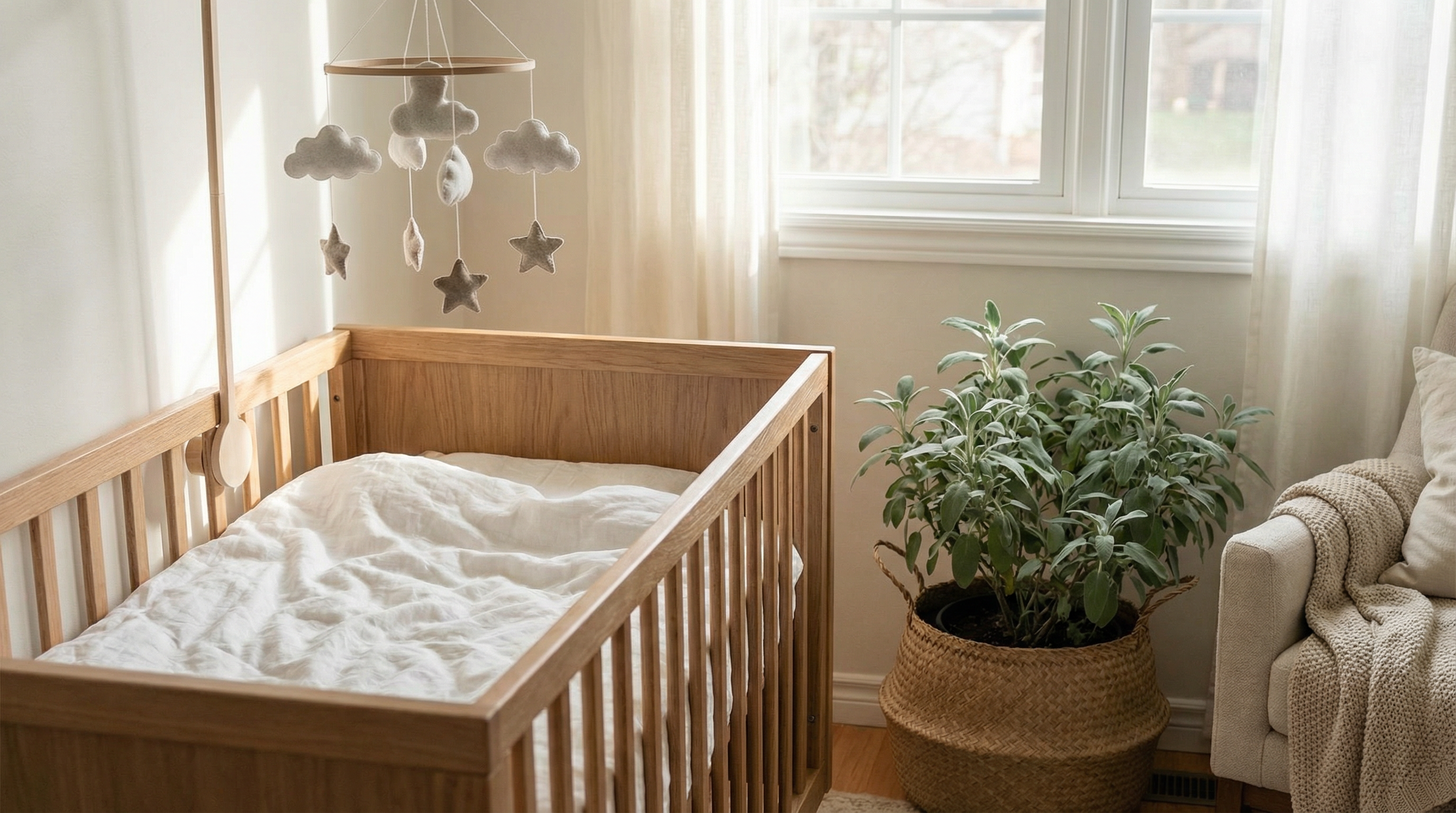
- Create a "sleep sanctuary" wherever you are: Replicate your baby's home sleep environment as much as possible. Bring familiar items like their sleep sack, lovey, or a portable sound machine. Darken the room as much as you can, even with travel blackout blinds or blankets. Ensure the temperature is comfortable.
- Practice "Le Pause" with grace: Even on vacation, the principle of Le Pause can be incredibly helpful. When your baby stirs or makes noise, take a brief observational pause before intervening. This gives them a moment to practice self-soothing without leaving them to cry, reinforcing trust and their ability to self-regulate.
- Respond with empathy and reassurance: If your baby is struggling, respond with warmth, understanding, and physical comfort. They're communicating a need, and your gentle response reinforces their trust. This is not the time for strict sleep training; it's a time for support, connection, and reassurance. For more on gentle sleep support, read about gentle sleep support vs. cry it out.
- Maintain feeding consistency: While schedules might shift, try to maintain consistent feeding patterns. Hunger can be a major disruptor of sleep. Ensure you are staying hydrated and nourished if breastfeeding, and have access to clean water for formula. Offering comfort feeds can help your baby feel secure and settle.
- Be present and mindful: The beauty of vacation is the opportunity to slow down and connect. Be present with your baby, observe their cues closely, and respond mindfully. This deep connection helps them feel safe and loved, which is the foundation for peaceful sleep, no matter where you are.
Tonight's Plan
Ready to make tonight's sleep a little smoother, even away from home? Here's a concrete, gentle action plan you can start right now to support your baby's sleep and your family's well-being:
- Recreate the familiar sleep environment: Before bedtime, meticulously set up your baby's sleep space to mimic home. Put on their familiar sleep sack, turn on the portable sound machine (if you use one), and ensure the room is as dark as possible. Use travel blackout blinds, tape up dark trash bags, or hang blankets over windows. Check the room temperature to ensure it's comfortable, ideally between 68-72°F (20-22°C).
- Implement a condensed wind-down ritual: Stick to a condensed version of your usual bedtime routine. A warm bath, a gentle massage, a quiet story, or a lullaby can signal to your baby that sleep is coming, even in a new place. Consistency in these cues is key for creating the perfect bedtime routine, even a shortened one. Avoid screen time or overly stimulating activities.
- Observe and respond gently with Le Pause: Once your baby is in their sleep space, practice Le Pause. If they fuss or stir, wait a moment (30-60 seconds) to see if they resettle themselves. If they continue to cry, respond with comfort, but try to keep interactions calm, quiet, and brief to avoid overstimulating them. Offer a feed if it's time, a gentle pat, or soothing words.
- Prioritize naps, even imperfect ones: Even if naps are shorter, in a carrier, stroller, or car seat (always supervised), try to ensure your baby gets enough daytime sleep. Overtiredness is the enemy of night sleep. If a crib nap isn't happening, embrace contact naps or naps on the go. Focus on total daytime sleep rather than the location or duration of individual naps.
- Be kind to yourself and embrace flexibility: Remember that this is a temporary situation. You're doing a great job navigating a challenging situation. Focus on connection and comfort, and know that you can always get back to your regular rhythm when you return home. Give yourself grace, lower your expectations for perfect sleep, and celebrate the small wins.
- Adjust to the new time zone gradually (if applicable): If you've crossed time zones, begin adjusting your baby's schedule by 15-30 minutes each day a few days before you travel, if possible. Once you arrive, immediately switch to the new time zone for all activities. Expose your baby to natural light during the day to help reset their circadian rhythm, and keep their sleep space dark at night.
FAQ section
How do I handle jet lag with my baby?
For every hour of time difference, it can take a baby about a day to adjust. Start shifting your baby's schedule by 15-30 minutes each day a few days before you travel, if feasible. Once you arrive, immediately switch to the new time zone for all activities, including feeds and naps. Expose them to natural light during the day, especially in the mornings, and keep their sleep space dark at night. Be patient and consistent; it takes time for their internal clock to reset. Prioritize naps and consistent feeding times according to the new time zone to help them adapt.
Should I bring my baby's crib or use a travel crib?
If possible, bringing your baby's familiar sleep environment, like a pack-n-play they are used to, can be very helpful as it provides a sense of continuity and security. If not, ensure the travel crib or bassinet provided is safe and meets current safety standards. Set it up a few hours before bedtime so your baby can get used to seeing it and perhaps play in it. You can also place a familiar blanket or sheet from home, or a lovey, in the crib to add a comforting scent and visual cue of home.
What if my baby won't nap on vacation?
Naps can be the trickiest part of travel sleep. Don't stress about perfect crib naps. Focus on getting sleep wherever and however you can, whether it's in a stroller, carrier, car seat (always supervised), or through contact naps. Even short, frequent naps are better than no naps at all to prevent overtiredness, which is the enemy of night sleep. Be flexible and creative with nap locations, and remember that some daytime sleep is always better than none.
How can I manage nighttime wakings in a new place?
Expect some increased nighttime wakings in a new environment. Respond gently and reassuringly. Offer comfort, a feed if needed, and then try to return them to their sleep space. Avoid turning on bright lights, engaging in playtime, or prolonged conversations. The goal is to convey that night is for sleep, even if it takes a little longer to settle. Your calm presence and gentle responses will help them feel secure and guide them back to sleep. Remember, responding to your baby builds trust.
How do I maintain my baby's safety in an unfamiliar sleep environment?
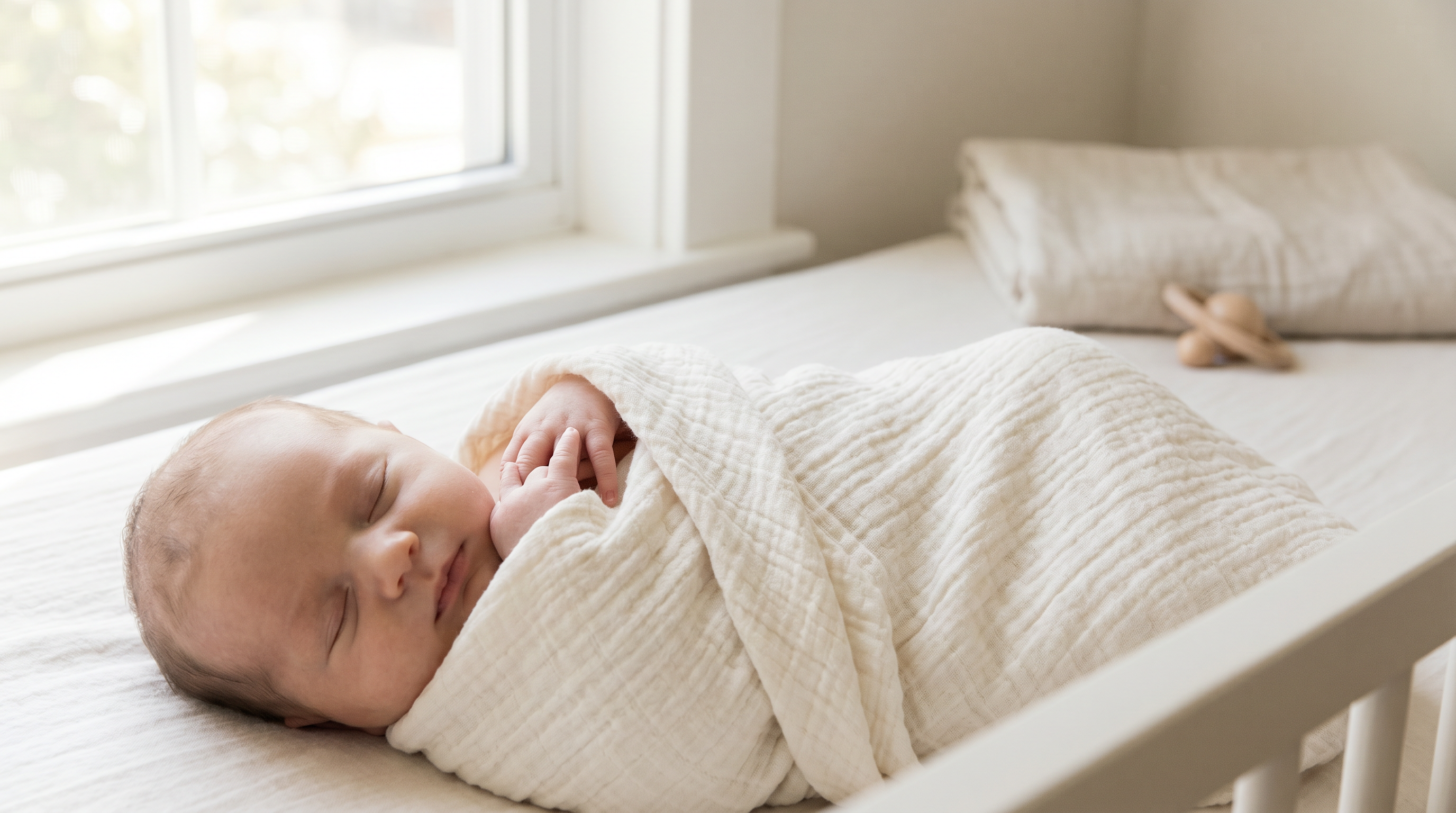
Always prioritize safe sleep guidelines. Ensure the sleep surface is firm and flat, free of loose blankets, bumpers, or toys. If using a travel crib, make sure it's properly assembled and in good condition. Check for any hazards in the room, such as cords, small objects, or unstable furniture. If co-sleeping, ensure you follow safe co-sleeping practices, or consider a side-car bassinet for close proximity with a separate sleep surface. Never leave your baby unattended on an adult bed.
Conclusion
Traveling with a baby can be an incredible experience, and it doesn't have to mean sacrificing sleep or your gentle parenting values. By understanding the challenges, avoiding common pitfalls, and applying the principles of The Gentle Night Method, you can navigate baby sleep on holidays and vacations with confidence and compassion. Remember, your responsiveness builds trust, and a secure baby is a happy baby, whether at home or exploring the world. You don't have to choose between sleep and attachment; you can have both. For more personalized guidance, explore our Newborn Guide, or if you're looking for support with older babies, check out our 3-4 Months Guide. You can also find valuable insights on how to build secure attachment and get more sleep.
Ready to reclaim your nights and enjoy more peaceful sleep, even after your travels? Download our free nap guide today!