Sleep Environment

How to Create a Calm Sleep Environment for Sensitive Babies: Your Guide to Peaceful Nights

7 min readMarch 25, 2026Sleeping Baby GuideSave to Pinterest

As a parent of a sensitive baby, you know that bedtime can often feel like navigating a minefield. Every little sound, every subtle change in light, and even the texture of their pajamas can feel amplified, making the journey to sleep a challenging one. You long for peaceful nights, not just for your baby, but for your own well-being, yet the path to achieving this often feels elusive and fraught with frustration. We understand completely; you're not alone in this unique parenting journey.

🌙A gentle note: Every family is different, and we believe you know your baby best. The information in this article is for educational purposes and reflects current safe sleep guidance. When trying anything new, trust your instincts and check in with your pediatrician if you have questions. You are doing a wonderful job.

Why This Happens

Sensitive babies, often referred to as highly sensitive infants, experience the world with a heightened awareness. Their nervous systems are simply wired to process sensory information more deeply and intensely than others. This isn't a flaw or a challenge to be overcome, but rather a unique temperament that shapes their interactions with their environment, especially when it comes to sleep. Imagine every sound being a little louder, every light a little brighter, and every touch more pronounced. For these little ones, the transition from wakefulness to sleep requires a finely tuned environment that respects their delicate sensory processing.

This heightened sensitivity is deeply intertwined with their need for secure attachment. Babies are born utterly dependent on their caregivers for survival and regulation. For a sensitive baby, this need for co-regulation is even more pronounced. When their environment feels overwhelming or unpredictable, their innate alarm system can be easily triggered, making it difficult to relax into sleep. They look to their parents for cues of safety and calm. A secure attachment, built on consistent, responsive care, provides the emotional scaffolding they need to feel safe enough to surrender to sleep, even when their internal world is buzzing with sensory input. Understanding this biological predisposition and their profound need for connection is the first step in creating a sleep environment that truly nurtures their unique needs.

What NOT to Do

In the quest for better sleep, it's easy to fall into traps that, while seemingly offering quick fixes, can actually be counterproductive for a sensitive baby and undermine the secure attachment you're working so hard to build. The most crucial cry-it-out mistake, and one we strongly advise against, is any form of cry-it-out or extinction method. For a sensitive baby, being left to cry alone can be deeply distressing, reinforcing feelings of insecurity and abandonment rather than fostering independent sleep. It teaches them that their cries for help go unanswered, which can erode the foundational trust you've established.

Another common pitfall is ignoring your baby's subtle cues. Sensitive babies often communicate their needs in nuanced ways. Dismissing a slight fuss or a change in body language as 'just being tired' without investigation can lead to escalation and overwhelm. Similarly, overstimulation before bedtime, such as bright lights, loud noises, or energetic play, can overload their already sensitive systems, making it nearly impossible for them to wind down. The goal is not to force sleep, but to gently guide them towards it by understanding and respecting their unique temperament.

The Gentle Night Method Approach

At Sleeping Baby Guide, our philosophy is rooted in the belief that secure attachment and good sleep are not mutually exclusive. In fact, they are deeply interconnected. For sensitive babies, a gentle, responsive approach is not just a preference, it's a necessity. Our Gentle Night Method provides a structured, step-by-step framework that honors your baby's unique temperament while guiding them towards more peaceful sleep. This method is built on empathy, understanding, and the profound power of your loving presence.

The core of the Gentle Night Method for sensitive babies involves creating an environment of predictable calm and consistent reassurance. We focus on establishing a rhythm that signals safety and prepares their delicate nervous system for rest. This isn't about rigid schedules, but about creating a flow that your baby can anticipate and trust. It involves a deep understanding of your baby's cues and responding to them in a way that builds their confidence and sense of security. We believe that every interaction, especially around sleep, is an opportunity to strengthen your bond and teach your baby that they are safe, loved, and heard.

A key component of our approach, inspired by French parenting traditions, is the concept of Le Pause. This brief, observational pause before immediately responding to nighttime sounds allows you to differentiate between a baby who is genuinely distressed and one who is simply transitioning between sleep cycles or making normal sleep noises. For a sensitive baby, this pause is not about neglect, but about giving them a moment to potentially self-settle within the safety of your presence, knowing you are there if truly needed. It's a subtle yet powerful tool that empowers both parent and baby, fostering a sense of gentle independence within a secure framework.

Our method emphasizes that sleep improvement for sensitive babies is a journey of connection, not separation. It's about fine-tuning their environment, understanding their unique sensory world, and responding with unwavering love and patience. By doing so, you're not just helping them sleep better; you're nurturing their emotional well-being and building a foundation of trust that will last a lifetime.

Tonight's Plan: Gentle Steps for a Calmer Sleep Environment

Ready to make a difference tonight? Here’s a concrete, gentle plan you can start implementing immediately to help your sensitive baby find more peaceful sleep. Remember, consistency and patience are your best allies.

Step 1: Optimize the Sleep Environment

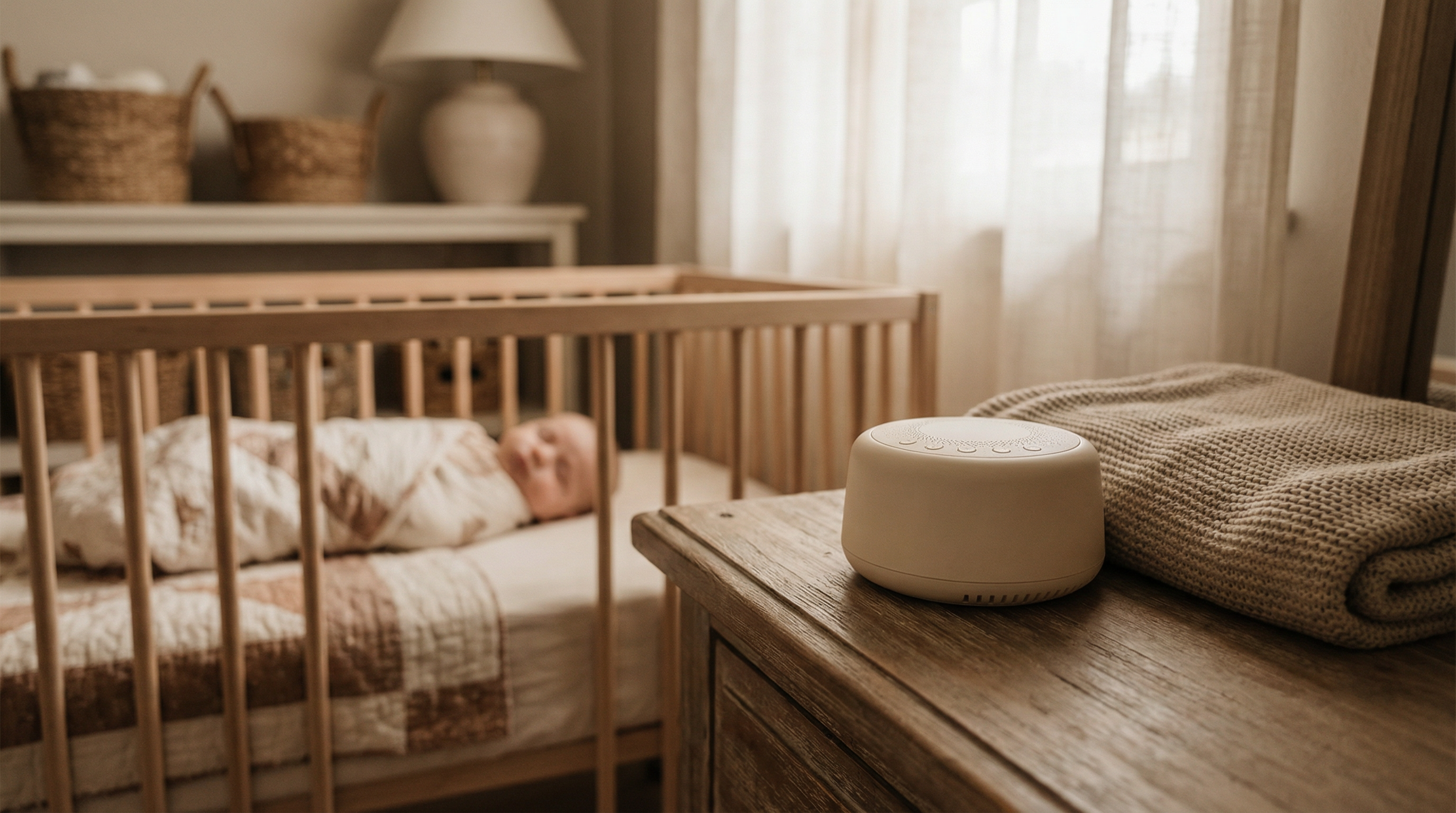
For a sensitive baby, their sleep space is paramount. Think of it as their sanctuary, carefully curated to minimize sensory overload. Start by making the room as dark as possible. Even a sliver of light can be stimulating. Use blackout curtains or blinds that completely block out external light. Next, consider the temperature. Sensitive babies often sleep best in a cool room, typically between 68-72°F (20-22°C). Use a room thermometer to ensure consistency. Introduce white noise to mask sudden household sounds that might startle them. A continuous, low-frequency white noise machine can create a soothing backdrop. Finally, think about scent. A gentle, calming scent, like a drop of lavender essential oil diffused away from the crib (ensure it's baby-safe and diluted), can signal relaxation. Ensure the room is clutter-free and visually calm.

Step 2: Establish a Calming Bedtime Routine

A predictable and sensory-friendly bedtime routine is a powerful tool for sensitive babies. It acts as a series of gentle cues, signaling that sleep is approaching. This routine doesn't need to be long, but it must be consistent. Start with a warm bath, which can be incredibly soothing. Follow with a gentle massage using baby-safe lotion, focusing on soft, rhythmic strokes. Dress your baby in comfortable, breathable sleepwear. Dim the lights throughout your home an hour before bedtime to start the wind-down process. Read a quiet story or sing a lullaby in a soft voice. The key is to make each step calm, predictable, and free from sudden changes or stimulating activities. This consistency helps their nervous system transition smoothly from wakefulness to rest.

Step 3: Practice Mindful Observation (Le Pause)

As you lay your baby down, or if they stir during the night, remember the power of Le Pause. Instead of immediately rushing in at the first sound, take a brief moment to observe. Is your baby truly distressed, or are they simply shifting, sighing, or making normal sleep noises as they transition between sleep cycles? This isn't about ignoring their needs, but about giving them the space to potentially resettle themselves within the secure knowledge that you are nearby. Often, sensitive babies can surprise us with their ability to self-soothe if given a moment. If their cries escalate or sound genuinely distressed, respond immediately with gentle reassurance.

Step 4: Responsive Comfort, Always

For sensitive babies, responsive comfort is non-negotiable. If your baby needs you, respond. This reinforces their sense of security and trust, which is foundational for good sleep. Your presence, a gentle touch, a soft whisper, or a brief feeding can be all they need to feel safe enough to return to sleep. Remember, responding to your baby builds trust and strengthens your attachment, proving that you are a reliable source of comfort. There is no need to choose between sleep and attachment; they thrive together.

Step 5: Nurture Yourself, Too

Parenting a sensitive baby can be incredibly rewarding, but also uniquely demanding. Your well-being directly impacts your ability to be a calm, responsive caregiver. Prioritize moments for yourself, even if it's just five minutes of deep breathing or a warm cup of tea. Seek support from your partner, friends, or family. Remember that you are doing an incredible job, and taking care of yourself is not selfish, it's essential for both you and your baby. A rested and regulated parent can better create a calm environment for their sensitive little one.

Frequently Asked Questions About Calm Sleep Environments for Sensitive Babies

Q1: How dark should the room be for a sensitive baby?

For a sensitive baby, the room should be as dark as possible, mimicking the darkness of the womb. This means using blackout curtains or blinds that completely eliminate any light leaks. Even small amounts of light can be stimulating for their heightened sensory systems, making it harder for them to produce melatonin and fall into a deep sleep. Think pitch black, where you can barely see your hand in front of your face. This signals to their brain that it's truly nighttime and time for rest.

Q2: What kind of white noise is best for a sensitive baby?

For sensitive babies, consistent, low-frequency white noise is generally most effective. Avoid sounds with too much variation or a distinct melody, as these can be stimulating rather than soothing. Look for white noise machines that offer a continuous, steady sound, such as a fan, static, or a gentle hum. The volume should be set to a level that masks household noises without being too loud or distracting itself, typically around the level of a soft shower. Place the white noise machine a few feet away from the crib, not directly next to it.

Q3: How do I know if my baby is truly sensitive or just overtired?

It can be challenging to differentiate between a sensitive baby and an overtired one, as both can exhibit similar behaviors like fussiness, difficulty settling, and frequent waking. However, a truly sensitive baby will often show signs of heightened reactivity to stimuli even when well-rested. They might startle easily, be particular about clothing textures, react strongly to bright lights or loud noises during the day, and generally seem more aware of their surroundings. Overtiredness, on the other hand, is usually a result of missed sleep cues or insufficient sleep, and often resolves with consistent, adequate rest. If your baby consistently struggles with sensory input regardless of their sleep schedule, sensitivity is a strong possibility. Observing their behavior throughout the day, not just at bedtime, can provide valuable clues.

Q4: Can I still co-sleep with a sensitive baby?

Co-sleeping can be a wonderful option for many families, especially those with sensitive babies, as it provides immediate comfort and reassurance. For a sensitive baby who thrives on proximity and connection, co-sleeping can foster a deep sense of security, making sleep transitions smoother. However, it's crucial to practice safe co-sleeping guidelines to ensure your baby's safety. This includes ensuring a firm sleep surface, no loose bedding, and no gaps where your baby could become trapped. Always prioritize safety while honoring your baby's need for closeness. Many parents find that room-sharing, with the baby in a bassinet or crib next to the parent's bed, offers a good balance of proximity and independent sleep space for sensitive infants.

Conclusion: Nurturing Sleep and Connection

Parenting a sensitive baby is a unique and often intense experience, but it is also an incredible opportunity to build a profound bond based on trust and understanding. By creating a calm sleep environment and embracing gentle, responsive methods like the Gentle Night Method, you are not only helping your baby achieve more peaceful sleep but also reinforcing the message that their needs are heard and valued. You don't have to choose between sleep and attachment; in fact, fostering secure attachment is the most powerful tool you have for nurturing healthy sleep habits in your sensitive little one. Every gentle response, every thoughtful adjustment to their environment, builds a foundation of security that allows them to thrive.

Ready to dive deeper into creating a peaceful sleep journey for your little one? Explore our comprehensive Newborn Guide for more gentle, age-appropriate strategies and support.

Ready to go deeper?

Get the complete step-by-step guide for your baby's age

This article covers the why. Our age-specific guides give you the exact what-to-do-tonight plan, with sample schedules, troubleshooting, and gentle scripts for every situation.

30-day money-back guarantee. No questions asked.

sensitive baby sleepcalm sleep environmentgentle parentingbaby sleep tips

Related Articles

Free Download

Get your free Nap Schedule Starter Pack

Wake windows by age, daily routines, and the number one mistake parents make at naptime. Instant download.

No spam, ever. Unsubscribe anytime.