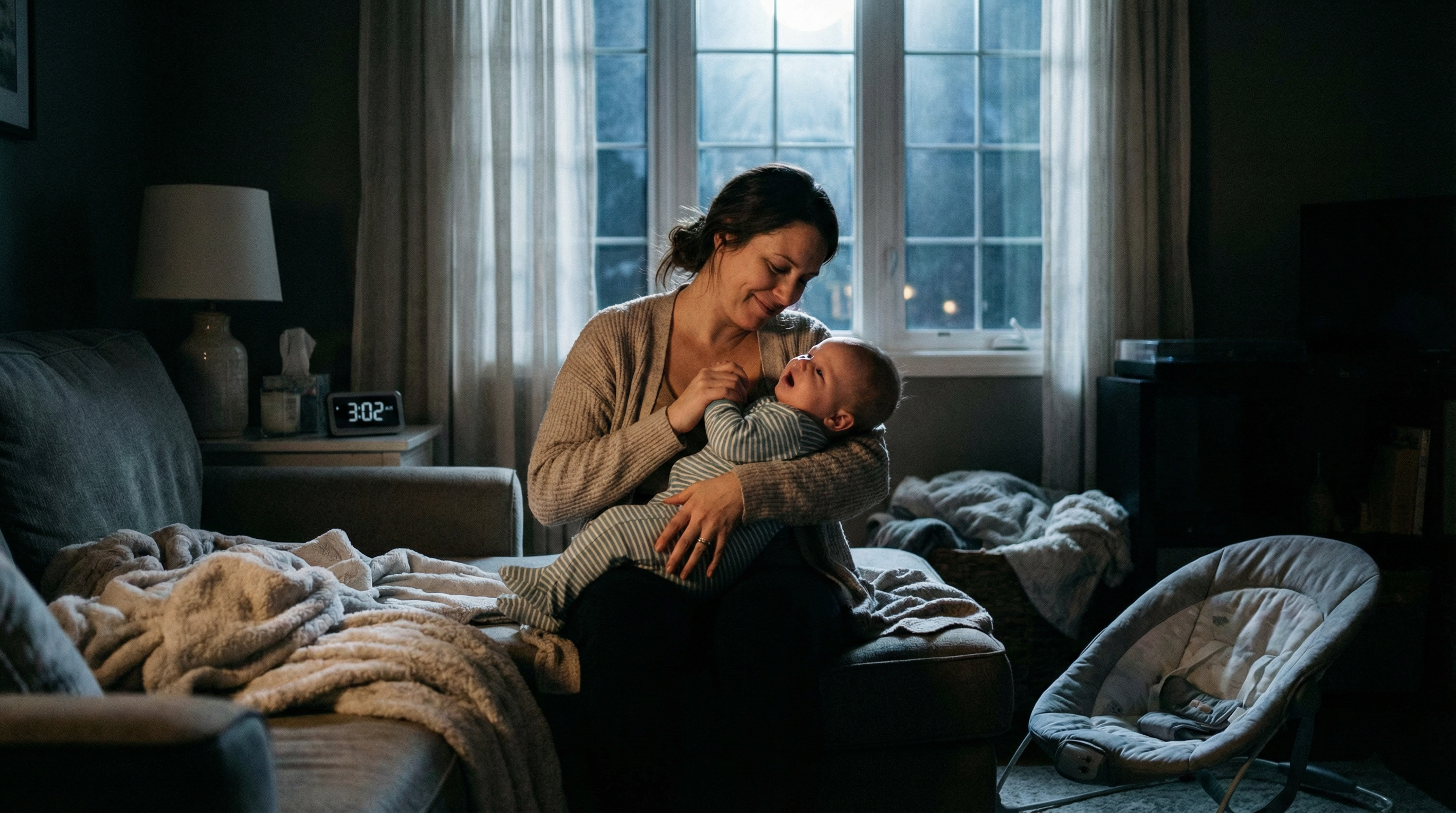
How to Get Baby Sleep Back on Track After Travel: A Gentle Guide
Traveling with a baby creates cherished family memories, but often disrupts sleep. New places, different beds, and altered schedules can throw even the most consistent little sleepers off track. If your little one's sleep schedule has gone awry after a trip, leaving you both exhausted and frustrated, you're not alone. Many parents wonder how to get baby sleep back on track after travel. The good news is, with a gentle, responsive, and empathetic approach, you can help your baby return to peaceful slumber without harsh methods.
Understanding Travel's Impact on Baby Sleep
Before diving into solutions, it's helpful to understand why travel is so disruptive. Babies thrive on predictability, routine, and security. Travel introduces new environments, different time zones, and significantly altered daily routines, all of which play a substantial role in unsettling their delicate internal clocks and comfort levels. The primary keyword, "how to get baby sleep back on track after travel," truly encapsulates a common concern for parents navigating these changes.
Remember, your baby isn't intentionally being difficult; they are simply reacting to a profound shift in their world. Their developing nervous system works overtime to process new sights, sounds, smells, and sensations, which naturally manifests as sleep challenges. Changes in light exposure, noise levels, and even the subtle scent of a new place can contribute to difficulty settling or staying asleep. Acknowledging these factors with empathy is the first step towards gentle recovery.
The Gentle, Responsive Approach to Sleep Recovery
At SleepingBabyGuide.com, our core philosophy is a gentle, no-cry-it-out approach to all sleep challenges. We firmly believe the parent-child bond is sacred, and nighttime parenting is as vital as daytime parenting. Our framework is rooted in responsive care, actively acknowledging that babies communicate their needs, and our role is to respond with intention, not anxiety. This means we NEVER recommend leaving a baby to cry alone. Such methods are distressing for both baby and parent, and go against our core values.
Instead, we focus on attunement, deeply understanding and responding to your baby's cues, and creating a secure, loving environment where your baby feels safe and cherished, even when their sleep is a bit off. As Dr. attachment science research suggests, prolonged crying can significantly elevate cortisol levels, detrimental to a developing brain and secure attachment. Our goal is to guide you through this process with immense empathy, understanding, and practical, actionable advice that honors both your baby's needs and your well-being.
Practical, Step-by-Step Strategies to Restore Sleep Routines
Getting back on track after travel disrupts baby sleep requires patience, consistency, and compassion. Here’s a detailed, step-by-step guide to gently re-establish healthy sleep patterns and bring peace back to your nights and days:
- Prioritize Consistent Bedtime and Wake-up Times: This is foundational. Even if naps are erratic, make a concerted effort to maintain a consistent bedtime and wake-up time daily. This unwavering consistency is paramount for re-regulating your baby's internal circadian rhythm. Exposure to natural light after waking and dimming lights in the evening further supports this biological reset. Aim for these times to be as close as possible to their pre-travel schedule, gently nudging them awake if needed.
- Diligent Re-establishment of the Bedtime Routine: Your baby's familiar bedtime routine is an incredibly powerful psychological and physiological cue for sleep. It signals to their body and mind that the day is winding down and sleep is approaching. Whether it's a warm bath, a gentle massage, reading a favorite book, a quiet song, or a final feeding, performing these comforting steps in the same, predictable order each night helps your baby feel secure, understand what's coming next, and transition smoothly into sleep mode. Consistency here provides emotional security.
- Thoughtful Focus on Naps, But Without Stress: While consistent and restorative naps are important for preventing overtiredness, it's vital not to let them become an additional source of stress. An overtired baby will almost always struggle more at night, making nap recovery a key component of overall sleep recovery. Try to offer naps at their usual times, in their usual sleep environment if possible, even if they are shorter or more challenging initially. If a nap is missed or cut short, consider an earlier bedtime for that night to help compensate and prevent cumulative overtiredness. Remember, progress, not perfection, is the goal.
- Embrace "Le Pause" for Night Wakings with Intention: When your baby stirs, fusses, or makes sounds during the night, resist the immediate urge to intervene. Instead, practice "Le Pause," the renowned French technique of briefly observing for 1-3 minutes before responding. This isn't about ignoring your baby; it's about giving them a precious window of opportunity to naturally transition between sleep cycles or to practice self-settling skills. It's a crucial distinction from cry-it-out methods. "Le Pause" is about attunement, not abandonment; it's about giving them space to discover their own ability to fall back asleep, knowing you are always there if they truly need you.
- Optimize the Sleep Environment for Comfort and Security: Ensure your baby's sleep space is as dark, quiet, and cool as possible. Use high-quality blackout curtains or portable blackout blinds to block out all external light, especially important with time zone adjustments. A white noise machine can mask sudden household sounds, creating a consistent auditory environment. The ideal room temperature for sleep is generally between 68-72°F (20-22°C). Familiar items, such as a beloved sleep sack or a special lovey (age-appropriate), can provide immense comfort and a sense of security in their own bed.
- Gentle and Responsive Nighttime Feedings: If your baby is still waking for night feeds, continue to respond to their hunger cues with warmth and responsiveness. Keep these feedings as calm, quiet, and dark as possible to reinforce that nighttime is primarily for sleep. Avoid bright lights, stimulating conversation, or prolonged play. After feeding, gently return them to their sleep space. Gradually, as their schedule normalizes and they are well-fed during the day, they may naturally begin to reduce night wakings. Always consult with your pediatrician regarding feeding schedules and your baby's nutritional needs.
Supporting Your Baby's Adjustment with Love and Patience
Remember, adjusting after travel takes time, and it's a process, not an event. Be patient with your baby, and perhaps even more importantly, be patient and kind with yourself. There will undoubtedly be good nights and more challenging nights, and that is perfectly normal. Your warm, empathetic presence, your consistent love, and your unwavering support are the most important factors in helping your baby feel secure, loved, and capable of navigating this transition. Focus on connection and attunement, trust your instincts, and have faith that your baby will find their way back to restful sleep with your gentle guidance. This journey is a testament to the strength of your parent-child bond.
Key Takeaways for Restoring Baby Sleep After Travel
- Gentle Consistency: Re-establish routines with patience and a no-cry-it-out approach.
- "Le Pause" is Attunement: Observe briefly before responding to encourage self-settling.
- Responsive Parenting: Prioritize your baby's emotional needs and secure attachment.
- Optimize Sleep Environment: Create a dark, quiet, and cool sleep space.
- Patience and Self-Compassion: Adjustment takes time; be kind to yourself and your baby.
Conclusion
Navigating sleep disruptions after travel can feel overwhelming, especially when you're already tired. However, by embracing a gentle, responsive, and evidence-based approach, you can empower your little one to gracefully return to their regular, restorative sleep patterns. Remember, you are doing an amazing job, and your dedication to your baby's well-being shines through every gentle cuddle, every reassuring word, and every patient moment. Your love is their anchor. For more personalized guidance and a wealth of resources on nurturing healthy sleep habits, we invite you to explore our comprehensive free guide at /free-guide or discover supportive, gentle products in our /shop. We're always here to support you on your beautiful, sometimes challenging, parenting journey, every step of the way.
 Sleep Regressions