How to Get Your Baby to Nap Longer Than 30 Minutes
Many parents wonder how to get their baby to nap longer than 30 minutes. The "30-minute nap curse" is frustrating, but gentle, responsive methods can encourage longer, restorative naps without cry-it-out. At SleepingBabyGuide.com, we prioritize the parent-child bond and offer warm, empathetic, evidence-based advice to help your baby nap longer, fostering secure attachment and a healthy nervous system.
Understanding the 30-Minute Nap Phenomenon
Many babies take short naps due to their natural sleep cycles, which are shorter (30-45 minutes) than adults’. The 30-minute mark often coincides with a transition to lighter sleep. If babies haven’t learned to connect cycles independently or are disrupted, they wake. This is a normal developmental stage; our goal is gentle guidance.
The Science Behind Baby Sleep Cycles
Babies cycle from active (REM) to quiet (non-REM) sleep. Active sleep is lighter, quiet sleep is deeper. The transition is vulnerable; some babies need help connecting cycles. Understanding this fosters patience and empathy.
Creating the Optimal Nap Environment for Longer Naps
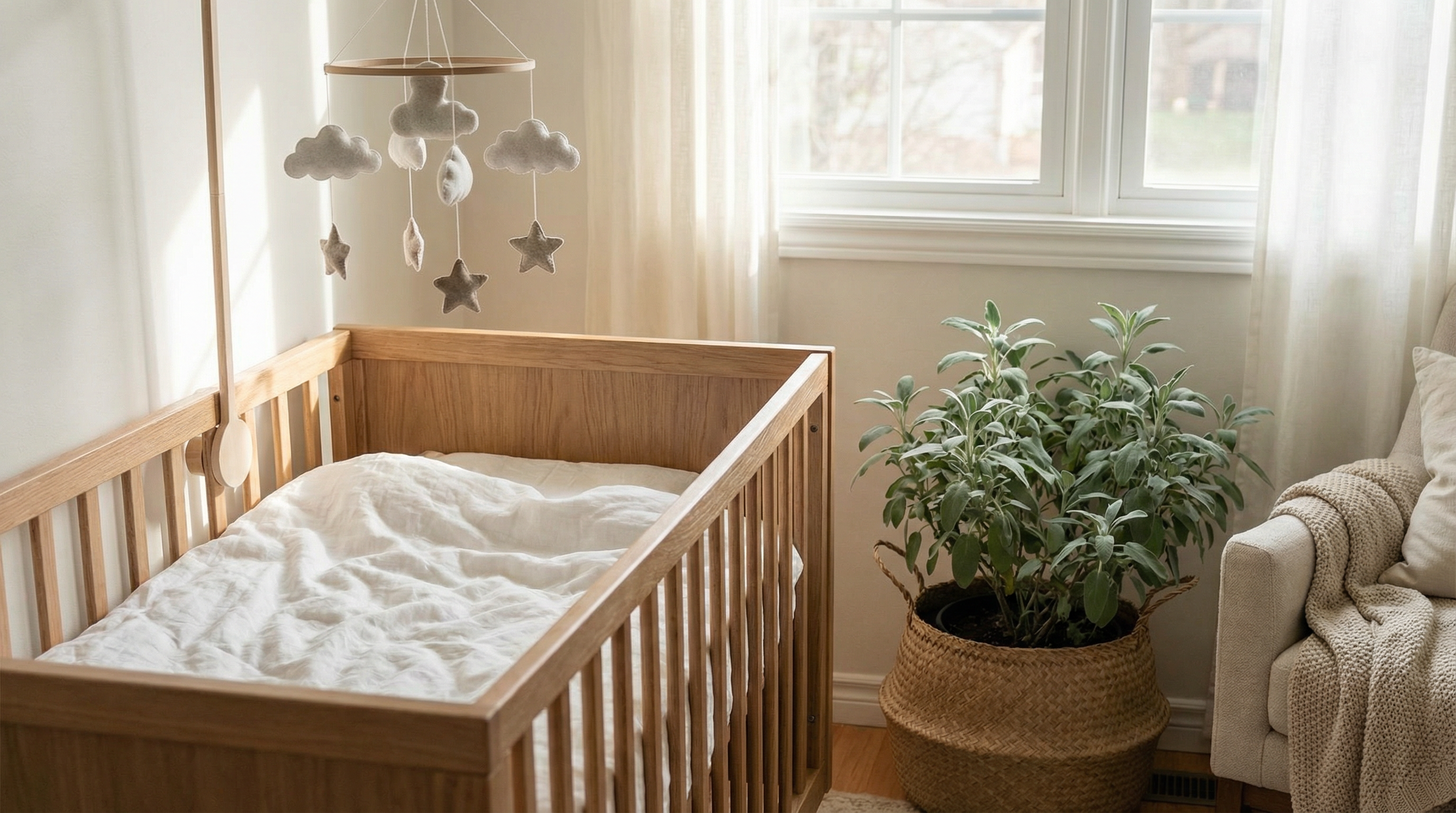
An optimal sleep environment is crucial for longer naps. Babies, like adults, need a comfortable, peaceful space that signals sleep, supporting deep, uninterrupted rest.
Darkness is Your Friend
Darkness is essential. Light disrupts melatonin, so a truly dark room signals sleep and prevents stimulation from shadows or objects during sleep cycle transitions. Use blackout blinds or curtains.
The Power of White Noise
White noise can extend naps by mimicking the womb and masking disruptive household sounds. Use a continuous, low-frequency white noise machine or app, placed safely away from the crib.
Optimal Room Temperature
Maintain an optimal room temperature of 68-72 degreeF (20-22 degreeC). Overheating causes wake-ups. Dress your baby in appropriate sleepwear like a sleep sack, avoiding excessive layers. Check their temperature on their chest or back.
Gentle Strategies to Help Your Baby Nap Longer
With the environment optimized, let’s explore gentle, responsive strategies for longer naps. Our approach emphasizes attunement, never abandonment or cry-it-out.
1. The "Le Pause" Technique: Observing with Intention
The "Le Pause" technique, inspired by French parenting, encourages independent sleep transitions. When your baby stirs after a short nap, pause for 1-3 minutes to observe. Are they truly awake or just transitioning? Often, babies resettle themselves. This is not cry-it-out; it’s giving space for self-soothing while remaining attuned. Respond if fussing escalates.
2. The "Wake Window" Sweet Spot
Overtiredness, caused by cortisol, leads to short naps. Undertired babies also struggle. Find your baby’s optimal "wake window"--the time they comfortably stay awake between sleeps. This varies by age (newborns: 45-60 mins; older babies: 2-3 hours). Observe sleepy cues (yawning, eye rubbing) and put them down before overtiredness sets in.
3. Consistent Naptime Routine
A consistent naptime routine, similar to bedtime, signals restorative sleep. A short, predictable sequence--like a diaper change, cuddle, and book--helps regulate your baby’s internal clock and prepares them for sleep.
4. The "Nap Trap" Avoidance
Avoid the "nap trap" of only napping in motion (stroller, car). While better than no nap, these are often shorter. Prioritize at least one or two naps daily in their designated sleep space to help them associate it with sleep and practice connecting cycles.
5. Responsive Resettling
If "Le Pause" doesn’t resettle your baby, gently encourage them back to sleep with a hand on their chest, pat, shushing, or a quick cuddle before returning them drowsy but awake. The goal is to extend the nap without fully waking them or creating new sleep associations, fostering secure attachment and a healthy nervous system.
Key Takeaways for Longer Naps
- Understand Sleep Cycles: Babies have shorter sleep cycles, typically 30-45 minutes. The 30-minute mark often signifies a transition to lighter sleep, which can lead to waking if they haven’t learned to connect cycles.
- Optimize Environment: A dark room (using blackout blinds), consistent white noise (to mask disruptions), and a cool room temperature (68-72 degreeF or 20-22 degreeC) are crucial for creating a conducive sleep space that encourages longer, uninterrupted naps.
- Practice "Le Pause": This gentle technique involves observing your baby for 1-3 minutes when they stir after a short nap. It allows them the opportunity to resettle themselves and connect sleep cycles without immediate intervention, fostering self-soothing skills.
- Mind Wake Windows: Avoid overtiredness, which can shorten naps. Learn your baby’s optimal wake window (the time they can comfortably stay awake between sleeps) and put them down for a nap at the first signs of tiredness, before they become overly fatigued.
- Establish Routines: A short, consistent naptime routine helps signal to your baby that it’s time for sleep. This predictability aids in regulating their internal clock and prepares them for restorative rest.
- Responsive Resettling: If your baby wakes early and "Le Pause" isn’t enough, gently assist them back to sleep with a hand on their chest, shushing, or a quick cuddle. The goal is to extend the nap without fully waking them, always maintaining a responsive and empathetic approach.
Conclusion: Nurturing Longer Naps with Love and Patience
Nurturing longer naps requires patience, observation, and a gentle, responsive approach. Every baby is unique. Respond with intention, prioritizing the parent-child bond. By optimizing the sleep environment and using strategies like "Le Pause" and mindful wake windows, you foster security and trust, benefiting your baby’s development. You’re doing great! For more guidance, explore our free guide or visit our shop. Your baby can nap longer with love and understanding.
 Naps
Naps