How to Use a Sleep Sack Instead of a Swaddle: A Gentle Transition Guide
Welcoming a new baby into your life is a journey filled with immense joy, profound love, and, let's be honest, a fair share of questions, especially when it comes to sleep. As your little one grows, so do their needs, and one common transition many parents navigate is moving from a swaddle to a sleep sack. This guide will walk you through this important step with warmth, empathy, and a gentle approach, ensuring your baby continues to feel secure and sleep soundly.
Understanding the Swaddle to Sleep Sack Transition
The swaddle has been a beloved tool for centuries, mimicking the snug embrace of the womb and helping newborns feel safe, preventing the startle reflex that can wake them. However, there comes a time when the swaddle is no longer safe or appropriate. The American Academy of Pediatrics (AAP) recommends discontinuing swaddling when your baby shows signs of attempting to roll over, which can happen as early as 2 months of age. Continuing to swaddle once a baby can roll can increase the risk of suffocation if they roll onto their stomach and cannot roll back.
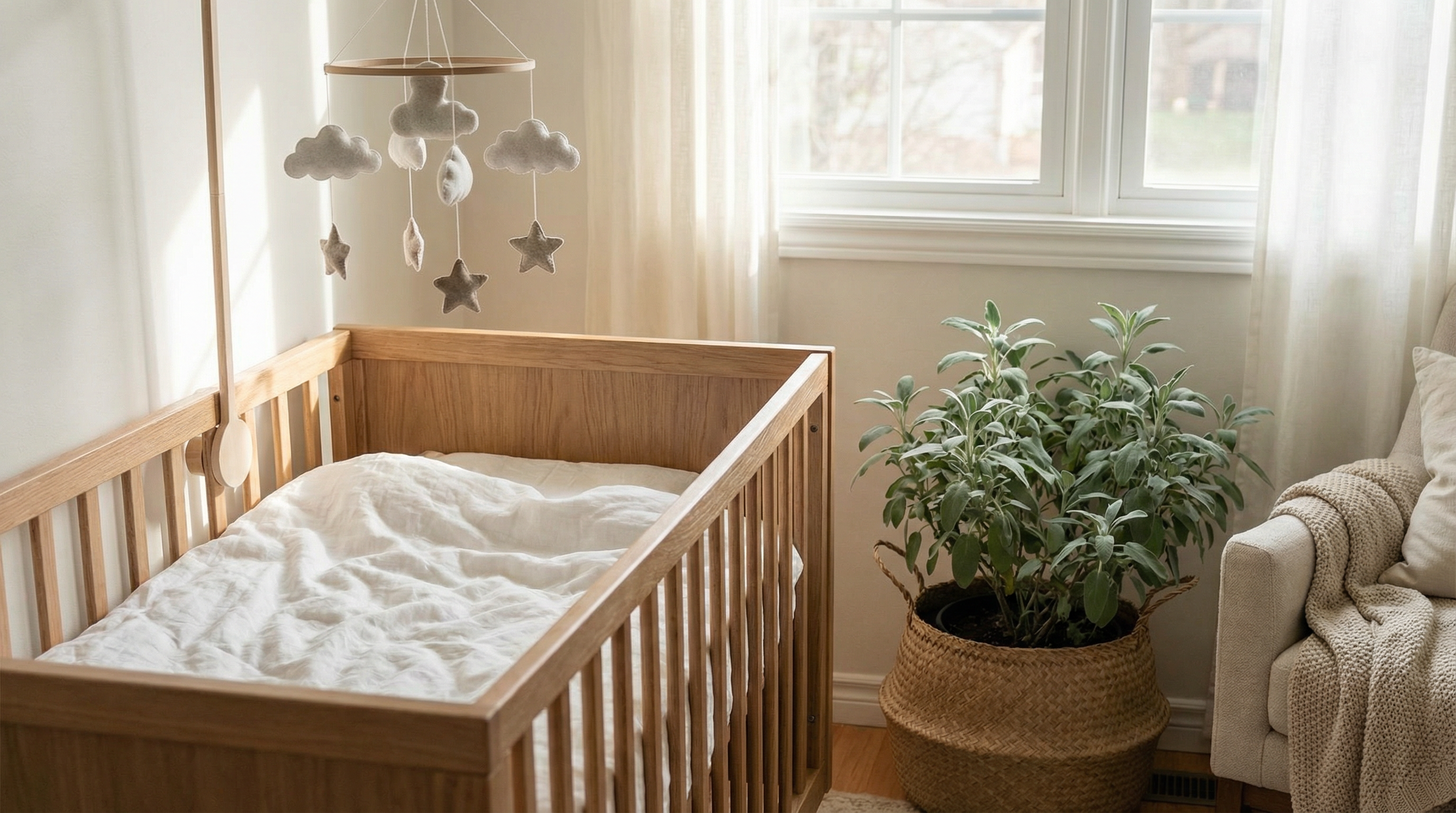
This transition isn't just about safety; it's also about fostering your baby's developing independence and allowing them more freedom of movement. A sleep sack, often called a wearable blanket, provides warmth without the risks associated with loose blankets in the crib. It allows your baby to move their arms and legs freely, which is crucial for their physical development and for self-soothing.
Why a Sleep Sack is the Next Best Step
Sleep sacks offer numerous benefits beyond safety. They provide a consistent sleep cue, signaling to your baby that it's time for sleep, much like a bedtime routine. They also ensure your baby stays warm throughout the night without the need for potentially hazardous loose bedding. This consistency and comfort can be incredibly reassuring for both baby and parent, making the transition smoother. Remember, nighttime parenting is parenting, and providing a safe, comfortable sleep environment is a cornerstone of responsive care.
When to Make the Switch: Signs Your Baby is Ready
Knowing the right time to transition from a swaddle to a sleep sack is key to a successful and gentle experience. Look for these clear signs:
- Rolling Over: This is the most critical indicator. If your baby is attempting to roll from their back to their stomach, even just once, it's time to stop swaddling immediately. This is a non-negotiable safety measure.
- Breaking Out of the Swaddle: If your baby consistently manages to get their arms out of the swaddle, it's a sign they desire more freedom of movement and the swaddle is no longer providing the secure feeling it once did.
- Increased Fidgeting and Discomfort: Some babies will simply seem more restless or unhappy when swaddled, indicating they're ready for a less restrictive sleep garment.
- Age: While not a strict rule, most babies are ready to transition between 2 to 4 months of age, aligning with developmental milestones like increased mobility.
A Gentle Transition Plan: How to Use a Sleep Sack Effectively
Transitioning doesn't have to be a stressful event. With a gentle, intentional approach, you can help your baby adapt beautifully. Remember, responsive parenting builds secure attachment and a healthy nervous system. We never recommend leaving a baby to cry alone. Instead, we approach this with attunement, not abandonment.
Here's a step-by-step guide to help you use a sleep sack instead of a swaddle:
- Introduce the Sleep Sack Gradually: Start by using the sleep sack for naps during the day. This allows your baby to get used to the feeling of the sleep sack in a lower-stakes environment. If they seem comfortable, you can then introduce it for nighttime sleep.
- One Arm Out Method: If your baby is particularly attached to the swaddle, you can try a gradual approach by swaddling with one arm out for a few nights. Once they adjust, you can then transition to both arms out in the sleep sack. This helps them slowly adapt to having their arms free.
- Maintain Your Bedtime Routine: Consistency is your best friend during any sleep transition. Continue with your established bedtime routine , bath, feeding, lullabies, cuddles , to provide a sense of familiarity and security. This routine acts as a powerful sleep cue.
- Choose the Right Sleep Sack: Select a sleep sack that is appropriate for your baby's size and the room temperature. Ensure it's not too big, as this can be a safety hazard, and not too small, which can restrict movement. Look for breathable fabrics like cotton or muslin. The TOG (Thermal Overall Grade) rating will help you choose the right warmth for your environment.
- Practice Daytime Exploration: Encourage plenty of tummy time and supervised playtime during the day. This helps your baby develop their motor skills and expend energy, which can contribute to better sleep at night.
- Be Patient and Observe: Every baby is different, and some may take longer to adjust than others. Be patient, offer comfort, and observe your baby for cues. Remember the French technique of "Le Pause" here: briefly observe (1-3 minutes) before responding to night sounds. This is not cry it out; it's attunement, not abandonment. It allows your baby to practice self-soothing and naturally transition between sleep cycles, reinforcing the idea that responsive parenting builds secure attachment and a healthy nervous system, as attachment science research suggests. Cortisol from prolonged crying harms developing brains, so respond with intention, not anxiety.
Addressing Common Concerns During the Transition
It's natural to have concerns during any sleep transition. Here are some common worries and how to address them with a gentle approach:
My Baby is Waking More Frequently
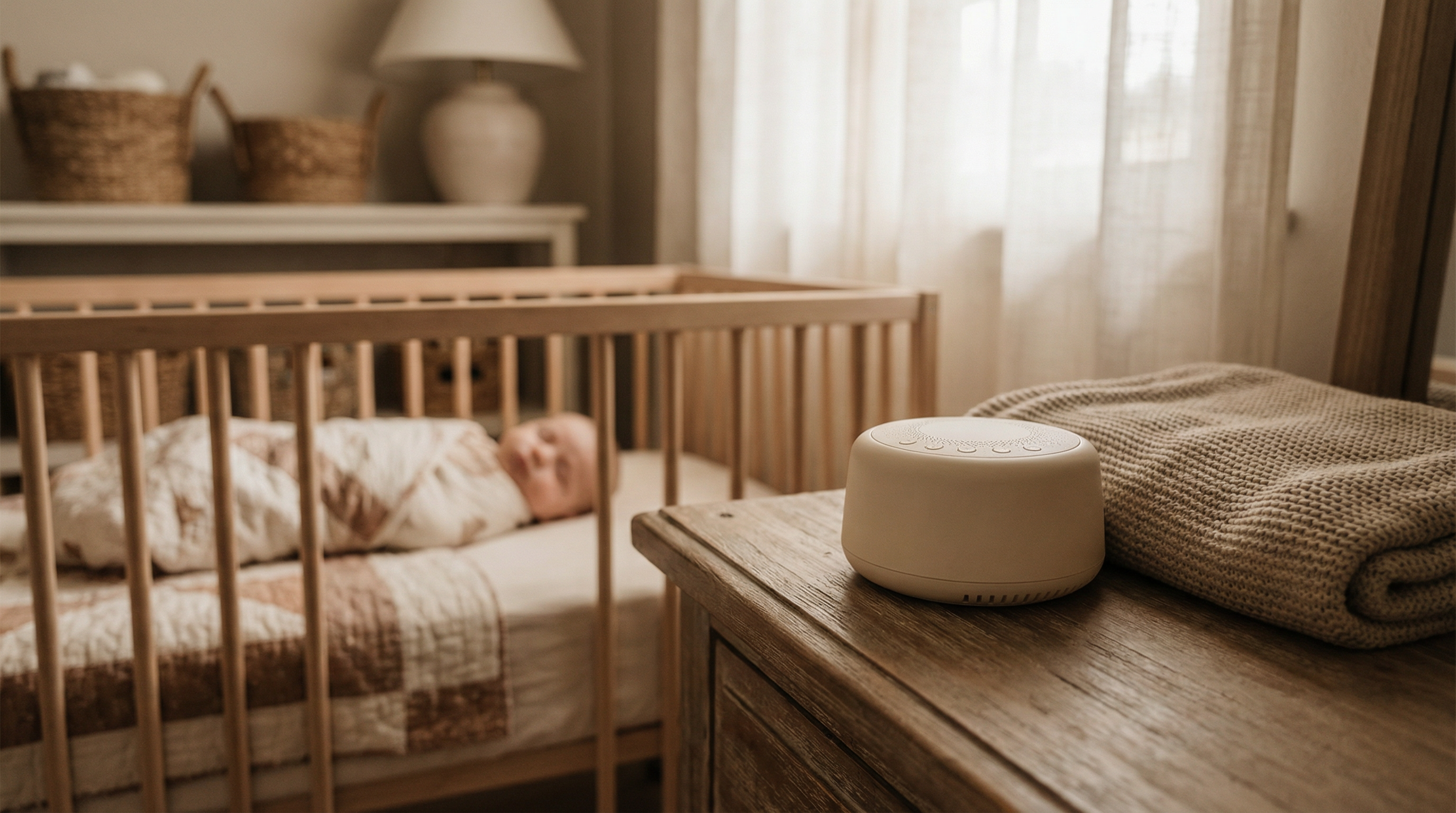
Increased night wakings can happen as your baby adjusts to the new freedom of movement. Continue to respond to your baby's needs with comfort and reassurance. This is a temporary phase. Ensure their sleep environment is optimal: dark, quiet, and at a comfortable temperature.Revisit the “Le Pause” technique, allowing a brief moment for your baby to resettle before intervening. This is about attunement, not abandonment, and supports their developing ability to connect sleep cycles.
My Baby Seems Cold in the Sleep Sack
Ensure you've chosen a sleep sack with an appropriate TOG rating for your room temperature. Dress your baby in layers underneath the sleep sack, such as a onesie and footed pajamas. Always check your baby's chest or back to gauge their temperature, rather than their hands or feet, which can often feel cooler. Overheating is a greater risk than being slightly cool, so aim for a comfortable, not overly warm, environment.
My Baby Still Startles Without the Swaddle
Some babies may continue to experience the startle reflex for a while after transitioning. This is normal. The freedom of movement in a sleep sack allows them to self-soothe by finding their hands or rubbing their face. You can also try offering a pacifier or gently placing a hand on their chest to provide comfort. Remember, your presence and reassurance are powerful tools in helping your baby feel secure.
Key Takeaways for a Smooth Transition
- Safety First: Stop swaddling as soon as your baby shows signs of rolling over.
- Gradual Introduction: Start with naps, then move to nighttime sleep.
- Consistency is Key: Maintain your established bedtime routine.
- Right Fit, Right Warmth: Choose a sleep sack appropriate for size and temperature.
- Patience and Observation: Every baby is unique; be patient and respond to their cues.
- Responsive Parenting: Embrace the "Le Pause" technique and attachment science research, prioritizing attunement over abandonment.
Conclusion: Embracing the Next Chapter of Sleep
Transitioning from a swaddle to a sleep sack is a significant milestone in your baby's development, marking their growing independence and your evolving journey as a parent. It's a testament to your responsive parenting, building a secure attachment and a healthy nervous system for your little one. Remember, you are doing an amazing job, and every step you take with intention and empathy strengthens that sacred parent-child bond. This transition, like all others, is an opportunity to deepen your understanding of your baby's unique needs and respond with love and patience.
For more gentle sleep guidance and resources, explore our comprehensive collection of articles and tools. You're not alone in this beautiful journey. Visit our /free-guide for additional support and insights into nurturing your baby's sleep.
Ready for better nights?
Our gentle sleep guides give you a step-by-step plan that works with your baby's biology - no cry-it-out, no extinction.
 Sleep Environment