Safe Co-Sleeping Basics for Exhausted Parents Who Want More Sleep Tonight
Meta Description: Discover gentle, safe co-sleeping basics for exhausted parents. Learn how to create a secure sleep environment and get more rest tonight with Sleeping Baby Guide.
🌙A gentle note: Every family is different, and we believe you know your baby best. The information in this article is for educational purposes and reflects current safe sleep guidance. When trying anything new, trust your instincts and check in with your pediatrician if you have questions. You are doing a wonderful job.
Opening Paragraph
As a new parent, the exhaustion can feel all-consuming. You're desperate for more sleep, and the idea of having your little one close by, offering comfort and easier nighttime feeds, sounds like a dream. Many parents find themselves wondering if co-sleeping is a safe and gentle option to reclaim some much-needed rest. You're not alone in seeking solutions that prioritize both your baby's well-being and your own sanity.
Why This Happens
Human babies are born with an innate need for closeness and connection, a biological imperative often referred to as the fourth trimester. During this crucial period, newborns thrive on physical proximity to their caregivers, finding comfort and security in their presence. This deep-seated need for connection is not a modern phenomenon; for centuries, and in many cultures today, co-sleeping, or bed-sharing, has been a natural and common practice. This practice is rooted in evolutionary biology, where proximity to a parent offered protection and ensured survival. When babies sleep close to their parents, they often sleep more soundly, benefiting from the sensory input of their parent's presence. They can hear their parent's breathing, feel their warmth, and sense their movements, all of which contribute to a regulated physiological state. This proximity has been shown to help regulate a baby's breathing, heart rate, and even body temperature, fostering a profound sense of security that is crucial for their healthy development. The frequent waking of infants, especially during the newborn phase, is also a biological norm, driven by their rapid growth and immense need for regular nourishment. A baby's stomach is tiny, requiring frequent refills, and their developing brains are constantly processing information, leading to shorter sleep cycles. Co-sleeping can make these frequent night wakings and feedings much more manageable for exhausted parents. Instead of fully waking and getting out of bed, parents can often respond to their baby's cues with minimal disruption, allowing for quicker transitions back to sleep for both parent and baby. This ease of access for feeding and comforting can significantly reduce parental sleep deprivation, making the challenging early months more sustainable. Furthermore, the close physical contact during co-sleeping can promote stronger parent-infant bonding, enhancing the attachment relationship that is so vital for a child's emotional well-being. It's a natural dance between parent and child, responding to innate needs for connection and sustenance throughout the night.
What Most Parents Try First (And Why It Doesn't Stick)
In a quest for more sleep, many parents initially try to establish strict sleep schedules or encourage independent sleep from a very young age. The prevailing cultural narrative often pushes for babies to sleep through the night in their own cribs, leading parents to believe that early independence is the hallmark of good parenting. They might attempt to put their baby down "drowsy but awake," hoping this will magically teach self-soothing. Or, they might try various sleep training methods that involve leaving the baby to cry for extended periods. While these approaches are often well-intentioned and born out of a genuine desire for rest, they frequently don't stick because they go against a baby's natural biological needs for closeness and responsive care. For parents who value gentle parenting and attachment, these methods can feel deeply counterintuitive and often lead to increased stress, guilt, and a sense of failure. The baby's innate need for comfort and reassurance often overrides these attempts at forced independence, leading to prolonged crying, fragmented sleep for everyone, and a strained parent-child connection. The pressure to conform to societal expectations of independent sleep can also lead to feelings of inadequacy when these methods don't yield the desired results, leaving parents even more exhausted and disheartened than before. It's important to remember that every baby is unique, with their own temperament and developmental timeline. What works for one family may not work for another, and what works for one baby may not work for their sibling. The key is to find solutions that align with your family's values, your baby's developmental stage, and your comfort level, rather than adhering rigidly to methods that cause distress. Many parents find themselves caught in a cycle of trying and abandoning these methods, feeling like they are constantly failing, when in reality, they are simply responding to their baby's natural cues for connection and comfort. This often leads them back to considering options like co-sleeping, which, when done safely, can offer a more harmonious path to family rest.
The Gentle Night Method Approach
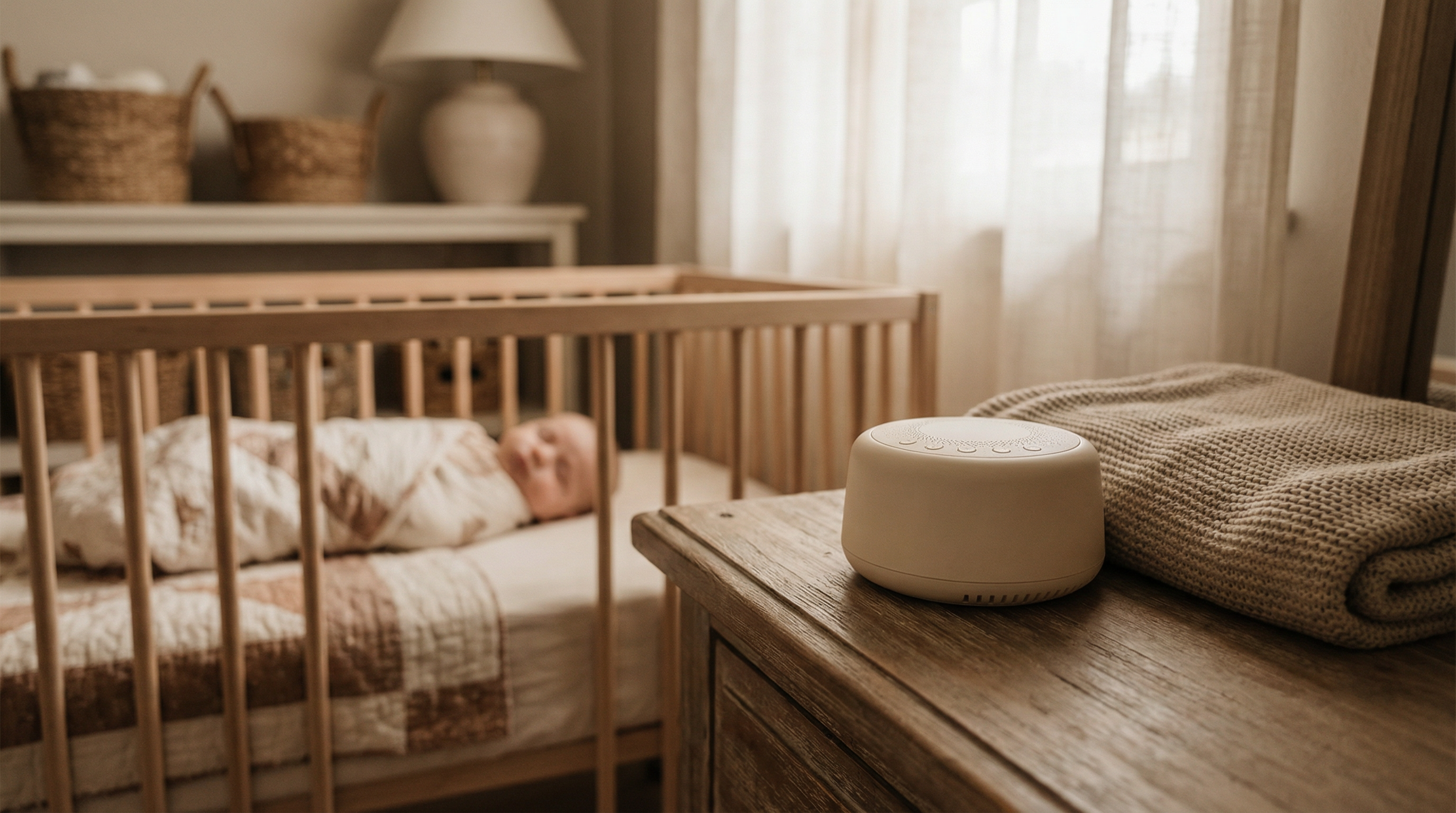
At Sleeping Baby Guide, we firmly believe that secure attachment and good sleep are not opposites; in fact, they are deeply intertwined. Our philosophy centers on the understanding that a well-rested family is one where connection and responsiveness are prioritized. Our Gentle Night Method offers a structured, step-by-step framework for gentle sleep improvement that honors your baby's innate need for closeness while simultaneously helping your entire family get more restorative rest. When it comes to co-sleeping, our approach is built on the foundation of creating a safe sleep environment that meticulously minimizes risks while maximizing comfort, connection, and peace of mind. This isn't about haphazardly falling asleep with your baby out of sheer exhaustion; it's about being intentional, informed, and proactive in setting up a secure space. We emphasize understanding and rigorously following the crucial guidelines for safe co-sleeping, which we will detail in the next section. The Gentle Night Method champions responsive parenting, encouraging you to tune into your baby's unique cues and offer comfort and feeding without ever resorting to cry-it-out methods. We understand that every cry is a communication, and our goal is to help you interpret and respond to those communications gently and effectively. A cornerstone of our method is the integration of practices like "Le Pause," a brief, thoughtful observational pause before immediately responding to nighttime sounds. This allows you to discern if your baby truly needs intervention, such as a feed or a diaper change, or if they are simply stirring, resettling, or practicing self-soothing skills within the safety of your presence. This gentle discernment empowers you to avoid unnecessary interruptions to your baby's sleep cycles and your own. Ultimately, the Gentle Night Method empowers parents to make informed, confident choices that support both their baby's healthy development and their own well-being, fostering a peaceful, restful, and connected night for the entire family. It's about building a foundation of trust and security that extends through the night and into the day.
Ready to take action?
The complete step-by-step plan is in your age-specific guide
This article covers the science and principles. The full Gentle Night Method guide gives you the exact night-by-night plan, sample schedules, troubleshooting scripts, and what to do when things do not go as expected.
Find my guide →
 Sleep Environment