Safe Sleep Guidelines for Babies: Everything Parents Need to Know
Welcoming a new baby is joyous, yet ensuring their safe sleep can be a source of anxiety. We offer gentle, evidence-based guidance to help you create a secure sleep environment, fostering peace of mind.
🌙A gentle note: Every family is different, and we believe you know your baby best. The information in this article is for educational purposes and reflects current safe sleep guidance. When trying anything new, trust your instincts and check in with your pediatrician if you have questions. You are doing a wonderful job.
At SleepingBabyGuide.com, we advocate a gentle, no-cry-it-out approach. Our philosophy centers on responsive parenting, building secure attachment, and nurturing a healthy nervous system. We never recommend leaving a baby to cry alone, as prolonged crying can harm developing brains. Respond with intention, not anxiety, honoring the sacred parent-child bond; nighttime parenting IS parenting.
Understanding Safe Sleep Guidelines: The Basics
Creating a safe sleep environment is crucial for reducing the risk of Sudden Infant Death Syndrome (SIDS) and other sleep-related infant deaths. These fundamental guidelines protect your baby during their most vulnerable hours.
Always Place Your Baby on Their Back to Sleep
Always place your baby on their back for every sleep, day or night. This significantly reduces SIDS risk. Once your baby can consistently roll both ways, repositioning isn't necessary if they roll during sleep, but always start them on their back.
Use a Firm, Flat Sleep Surface
Babies need a firm, flat sleep surface, like a crib mattress with a fitted sheet. Soft surfaces, adult beds, sofas, or cushioned chairs are unsafe due to suffocation risks. Avoid sleep positioners or wedges, as they are not recommended and can be dangerous.
Keep the Sleep Area Clear
Remove all soft objects, loose bedding, bumpers, pillows, blankets, and toys from the sleep area to prevent suffocation or strangulation. A fitted sheet on a firm mattress is sufficient. Dress your baby in a sleep sack or wearable blanket for warmth, eliminating the need for loose blankets.
Creating a Safe Sleep Environment: Step-by-Step
Here’s a practical, step-by-step guide to setting up a safe sleep space, covering essential safe sleep guidelines.
- Choose a Safe Crib or Bassinet: Ensure your crib or bassinet meets current safety standards, checking for certifications and no broken parts. The mattress should fit snugly, with no gaps.
- Select a Firm Mattress: The mattress must be firm and flat; it should not indent significantly when pressed.
- Use a Fitted Sheet: Use only a fitted sheet designed for the mattress size. Avoid loose sheets or blankets.
- Dress Your Baby Appropriately: Dress your baby in light sleep clothing. A sleep sack or wearable blanket is a safe alternative to loose blankets. Maintain a comfortable room temperature.
- Place Baby on Their Back: Always place your baby on their back for every nap and nighttime sleep.
- Keep the Sleep Area Bare: Remove all bumpers, pillows, loose blankets, quilts, comforters, sheepskins, and toys from the crib. A bare crib is a safe crib.
- Consider Room-Sharing: For at least the first six months, ideally up to a year, have your baby sleep in your room, close to your bed, but in their own separate sleep space (crib or bassinet). This eases nighttime feeding and comforting, and reduces SIDS risk.
Responsive Parenting and Sleep: Beyond the Basics
Our infant sleep approach is deeply influenced by responsive parenting. Responding to your baby's needs, especially at night, strengthens your bond and supports emotional development. This is where concepts like
“Le Pause” and attachment science research’s framework come into play.
“Le Pause”: Attunement, Not Abandonment
“Le Pause” is a gentle French technique: observe your baby for 1-3 minutes before immediately responding to night sounds. This is attunement, not abandonment. Babies often make noises transitioning between sleep cycles. Pausing allows them to self-settle. If cries escalate, respond with love and comfort. This fosters their ability to connect sleep cycles, while ensuring you're there when truly needed.
attachment science research’s Framework: Secure Attachment and Healthy Development
attachment science research’s insights highlight responsive parenting as fundamental to secure attachment and a healthy nervous system. Consistent, loving responses teach babies the world is safe and caregivers are reliable, vital for emotional and neurological development. Prolonged crying elevates cortisol, detrimental to developing brains. Our philosophy emphasizes responding with intention, not anxiety, reinforcing the sacred parent-child bond. Nighttime parenting extends this loving care.
Addressing Common Concerns About Safe Sleep
It’s natural to have questions about baby sleep. Let’s address common scenarios within our gentle parenting framework.
When Baby Rolls Over: What to Do
Parents often worry when babies roll in their sleep. Always place them on their back. Once they consistently roll both ways, you don't need to reposition them. Their ability to roll indicates they can move out of unsafe positions. Keep the sleep environment clear of loose bedding.
Room-Sharing vs. Bed-Sharing: Making the Safe Choice
Room-sharing, where your baby sleeps in your room but in their own crib or bassinet, is strongly recommended. It reduces SIDS risk by up to 50% and eases nighttime feedings. Bed-sharing carries significant risks, including suffocation, entrapment, and strangulation, especially with tired parents, substance use, or other children/pets. We advocate room-sharing as the safest option.
Pacifier Use and Safe Sleep
Offering a pacifier at naptime and bedtime, once breastfeeding is established (around 3-4 weeks), is associated with reduced SIDS risk. Offer it if your baby takes it; no need to reinsert if it falls out. Don't force it if they don't want it. This is a personal choice that can contribute to safe sleep.
Key Takeaways for Safe Sleep
- Back to Sleep: Always place your baby on their back for every sleep, day and night.
- Firm, Flat Surface: Ensure your baby sleeps on a firm, flat mattress in a crib or bassinet.
- Clear Sleep Area: Keep the crib free of all soft objects, loose bedding, bumpers, and toys.
- Room-Share, Don't Bed-Share: Have your baby sleep in your room, in their own separate sleep space, for at least the first six months.
- Dress Appropriately: Use a sleep sack or wearable blanket instead of loose blankets.
- Responsive Parenting: Respond to your baby's needs with intention and love, fostering secure attachment.
- Consider
Pacifier Use: Offer a pacifier at sleep times if your baby accepts it, as it may reduce SIDS risk.
Nurturing Your Baby's Sleep Journey with Confidence
Navigating baby sleep can be complex, but adhering to safe sleep guidelines provides the best foundation for their health. Remember, every parent does their best, and our gentle approach supports fostering a secure, loving environment. The parent-child bond is sacred; your responsive care builds a lifetime of security and healthy development.
For more gentle sleep guidance, explore our resources and nurture your baby's sleep with confidence. Visit our shop for curated sleep solutions. You've got this, and we're here to help.
Ready for better nights?
Our gentle sleep guides give you a step-by-step plan that works with your baby's biology - no cry-it-out, no extinction.
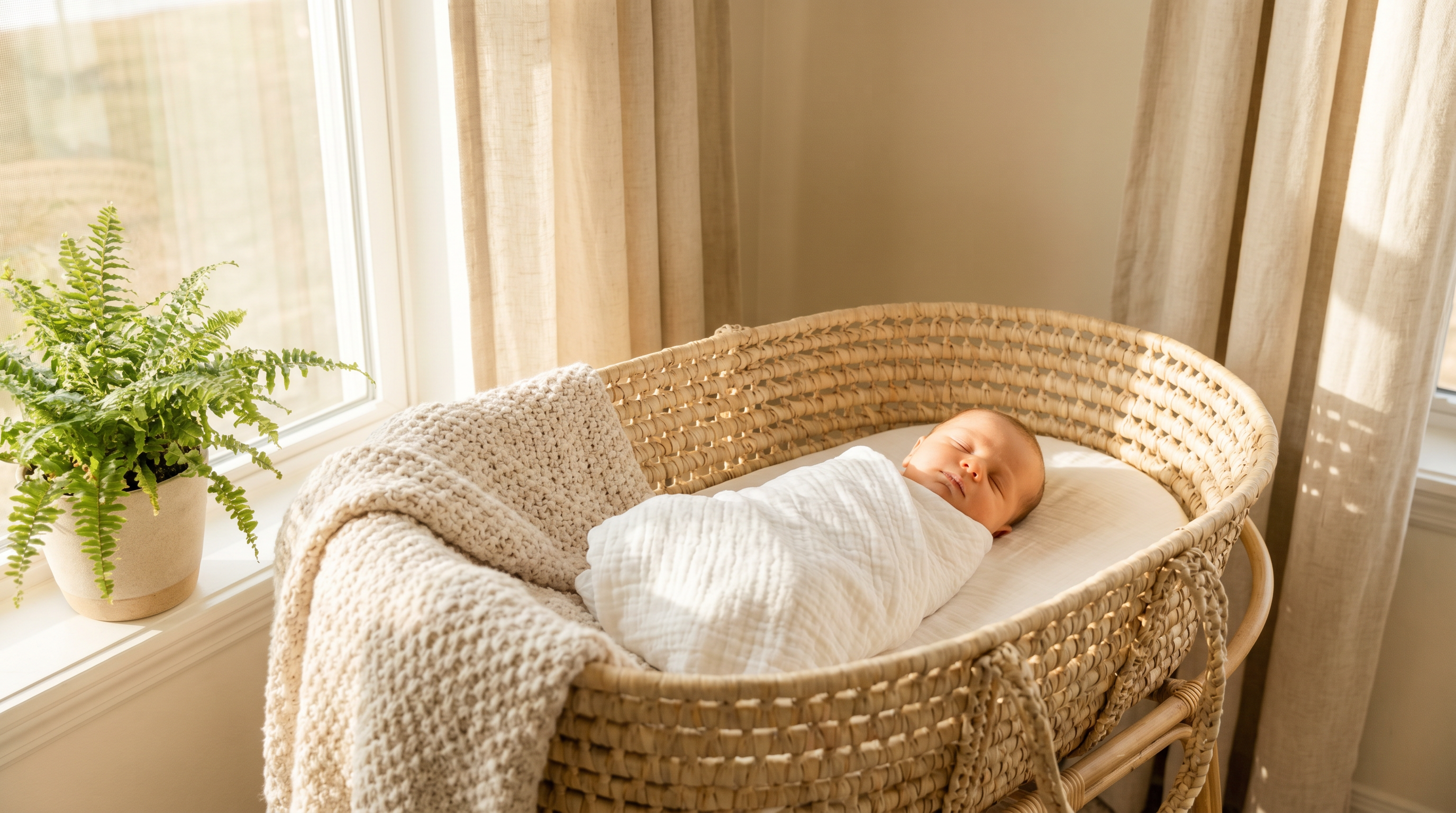 Newborn Sleep