Why Your Baby Fights Sleep at Bedtime and What You Can Gently Do About It
As parents, few things are as universally challenging as a baby who resists sleep at bedtime. The end of the day, when exhaustion is at its peak for both you and your little one, can often devolve into a frustrating battle of wills. You might find yourself wondering, "Why is my baby fighting sleep?" and, more importantly, "What can I do to help them gently embrace sleep?"
At Sleeping Baby Guide, we understand that this struggle is not a reflection of your parenting, nor is it a sign that your baby is intentionally being difficult. Instead, a baby fighting sleep is almost always communicating a need, a discomfort, or an emotional state that requires our empathetic attention. Our approach is rooted in gentle parenting principles, focusing on understanding your baby's cues, fostering secure attachment, and providing science-backed strategies that support healthy sleep without resorting to harsh methods.
Understanding the "Fight": What Does it Really Mean When a Baby Resists Sleep?
The term "fighting sleep" can be misleading. Babies do not inherently resist sleep; sleep is a fundamental biological need. When a baby appears to be "fighting" sleep, they are typically signaling that something is preventing them from transitioning peacefully into rest. This could be a physical discomfort, an emotional need, or an environmental factor. It is our role as caregivers to become curious detectives, seeking to understand the underlying cause rather than viewing it as a deliberate act of defiance.
Common manifestations of sleep resistance can include:
- Physical Cues: Arching the back, stiffening the body, pushing away from you, squirming, or jerking awake just as they are about to drift off.
- Vocalizations: Intense crying, screaming, or prolonged fussiness that seems to escalate rather than diminish with attempts to soothe.
- Behavioral Changes: Difficulty settling in their sleep space, prolonged bedtime routines, or significant shifts in nap patterns, such as naps becoming shorter or harder to initiate.
For some babies, especially those with more sensitive temperaments, the signs might be less dramatic, presenting as simply taking a very long time to settle or not appearing sleepy at all when you expect them to be.
Five Common Reasons Your Baby Might Be Fighting Sleep
Understanding the root cause is the first step toward finding a gentle solution. Here are five common reasons why babies resist sleep, all viewed through an attachment-friendly lens:
1. Separation Anxiety: The Need for Connection
Babies are wired for connection and proximity to their primary caregivers. When bedtime approaches, the prospect of separation, even if you are just in the next room, can trigger feelings of vulnerability and alarm. This is particularly true for babies who sleep in a separate space from their parents. They are not fighting sleep itself, but rather the perceived separation that sleep entails.
This can be exacerbated if a baby experiences significant separation during the day, such as time spent in daycare. The evening hours become a crucial window for reconnection, and any attempt to separate can be met with resistance as they try to "fill their connection cup" before the long night ahead. Recognizing this need for closeness is vital in addressing bedtime struggles.
2. Overtired or Undertired: The Delicate Balance of Sleep Timing
It might seem counterintuitive, but an overtired baby often struggles more to fall asleep and stay asleep. When a baby becomes overtired, their body releases cortisol, a stress hormone, which can make it incredibly difficult for them to calm down and transition to sleep. This can lead to a cycle where the more tired they are, the harder they fight sleep.
Conversely, an undertired baby will also resist sleep because they simply are not ready. If they haven't had enough active awake time or sensory input during their wake windows, their bodies and minds may not be sufficiently prepared for rest. Finding the sweet spot for your baby's individual sleep needs requires careful observation and flexibility, rather than strict adherence to generalized schedules.
3. Environmental Disruptions or Discomfort: Creating a Sanctuary for Sleep
The sleep environment plays a significant role in a baby's ability to settle. Any element that is too stimulating, bright, noisy, or uncomfortable can disrupt their natural sleep cues. Consider the following:
- Light: Too much light, even from a nightlight, can inhibit melatonin production, the hormone essential for sleep.
- Noise: Sudden loud noises or a generally noisy environment can startle a baby awake or prevent them from falling into deep sleep. A consistent, gentle white noise can sometimes be helpful.
- Temperature: A room that is too hot or too cold can make a baby uncomfortable and restless.
- Clothing: Itchy fabrics, restrictive sleepwear, or being too warm or too cool in their sleep sack can all contribute to discomfort.
- Internal Discomfort: Beyond the external environment, internal factors like gas, teething pain, illness, or even the need to poop can cause significant distress and lead to sleep resistance. These are often temporary but require compassionate attention.
Creating a dark, quiet, and comfortable sleep space is paramount for promoting peaceful sleep.
4. Sensory Stimulation: Too Much or Too Little
Babies process the world through their senses, and their individual sensory needs can greatly impact their ability to transition to sleep. Some babies, particularly those with sensitive temperaments, can become easily overstimulated by a busy day, too much noise, or excessive activity. Their nervous systems become overwhelmed, making it challenging to calm down for sleep.
On the other hand, some babies crave more sensory stimulation during their wake windows. If they are bored or haven't had enough engaging experiences, they might resist sleep because their minds are still seeking input. This can manifest as fussiness that appears to be tiredness but is actually a desire for more interaction or a change of scenery. Filling their "sensory tank" appropriately during the day can help them feel more content and ready for rest when bedtime arrives.
5. Parental Stress and Anxiety: The Emotional Mirror
This can be a challenging truth to acknowledge, but babies are incredibly attuned to their parents' emotional states. If you are feeling stressed, anxious, or frustrated about bedtime, your baby will undoubtedly pick up on these emotions. They rely on you for co-regulation, meaning they look to you to help manage their own emotional state. If you are tense, they may become tense, making it harder for them to feel safe and secure enough to fall asleep.
This dynamic can inadvertently create a negative association with sleep, where bedtime becomes a source of stress for both parent and child. Recognizing and addressing your own feelings around bedtime is a powerful step toward creating a more peaceful sleep environment for your baby.
Gentle Strategies to Support Your Baby's Sleep
Instead of focusing on "stopping" your baby from fighting sleep, let's shift our perspective to how we can support them so they don't have to fight in the first place. Our goal is to create an environment of safety, connection, and understanding. Here are some gentle, attachment-friendly strategies:
1. Optimize the Sleep Environment
- Darkness is Key: Invest in high-quality blackout curtains to create a pitch-black room, signaling to your baby's brain that it's time for sleep. Even small amounts of light can disrupt melatonin production.
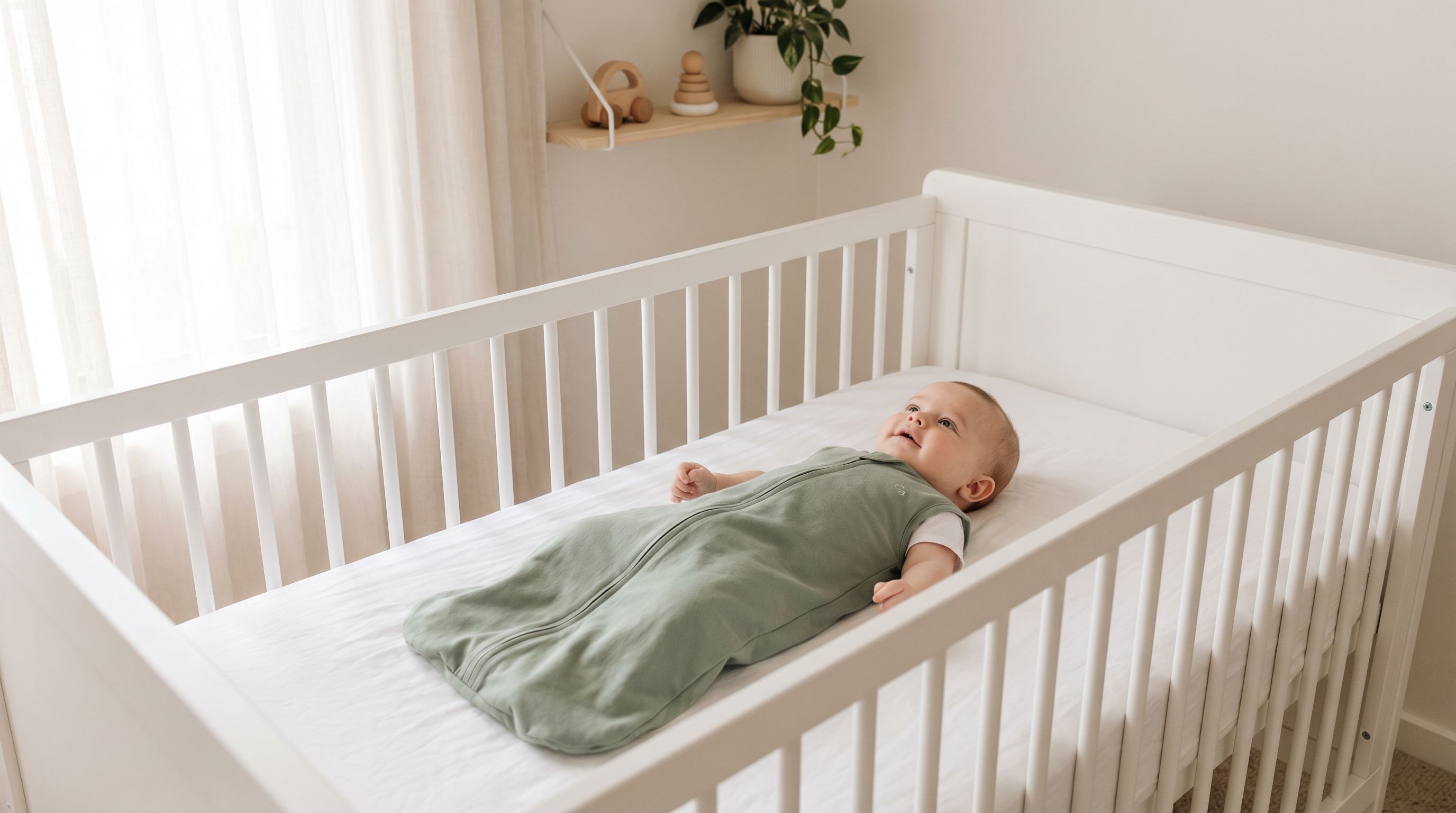
- Comfortable Temperature: Aim for a room temperature between 68-72°F (20-22°C). Dress your baby in appropriate sleepwear, such as a sleep sack, to ensure they are warm but not overheated.
- White Noise: A continuous, low-frequency white noise machine can help block out household sounds and create a consistent, soothing background for sleep. Ensure the volume is not too loud.
- Safety First: Always ensure your baby's sleep space is safe, free from loose blankets, bumpers, or toys. Follow safe sleep guidelines from reputable organizations.
2. Fine-Tune Wake Windows and Sleep Cues
- Observe, Don't Just Clock: While age-appropriate wake windows can be a helpful guide, prioritize observing your baby's individual sleep cues. These might include yawning, rubbing eyes, decreased activity, or becoming fussy. Every baby is different, and their needs can change rapidly.
- Adjust as Needed: If your baby is consistently fighting sleep, experiment with slightly shorter or longer wake windows. An overtired baby might need an earlier bedtime or nap, while an undertired baby might benefit from a bit more active play before winding down.
- The "Nap Reset": If you've been trying to get your baby to sleep for 20-25 minutes without success, take a break! Leave the sleep space, change the scenery, and try again after 15-30 minutes. This prevents negative associations with the sleep environment.
3. Prioritize Connection and Emotional Regulation
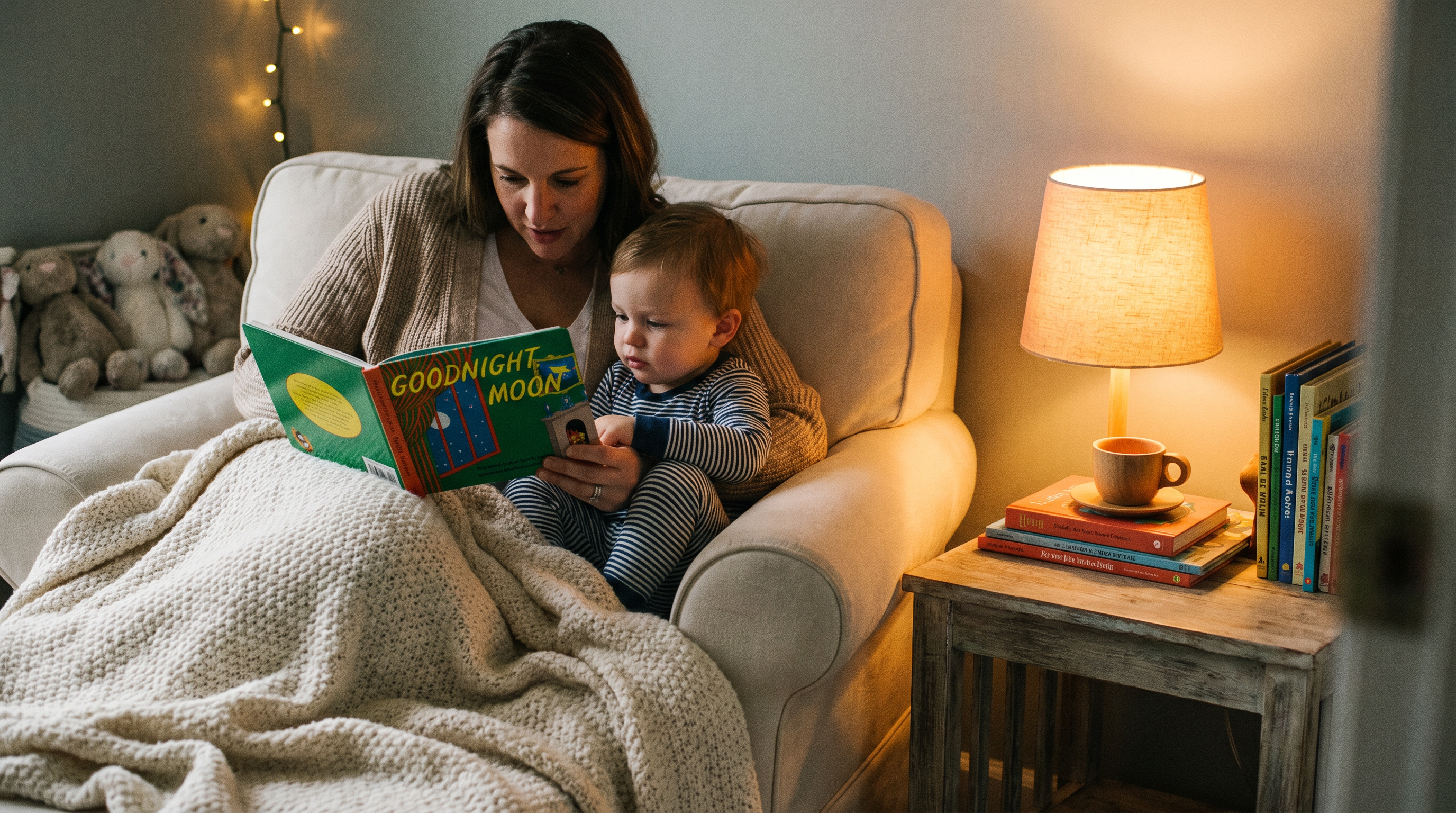
- "Love Bombing" Before Bed: Dedicate intentional, focused time for connection before bedtime. This could involve extra cuddles, reading stories, singing songs, or engaging in gentle, physical play. Filling their "connection cup" can significantly reduce separation anxiety.
- Stay Present and Calm: Your emotional state is contagious. Practice mindfulness and self-compassion. If you feel yourself becoming frustrated, take a moment to regulate your own emotions before re-engaging with your baby. A calm parent creates a calm environment.
- Validate Their Feelings: Acknowledge your baby's distress without judgment. You can say things like, "I see you're feeling upset right now, and it's hard to go to sleep." This validation helps them feel understood and supported, even if they are still crying.
- Play Away the Tension: Engaging in playful activities during the day, especially those that involve role reversal or gentle physical interaction, can help release tension and fears your child might be holding. For example, pretending to be sleepy and having your child "wake you up" can be a fun way to explore sleep themes playfully.
4. Establish a Calming Bedtime Routine
A consistent, predictable bedtime routine signals to your baby that sleep is approaching. This routine should be calming and enjoyable, lasting typically 20-45 minutes. Examples include:
- A warm bath
- Gentle massage
- Reading books
- Singing lullabies
- Quiet playtime
- A final feeding (if applicable)
Consistency is more important than the specific activities. The routine itself becomes a powerful cue for sleep.
5. Address Underlying Discomforts
- Rule Out Pain or Illness: If your baby suddenly starts fighting sleep, especially with intense crying or unusual fussiness, always consider the possibility of pain, illness, or discomfort. Consult with your pediatrician if you have concerns.
- Feeding Issues: For breastfed babies, ensure they are getting enough to eat during the day. Sometimes, fighting sleep at the breast can indicate a feeding challenge that a lactation consultant can help address.
- Teething: While often blamed for many sleep woes, teething can indeed cause discomfort. Offer appropriate pain relief as recommended by your pediatrician.
When to Seek Additional Support
If you have tried these gentle strategies consistently and your baby's sleep struggles persist, or if you are feeling overwhelmed and exhausted, please know that you are not alone, and support is available. A certified gentle sleep consultant can provide personalized guidance, helping you to understand your baby's unique needs and develop a tailored plan that aligns with your family's values. Remember, seeking help is a sign of strength, not failure.
🌙A gentle note: The information provided in this blog post is for educational purposes only and is not intended to be a substitute for professional medical advice, diagnosis, or treatment. Always seek the advice of your pediatrician or other qualified health provider with any questions you may have regarding a medical condition or the health and welfare of your baby. Never disregard professional medical advice or delay in seeking it because of something you have read here.
Conclusion
Your baby fighting sleep at bedtime is a common, yet challenging, phase for many families. By approaching these moments with empathy, curiosity, and a commitment to gentle, attachment-friendly methods, you can transform bedtime struggles into opportunities for deeper connection and understanding. Remember to trust your instincts, observe your baby's unique cues, and prioritize creating a nurturing environment where sleep feels safe and natural. With patience and consistency, you can guide your little one toward more peaceful nights, fostering a secure foundation for their emotional and physical well-being. For more insights on creating a peaceful sleep environment, explore our guide on creating a calm nursery.
References
[1] Hey Sleepy Baby. (n.d.). Why is my baby fighting sleep? Retrieved from https://heysleepybaby.com/why-is-my-baby-fighting-sleep/
[2] Hand in Hand Parenting. (2018, January). Three Gentle Ways to Fight A Child’s Resistance to Bedtime or Sleep. Retrieved from https://www.handinhandparenting.org/2018/01/gentle-ways-to-help-child-wont-sleep/
[3] Little Ones. (2025, July 15). Why Your Baby or Toddler Battles Bedtime & How to Fix It. Retrieved from https://www.littleones.co/blogs/our-blog/the-bedtime-battle-how-to-make-bedtime-easier
[4] Cadence Education. (2026, February 23). Why Do Babies Fight Sleep and Cry? 5 Reasons Why. Retrieved from https://www.cadence-education.com/blog/child-development/why-do-babies-fight-sleep/
[5] To The Moon and Back Sleep Consulting. (n.d.). How Sleep Deprivation Affects Attachment Bonds. Retrieved from https://www.tothemoonandbacksleepconsulting.com/sleep-coach-articles/sleep-deprivation-and-attachment-bonds
[6] ANCSleep. (2026, January 26). How Baby Sleep Habits May Impact Future Attachment Styles. Retrieved from https://info.ancsleep.com/blog/how-baby-sleep-habits-may-impact-future-attachment-styles
[7] Head First Dallas. (2017, June 27). Attachment and Children's Sleep Behaviors- Are They Related? Retrieved from https://www.headfirstdallas.com/post/attachment-and-childrens-sleep-behaviors
[8] Higley, E. (2009). Nighttime maternal responsiveness and infant attachment at 12 months. Retrieved from https://pmc.ncbi.nlm.nih.gov/articles/PMC3422632/
[9] McNamara, P. (2003). Infant Sleep Disorders and Attachment. Retrieved from https://www.bu.edu/phylogeny/publications/Infant%20Sleep%20Disorders%20and%20Attachment.pdf
 Bedtime Routines