How a Consistent Pre-Sleep Cue Helps Babies Settle Faster
Every parent dreams of a peaceful bedtime, a moment when their little one drifts off to sleep with ease. If you've been searching for a gentle, effective way to help your baby settle faster and sleep more soundly, the answer might lie in a beautifully simple concept: a consistent pre-sleep cue. This isn't about rigid schedules or cry-it-out methods, which we firmly believe are not in line with building a secure attachment. Instead, it's about creating a loving, predictable routine that signals to your baby that sleep is near, fostering security and trust.
Understanding Your Baby's Unique Sleep Cues
Before crafting a routine, become a detective of your baby's unique language. Babies communicate their tiredness through subtle (and sometimes not-so-subtle) sleep cues. These are the signs your little one gives when ready for sleep, and recognizing them is a cornerstone of responsive parenting. Common sleep cues include yawning, rubbing eyes, staring blankly, decreased activity, fussiness, pulling at ears, or clenching fists. Observing these signals allows you to respond with intention, rather than waiting until they are overtired and distressed.
Responding to early cues is vital for building a secure attachment and a healthy nervous system. As attachment science research reminds us, prolonged crying can elevate cortisol levels, detrimental to a developing brain. Our approach is always about attunement, not abandonment. By noticing and acting on these cues, you're not just putting your baby to sleep; you're reinforcing the parent-child bond and teaching them their needs will be met with love and understanding.
The Magic of a Predictable Pre-Sleep Routine
A predictable pre-sleep routine is more than just a series of actions; it's a powerful communication tool. For babies, who thrive on predictability, a consistent routine provides security and helps them anticipate what comes next. This anticipation acts as a gentle signal, preparing their bodies and minds for sleep. Think of it as a winding-down sequence that helps transition your baby from wakefulness to the calm embrace of sleep.
This routine isn't about imposing a strict, unyielding schedule. Instead, it's about creating a flexible flow that honors your baby's individual rhythms while offering the comfort of consistency. It's a testament to the idea that nighttime parenting IS parenting, and these moments of connection before sleep are sacred. By establishing a routine, you're nurturing a healthy sleep foundation and strengthening your bond.
Crafting Your Gentle Pre-Sleep Routine: A Step-by-Step Guide
Creating a pre-sleep routine doesn't have to be complicated. The key is consistency and choosing calming, enjoyable activities for both you and your baby. Here's a practical, step-by-step guide to help you craft a routine that works for your family:
- Timing is Key: Observe your baby's wake windows and early sleep cues. Begin your routine when your baby shows the first signs of tiredness, not when overtired. This proactive approach can significantly reduce fussiness and make settling smoother.
- The Warm Bath (Optional but Soothing): A warm bath can be a wonderfully calming sensory experience. The gentle warmth helps relax muscles and signals bedtime. If a full bath isn't feasible, a warm washcloth wipe-down offers a similar calming effect.
- Gentle Massage or Cuddles: Physical touch is powerful for bonding and relaxation. A gentle baby massage or quiet cuddles releases oxytocin, the love hormone, promoting peace and security. This reinforces the parent-child bond.
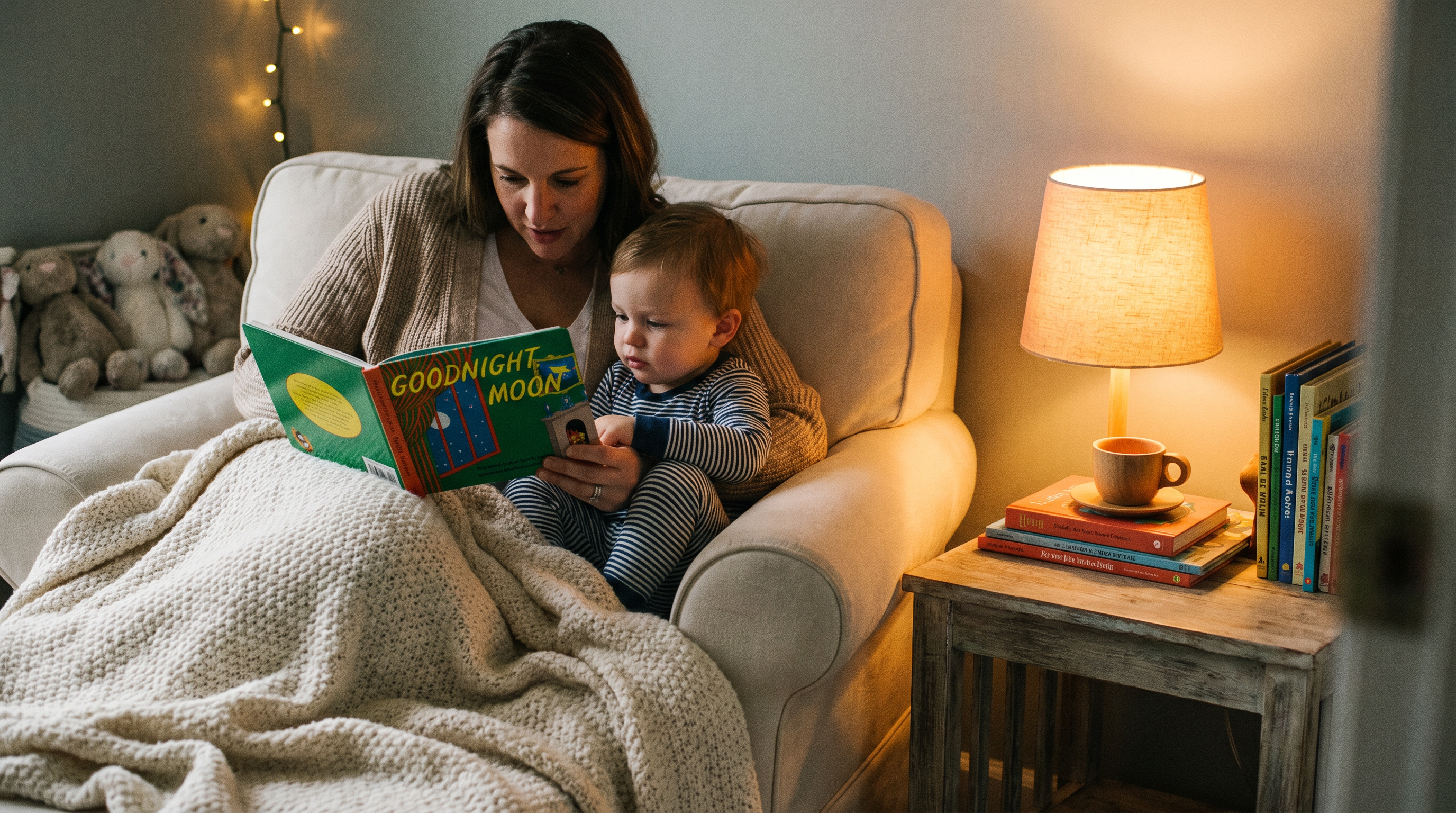
- Quiet Play or Story Time: Before sleep, wind down and avoid overstimulation. Engage in quiet activities like reading a soft storybook or gentle, low-energy play. The sound of your voice can be incredibly soothing and a powerful pre-sleep cue.
- Last Feed and Burp: A full tummy contributes to settled sleep. Offer a final feed, ensuring your baby is well-burped. This can be a quiet, intimate moment, further reinforcing the bond.
- Lullaby or White Noise: Auditory cues are effective in signaling sleep. A soft lullaby or consistent white noise creates a calming sound environment, blocking distractions and promoting relaxation. Many babies find white noise reminiscent of the womb, providing security.
- Dim Lights and Calm Environment: Gradually dim the lights in your baby’s sleep space. A dark room helps stimulate melatonin production. Ensure the room is at a comfortable temperature and free from excessive noise. These environmental cues are as important as your actions.
Remember, the goal is not perfection, but consistency. Even if you miss a step, returning to the routine reinforces the message to your baby. Adapt these steps to fit your family’s lifestyle and your baby’s preferences. Your loving presence and gentle guidance are the most important ingredients.
"Le Pause": Attunement, Not Abandonment
As part of a responsive parenting approach, you might encounter moments where your baby stirs or makes sounds before fully waking. This is where the concept of "Le Pause" comes into play. Originating from French parenting, "Le Pause" suggests a brief period of observation, typically 1-3 minutes, before immediately responding. This is not about leaving your baby to cry alone; it is a nuanced practice of attunement, not abandonment.
During this short pause, observe your baby. Are they truly awake and distressed, or simply transitioning between sleep cycles, perhaps making a few grunts or whimpers as they resettle? Often, babies will surprise us by falling back to sleep if given this small window. This practice empowers your baby to develop self-soothing skills within a secure framework, knowing you are there and will respond if truly needed. It’s about responding with intention, not anxiety, and trusting your baby’s innate ability to find their way back to sleep.
Navigating Common Challenges with Grace
Even with the most consistent pre-sleep cue and gentle routine, there will be days when things don't go as planned. Babies are not robots, and their sleep patterns are influenced by many factors. If your routine doesn't seem to work immediately, remember that patience and consistency are your greatest allies. It takes time for babies to learn and adapt.
- Overtiredness: A common culprit for difficult settling is overtiredness. If your baby is fighting sleep, try adjusting the timing of your routine to start earlier. Observing early sleep cues becomes even more critical here.
- Growth Spurts, Teething, Illness: These developmental milestones and temporary discomforts can disrupt routines. During these times, flexibility and extra comfort are key. Offer more cuddles, adjust feeding times, and prioritize your baby's comfort over strict adherence.
- Consistency, Not Perfection: Don't strive for perfection; strive for consistency. Life happens, and some nights will be different. The important thing is to return to your gentle routine as soon as you can. Your baby will appreciate the predictability.
Crucially, remember our brand philosophy: we never recommend methods like cry-it-out, CIO (Cry It Out), or any extinction-based approaches. Our focus is always on fostering a secure attachment and a healthy nervous system through responsive, gentle parenting. Prolonged crying, As attachment science highlights, can be harmful to developing brains. You are doing your best, and your loving presence is the most powerful tool you have.
Key Takeaways
- Observe Sleep Cues: Learn your baby's unique signs of tiredness to initiate the routine proactively.
- Create a Gentle Routine: Establish a consistent, calming sequence of activities before sleep.
- Practice "Le Pause": Briefly observe your baby before responding to allow for self-settling, distinguishing it from CIO.
- Prioritize Connection: Every step of the routine is an opportunity to strengthen the parent-child bond.
- Be Patient and Flexible: Understand that consistency, not perfection, is the goal, especially during developmental changes.
Conclusion
Embracing a consistent pre-sleep cue is a beautiful act of responsive parenting. It's about more than just getting your baby to sleep; it's about building trust, fostering security, and honoring the sacred parent-child bond. You are giving your baby the gift of predictability and comfort, helping them navigate the world with a healthy nervous system and a secure attachment. Every gentle lullaby, soft cuddle, and quiet moment contributes to a foundation of peaceful sleep and a strong connection.
For more gentle sleep guidance, explore our free guide or discover supportive products at our shop. You've got this, and we're here to support you every step of the way.
 Bedtime Routines