Understanding Why Your Baby Fights Sleep at Bedtime
Is bedtime a battleground in your home? Do you find your sweet little one suddenly transforming into a tiny, defiant sleep-fighter as soon as the sun sets? You are not alone. Many parents experience the frustration and exhaustion of a baby fighting sleep at bedtime. It's a common challenge, but understanding the underlying reasons can help you approach it with empathy and effective, gentle solutions. This comprehensive guide will delve into why babies resist sleep and provide actionable, attachment-focused strategies to make bedtime smoother and less stressful for everyone.
Common Reasons Babies Resist Sleep
Babies, even newborns, are complex little beings with their own rhythms and needs. When a baby fights sleep at bedtime, it's rarely out of malice. More often, it's a signal that something isn't quite right, or they're simply navigating a developmental stage. Recognizing these cues is the first step toward finding a gentle resolution. Here are some common culprits:
- Overtiredness: This might seem counterintuitive, but an overtired baby often struggles more to fall asleep. When babies miss their optimal sleep windows, their bodies produce cortisol, a stress hormone that makes it harder to settle down. This can lead to a cycle of fussiness and resistance, making the phrase "baby fighting sleep at bedtime" a nightly reality.
- Undertiredness: Conversely, if your baby hasn't had enough awake time or has napped too much during the day, they might not be tired enough for bedtime. Finding the sweet spot for wake windows is crucial for promoting healthy sleep.
- Developmental Leaps: Major milestones like rolling, sitting, crawling, standing, or walking can significantly disrupt sleep. Their brains are buzzing with new skills and connections, making it hard to switch off and relax into sleep. This cognitive overload often manifests as a baby fighting sleep at bedtime.
- Separation Anxiety: Around 8-12 months, many babies develop separation anxiety, making them clingy and resistant to being left alone at bedtime. They may cry or protest when you try to put them down, seeking reassurance that you are still near.
- Growth Spurts & Teething: Physical discomfort from teething, increased hunger during a growth spurt, or even minor illnesses can make a baby fighting sleep at bedtime more pronounced. These temporary discomforts require extra patience and comfort.
- Changes in Routine: Babies thrive on predictability and routine. Any disruption to their usual bedtime sequence, even minor ones like a late dinner or a different caregiver, can throw them off and make them resist sleep.
- Environmental Factors: The sleep environment itself can play a significant role. Is the room too bright, too noisy, too hot, or too cold? Even subtle changes can impact a baby's ability to settle.
- Overstimulation: Too much excitement or activity close to bedtime can make it difficult for a baby to wind down. Bright lights, loud noises, or energetic play can all contribute to overstimulation.
Gentle Solutions for a Peaceful Bedtime
The good news is that there are many gentle, attachment-focused strategies you can employ to help your baby embrace sleep without resorting to harsh methods. The Gentle Night Method, which prioritizes responsive parenting and a strong parent-child bond, offers a framework for creating a secure, loving environment where sleep feels safe and natural. These solutions aim to address the root causes of a baby fighting sleep at bedtime, fostering a sense of calm and security.
Establish a Consistent Bedtime Routine
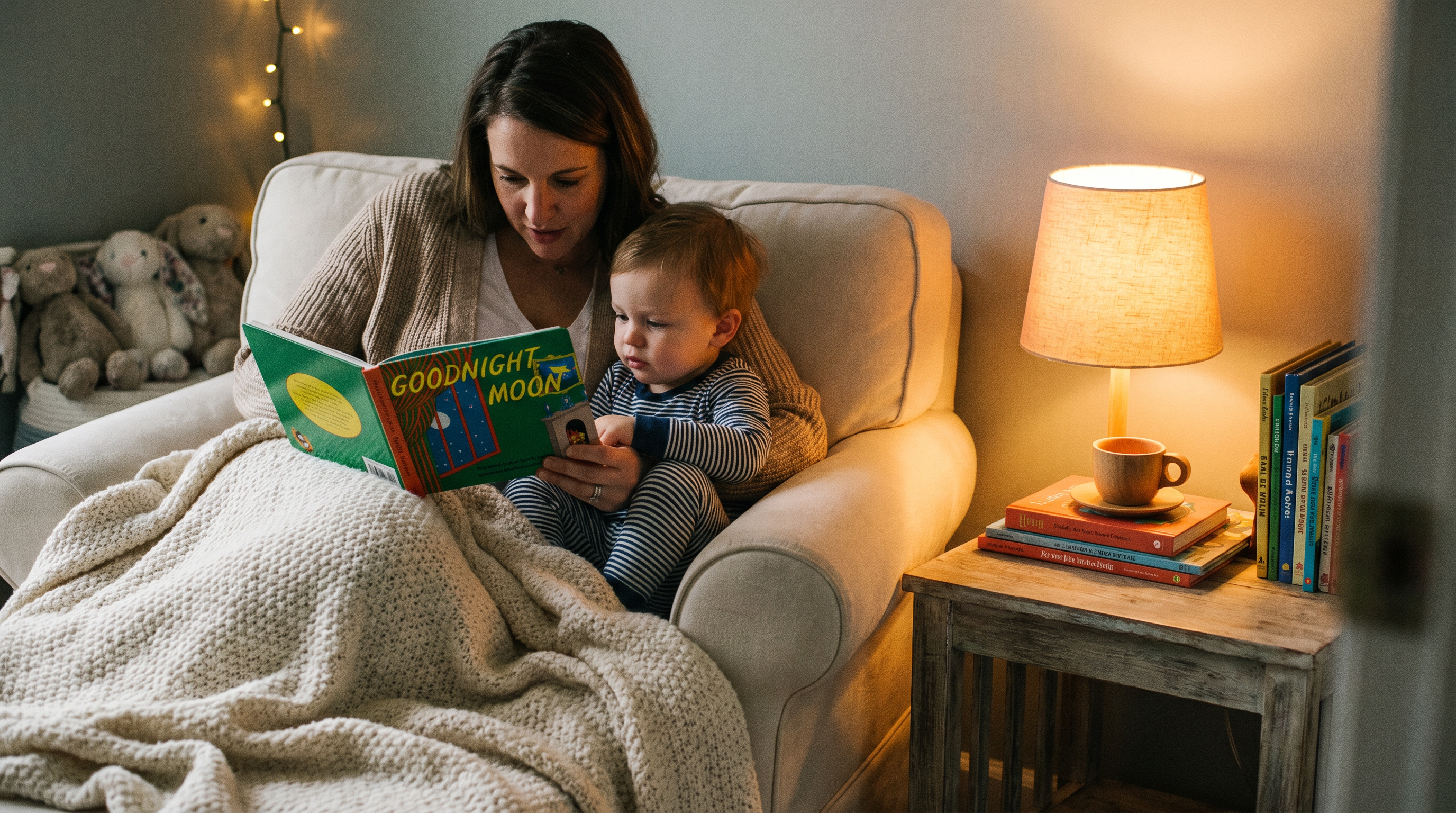
Consistency is paramount. A predictable sequence of calming activities signals to your baby that sleep is approaching. This routine doesn't have to be long or elaborate, but it should be consistent every night. Think of it as a gentle transition from the day's activities to the peacefulness of sleep. Examples include a warm bath, a gentle massage with baby-safe lotion, reading a quiet book, singing a soothing lullaby, or quiet cuddle time. The routine itself becomes a powerful sleep cue, helping your baby's body and mind prepare for rest.
Optimize the Sleep Environment
Create a sleep sanctuary for your little one. Ensure the room is as dark as possible (blackout curtains are highly recommended to block out light), quiet (a white noise machine can help mask sudden household sounds and create a consistent auditory environment), and at a comfortable temperature (typically 68-72°F or 20-22°C). A safe sleep space, free from loose blankets, bumpers, or toys, is also paramount for safe sleep practices. Consider a sleep sack for warmth and safety.
Respond to Your Baby's Cues with Empathy
The Gentle Night Method emphasizes responsive parenting. If your baby is fighting sleep at bedtime, they are communicating a need, not manipulating you. Instead of ignoring their cries or protests, try to understand what they are telling you. Are they hungry? Do they need a diaper change? Are they seeking comfort and reassurance because of separation anxiety or a developmental leap? Acknowledging their needs and responding gently builds trust and security, reinforcing the idea that you are there for them. This responsive approach is fundamental to attachment parenting.
Adjust Wake Windows and Naps Thoughtfully
Pay close attention to your baby's wake windows – the optimal amount of time they can comfortably stay awake between naps and before bedtime. These windows change significantly as your baby grows, so what worked last month might not work today. Too long, and they become overtired, leading to a baby fighting sleep at bedtime; too short, and they might be undertired and not ready for sleep. Similarly, ensure naps are restorative but not excessive, as very long or late naps can impact nighttime sleep readiness. Observing your baby's individual cues is more important than strictly adhering to charts.
Offer Comfort and Reassurance During Transitions
When separation anxiety or developmental leaps are at play, your baby needs extra comfort and connection. Stay with them, offer gentle pats, soft words, or hold them until they are drowsy. This doesn't mean creating "bad habits"; it means meeting their emotional needs during a challenging phase. As they feel secure and understood, they will gradually gain the confidence to fall asleep independently. Remember, a baby fighting sleep at bedtime is often seeking connection and safety.
Practical Tips for Bedtime Bliss
Beyond the core strategies, these practical tips can further support a peaceful bedtime routine and help alleviate the struggles of a baby fighting sleep at bedtime:
- Observe and Adapt: Keep a sleep log for a few days to identify patterns, optimal wake windows, and potential triggers for your baby fighting sleep at bedtime. This data can help you fine-tune your approach and make informed adjustments.
- Stay Calm and Present: Your baby can sense your stress and frustration. Take a deep breath, practice self-compassion, and remember that this phase will pass. A calm parent often leads to a calmer baby.
- Involve Your Partner: Share bedtime duties to prevent burnout. A fresh pair of hands and a different perspective can make a big difference in managing a challenging bedtime.
- Prioritize Daytime Connection: Ensure plenty of cuddles, playtime, and one-on-one attention during the day. A full "love tank" can lead to a more settled night, as your baby feels emotionally secure and connected.
- Embrace the 'Le Pause' Philosophy: If your baby fusses briefly after being put down, give them a moment to see if they can settle themselves. This isn't cry-it-out; it's offering a brief space for self-soothing within a supportive presence. Always respond if the fussing escalates or if you feel your baby needs you.
- Consider a "Wind-Down" Period: Just as adults need time to unwind, babies benefit from a gradual transition to sleep. Avoid stimulating activities in the hour leading up to bedtime. Opt for quiet play, reading, or gentle songs.
- Check for Physical Discomfort: Before assuming resistance, quickly check for common discomforts: a wet diaper, gas, hunger, or being too hot/cold. Addressing these simple needs can often resolve bedtime struggles.
Frequently Asked Questions About Bedtime Struggles
Q: My baby used to go down easily, but now they're fighting sleep. What changed?
A: This is very common and often points to a developmental leap, a growth spurt, or the onset of separation anxiety. Review your baby's recent milestones and adjust your routine or comfort strategies accordingly. It's a sign your baby is growing and learning, and these phases are temporary. Patience and consistent, gentle responses are key.
Q: How long should our bedtime routine be?
A: A bedtime routine doesn't need to be long – 20 to 45 minutes is often ideal. The key is consistency and a calming sequence of events that signals to your baby that sleep is coming. Tailor it to what works best for your family and your baby's temperament, ensuring it's enjoyable and relaxing for both of you.
Q: Is it okay to rock my baby to sleep? Will they ever learn to fall asleep on their own?
A: Absolutely! Rocking your baby to sleep is a beautiful way to connect and provide comfort. Many babies need help falling asleep, and this is perfectly normal and biologically appropriate. As they grow, you can gradually shift towards putting them down drowsy but awake, but there's no rush. Focus on meeting their needs now and building a secure attachment. They will learn independent sleep when they are developmentally ready and feel secure.
Q: What if my baby cries when I put them down?
A: Crying is communication. If your baby cries, respond gently and promptly. Pick them up, offer comfort, and try to understand the reason behind their distress. This is not "giving in" but rather building a secure attachment and teaching them that their needs will be met. You can then try putting them down again, perhaps with a bit more reassurance, a gentle pat, or by staying close until they settle. Your presence is a powerful comfort.
Q: How can I tell if my baby is overtired or undertired?
A: An overtired baby might be fussy, hyperactive, rub their eyes excessively, or have difficulty settling down even when tired. An undertired baby, on the other hand, might be wide awake, playful, or simply not show any signs of sleepiness when you try to put them down. Observing their individual cues and keeping a log of their sleep and wake times can help you distinguish between the two and find their optimal wake windows.
Finding Your Way to Peaceful Nights
Navigating a baby fighting sleep at bedtime can be incredibly challenging, but remember that you are doing an amazing job. By understanding your baby's needs, responding with empathy, and implementing gentle, consistent strategies, you can transform bedtime struggles into peaceful, loving rituals. Trust your instincts, be patient, and know that every step you take towards a gentle approach builds a stronger, more secure bond with your little one. The journey to peaceful nights is a marathon, not a sprint, and your loving presence is the most important factor.
If you want a complete, step-by-step plan tailored to your baby's age, our [Age] Sleep Guide walks you through every stage gently. Browse our guides.
 Bedtime Routines