Gentle Ways to Get Baby Back to Sleep After a Nightmare
It’s 3 a.m. and a sudden, sharp cry from the nursery jolts you awake. You find your baby distressed, their little body tense and their eyes wide with a fear that lingers from a bad dream. Witnessing your child’s fear is heartbreaking, and in these quiet, dark hours, it’s easy to feel lost, wondering how to best comfort them back to a peaceful slumber. At SleepingBabyGuide.com, we believe that responding with gentle, intentional care is the key to navigating these moments and nurturing a secure, loving bond with your child. This is not about quick fixes or leaving your baby to cry; it’s about understanding their needs and responding with the warmth and empathy that builds a foundation of trust. If you're looking for gentle ways to get your baby back to sleep after a nightmare, you've come to the right place.
Understanding Baby Nightmares and Your Role
Before we explore how to respond, it’s important to understand what’s happening in your baby’s brain. While we can’t know for sure what infants dream about, we do know that their brains are rapidly developing. Nightmares are a normal part of this development, but they can be frightening for little ones who can’t yet distinguish between a dream and reality. This is where responsive parenting, a concept championed by Dr. attachment science research, becomes so vital. Dr. Maté’s work emphasizes that a parent’s calm, loving presence helps a child’s nervous system regulate and builds a secure attachment. When you comfort your baby after a nightmare, you are not just stopping the crying; you are teaching them that they are safe, that you are their secure base, and that you will be there for them, even in the middle of the night. This is the opposite of sleep training methods that involve leaving a baby to cry, which can flood their developing brains with stress hormones like cortisol. Nighttime parenting is parenting, and your gentle response is a powerful investment in your child’s long-term emotional well-being.
The Power of ‘Le Pause’ in Nighttime Parenting
When you first hear your baby stir or cry out, it’s natural to want to rush in immediately. However, the French concept of ‘Le Pause’ offers a gentle alternative that fosters independent sleep skills without resorting to cry-it-out. ‘Le Pause’ is not about ignoring your baby; it’s about attunement. It means waiting just a few moments (1-3 minutes) to observe and listen before intervening. Babies make many noises in their sleep as they transition between sleep cycles. Sometimes, a little whimper or cry is simply a sign of them settling back down on their own. By pausing, you give your baby the opportunity to practice this important skill. If the crying escalates or you can tell it’s a cry of genuine distress, like from a nightmare, then of course you respond immediately and with compassion. ‘Le Pause’ is a tool for observation, not abandonment. It allows you to become more attuned to your baby’s unique cues, so you can differentiate between a minor sleep disturbance and a true need for comfort after a nightmare.
A Step-by-Step Guide to Gently Soothe Your Baby After a Nightmare
When you’ve determined your baby needs you after a bad dream, the goal is to be a calm, reassuring presence. Here is a gentle, step-by-step approach to help them feel safe and return to sleep:
- Enter Calmly and Quietly: Keep the lights as dim as possible. A soft night light is perfect. Your calm energy will be a powerful signal to your baby that everything is okay.
- Offer Immediate Physical Comfort: Pick up your baby and hold them close. A warm hug, gentle rocking, or snuggling skin-to-skin can be incredibly soothing. Your familiar scent and heartbeat are powerful regulators for their nervous system.
- Use a Soothing Voice: Speak in a low, soft, and reassuring tone. You can say things like, “It’s okay, my love. It was just a bad dream. You’re safe now. Mama/Dada is here.” The content of your words is less important than the gentle, loving tone.
- Label the Experience: For older babies and toddlers, giving the scary feeling a name can be helpful. Simply saying, “You had a bad dream,” helps them start to understand what happened. It validates their fear without dwelling on it.
- Check for Basic Needs: Is their diaper wet? Are they hungry? A quick, quiet check can rule out other sources of discomfort. If they need a feeding, try to keep it calm and brief.
- Stay with Them Until They are Calm: The goal is not to get them back to sleep as quickly as possible, but to help them feel safe again. Stay with them, offering comfort, until their breathing is slow and regular, and their body has relaxed in your arms.
- Lay Them Down Drowsy but Awake (If Possible): Once they are calm and drowsy, you can try laying them back in their crib. Keep a hand on their chest or tummy for a few moments to offer continued reassurance. If they start to cry again, it’s okay to pick them up and offer more comfort. This is a dance of attunement, not a rigid rule.
Creating a Sleep-Sanctuary to Prevent Nightmares
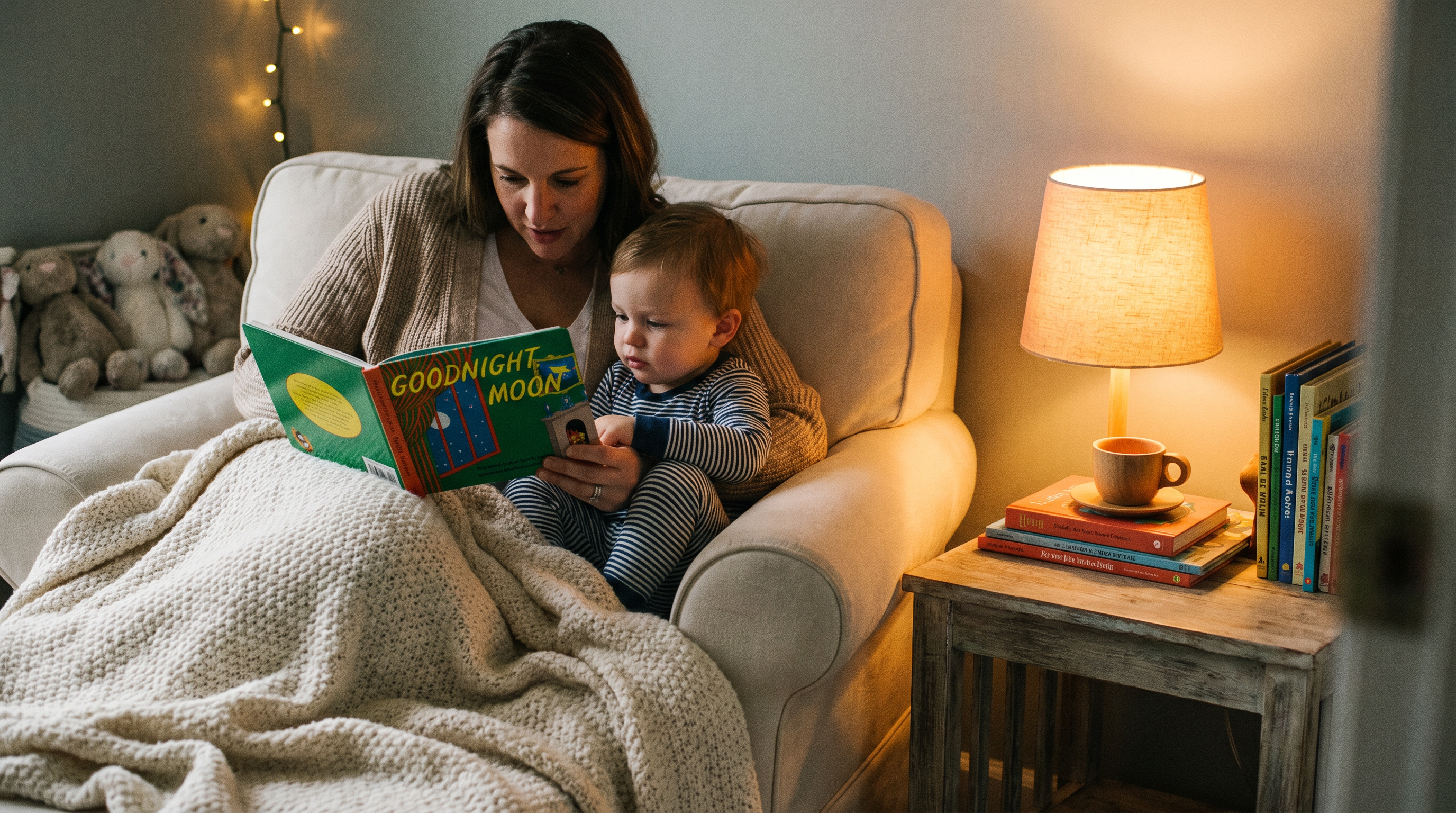
While you can't prevent all nightmares, you can create a sleep environment and routine that promotes peaceful rest. A consistent, predictable bedtime routine is one of the most powerful tools in your gentle sleep toolkit. A warm bath, a gentle baby massage, reading a favorite book, and a few quiet cuddles can signal to your baby’s body and mind that it’s time to wind down. This calming sequence helps reduce overtiredness, which can be a trigger for more frequent night wakings and bad dreams. Ensure their room is a sleep sanctuary: dark, cool, and quiet (a white noise machine can be a great addition). By focusing on a strong foundation of healthy sleep habits, you are creating the best possible conditions for sweet dreams.
Key Takeaways
- Respond with Empathy: Your calm, loving presence is the most important tool you have. Nighttime parenting is an opportunity to build trust and secure attachment.
- Practice ‘Le Pause’: Observe for a moment before rushing in to help your baby learn to transition between sleep cycles, but always respond to genuine distress.
- Soothe and Reassure: Offer physical comfort and a soft voice to help your baby feel safe after a nightmare.
- Focus on Routine: A consistent, calming bedtime routine can help prevent overtiredness and promote more peaceful sleep.
- Trust Your Instincts: You are the expert on your baby. Respond in a way that feels right for your family, knowing that gentle, responsive care is always the right choice.
You Are Not Alone
Navigating your baby’s sleep can feel overwhelming, especially in the lonely, quiet hours of the night. Remember that you are doing an incredible job. Every time you respond to your baby with love and patience, you are strengthening your bond and laying the groundwork for a lifetime of emotional health. You are their safe harbor in the storm of a scary dream. If you’re looking for more guidance on your gentle parenting journey, we invite you to explore our /free-guide or visit our /shop for more resources to support you and your little one. You’ve got this.
 Bedtime Routines