Why Gentle Sleep Support Works Better Long Term Than Cry It Out
Welcoming a new baby into your family is a journey filled with immense love, joy, and, let's be honest, a fair share of sleepless nights. As you navigate the beautiful chaos of parenthood, you'll encounter countless pieces of advice, especially when it comes to baby sleep. Among these, the "cry it out" (CIO) method often surfaces, promising quick fixes. However, at SleepingBabyGuide.com, we firmly believe in a more compassionate, long-term approach: gentle sleep support. We never recommend leaving a baby to cry alone, and this article will explain why our philosophy fosters stronger bonds and healthier sleep habits for your little one.
Understanding Gentle Sleep Support vs. Cry It Out
The fundamental difference between gentle sleep support and cry it out lies in their core philosophy. Cry it out methods, in their various forms, advocate for leaving a baby to self-soothe through prolonged crying, often with minimal or no parental intervention. While some parents report short-term success, this approach can be deeply unsettling for both baby and parent, and it often overlooks the profound developmental needs of infants.
Gentle sleep support, on the other hand, prioritizes responsiveness, connection, and gradual adjustments. It acknowledges that a baby's cries are a form of communication, not manipulation. Our approach is rooted in the understanding that building a secure attachment is paramount, and nighttime parenting is just as vital as daytime parenting.
The Science Behind Responsive Parenting and Brain Development
Dr. attachment science research, a renowned expert in trauma and child development, emphasizes that responsive parenting is crucial for building secure attachment and a healthy nervous system. When babies experience prolonged periods of distress, their bodies release cortisol, the stress hormone. While short bursts of stress are manageable, chronic exposure to high cortisol levels can be detrimental to a developing brain. This is why we advocate for responding with intention, not anxiety, ensuring your baby feels safe and loved, even during the night.
Our philosophy is about attunement, not abandonment. It's about understanding your baby's cues and responding in a way that nurtures their emotional and physical well-being. This doesn't mean rushing in at the first peep, but rather being present and responsive when your baby truly needs you.
"Le Pause": A Gentle Approach to Night Waking
One gentle technique that beautifully embodies our philosophy is "Le Pause," a concept often associated with French parenting. This involves briefly observing your baby (typically 1-3 minutes) before immediately responding to night sounds. The key here is observation, not abandonment. It allows you to discern if your baby is truly distressed or simply transitioning between sleep cycles. Often, babies will resettle themselves during this brief pause, developing their natural ability to link sleep cycles without feeling abandoned.
This is a nuanced approach that requires parental attunement. It's about learning your baby's unique sleep patterns and cries. A whimper might mean they're stirring, while a full-blown cry indicates a genuine need for comfort. "Le Pause" empowers parents to respond thoughtfully, fostering independence while maintaining a strong, secure bond.
Practical Steps for Implementing Gentle Sleep Support
Implementing gentle sleep support involves a series of consistent, loving actions. Here's a step-by-step guide to help you create a nurturing sleep environment and routine:
- Establish a Consistent Bedtime Routine: Babies thrive on predictability. A calming bedtime routine, such as a warm bath, a gentle massage, reading a book, or singing a lullaby, signals to your baby that it's time to wind down. Consistency is key, even on weekends.
- Create a Sleep-Friendly Environment: Ensure the nursery is dark, quiet, and at a comfortable temperature. White noise can be helpful for some babies to block out external sounds and create a consistent sleep cue.
- Practice "Le Pause" with Intention: When your baby stirs or makes sounds during the night, take a moment (1-3 minutes) to observe before intervening. Is your baby truly awake and distressed, or are they just shifting in their sleep? This brief observation period can help you respond appropriately.
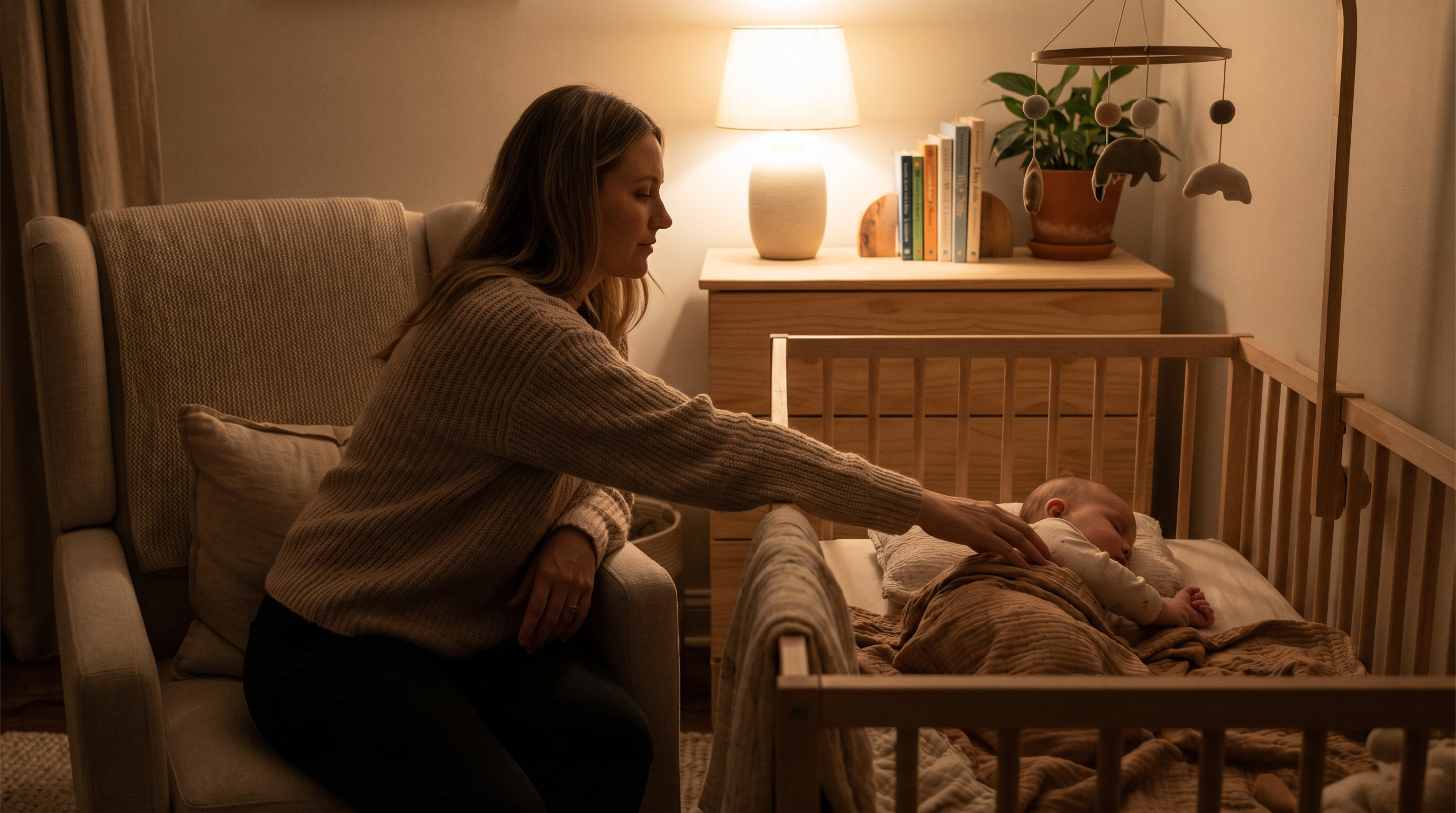
- Offer Comfort and Reassurance: If your baby is genuinely upset, respond with gentle comfort. This might involve a soft pat, a soothing whisper, or a brief cuddle. The goal is to reassure them of your presence and help them settle back to sleep, not to fully wake them up.
- Address Underlying Needs: Before attributing all night wakings to "bad habits," consider if your baby has any unmet needs. Are they hungry, too hot or cold, or experiencing discomfort from a wet diaper or teething? Addressing these fundamental needs is crucial for peaceful sleep.
- Gradual Adjustments, Not Drastic Changes: Gentle sleep support is about making small, incremental changes over time. Avoid sudden, drastic shifts in routine, as these can be unsettling for your baby. Patience and consistency are your greatest allies.
The Long-Term Benefits of a Gentle Approach
Choosing gentle sleep support is an investment in your child's long-term emotional well-being and your family's overall harmony. Babies who receive consistent, responsive care tend to develop a stronger sense of security and trust. This secure attachment forms the foundation for healthy emotional development, resilience, and positive relationships throughout their lives.
Furthermore, a gentle approach avoids the potential negative impacts of prolonged crying, such as elevated stress hormones. It respects your baby's innate need for comfort and connection, fostering a positive association with sleep rather than fear or anxiety.
Key Takeaways
- Gentle sleep support prioritizes responsiveness and connection over abandonment.
- "Le Pause" is a technique of brief observation (1-3 minutes) before responding, allowing babies to self-settle without feeling abandoned.
- Responsive parenting builds secure attachment and a healthy nervous system, as emphasized by Dr. attachment science research.
- Consistency and patience are crucial for establishing nurturing sleep habits.
- Avoid cry it out methods due to potential negative impacts on brain development and the parent-child bond.
Building a Sacred Bond, One Night at a Time
At SleepingBabyGuide.com, we understand that every parent is doing their best, and the journey of parenthood is unique. The parent-child bond is sacred, and nighttime parenting is an integral part of nurturing that bond. By embracing gentle sleep support, you're not just teaching your baby to sleep; you're teaching them that they are loved, safe, and that their needs will be met. This builds a foundation of trust and security that will benefit them for years to come. Remember, you are your baby's first and most important teacher, and your gentle presence makes all the difference.
For more gentle sleep tips and resources, visit our free guide or explore our shop for supportive products. Sweet dreams, gentle parents!
 Sleep Training