Gentle Sleep Training Methods That Do Not Involve Crying
Welcoming a new baby into your life is a journey filled with immense joy, profound love, and, let's be honest, a significant amount of sleep deprivation. As parents, we all yearn for peaceful nights, but the idea of "sleep training" often conjures images of letting our precious little ones cry alone. At SleepingBabyGuide.com, we firmly believe that fostering healthy sleep habits doesn't, and shouldn't, involve leaving your baby to cry it out. This guide explores gentle sleep training methods that honor your baby's needs and strengthen your sacred parent-child bond.
🌙A gentle note: Every family is different, and we believe you know your baby best. The information in this article is for educational purposes and reflects current safe sleep guidance. When trying anything new, trust your instincts and check in with your pediatrician if you have questions. You are doing a wonderful job.
Understanding Gentle Sleep Training: A No-Cry Approach
Gentle sleep training is about guiding your baby towards independent sleep in a way that feels supportive and responsive, never abandoning them. It's a philosophy rooted in the understanding that nighttime parenting IS parenting, and that responding to your baby's cues builds a secure attachment and a healthy nervous system. We reject any method that suggests prolonged crying is beneficial, as research, particularly from experts like attachment science research, highlights the potential harm of elevated cortisol levels on a developing brain. Our approach is about attunement, not abandonment.
The Philosophy Behind Gentle Sleep
Our core belief is that parents are doing their best, and with the right tools and understanding, they can navigate sleep challenges with confidence and compassion. We never recommend methods like cry-it-out or any extinction-based techniques. Instead, we embrace principles that prioritize connection and responsiveness. One such principle is "Le Pause," a beautiful French technique where parents observe their baby for a brief period, typically 1-3 minutes, before immediately responding to night sounds. This isn't about ignoring cries; it's about giving your baby a chance to naturally transition between sleep cycles, often surprising parents with their ability to resettle themselves. It's a subtle dance of observation and gentle intervention, a testament to responsive parenting.
Practical Steps for Gentle Sleep Training
Implementing gentle sleep training requires patience, consistency, and a deep understanding of your baby's developmental stage. Here are some actionable steps to help you and your little one achieve more peaceful nights without any crying it out.
1. Establish a Consistent Bedtime Routine
A predictable bedtime routine signals to your baby that it's time to wind down. This routine doesn't have to be elaborate, but consistency is key. It could include a warm bath, a gentle massage, reading a book, singing a lullaby, or a quiet feeding. The goal is to create a calming sequence of events that helps your baby relax and prepare for sleep. Start this routine at roughly the same time each evening to help regulate their internal clock.
2. Create an Optimal Sleep Environment
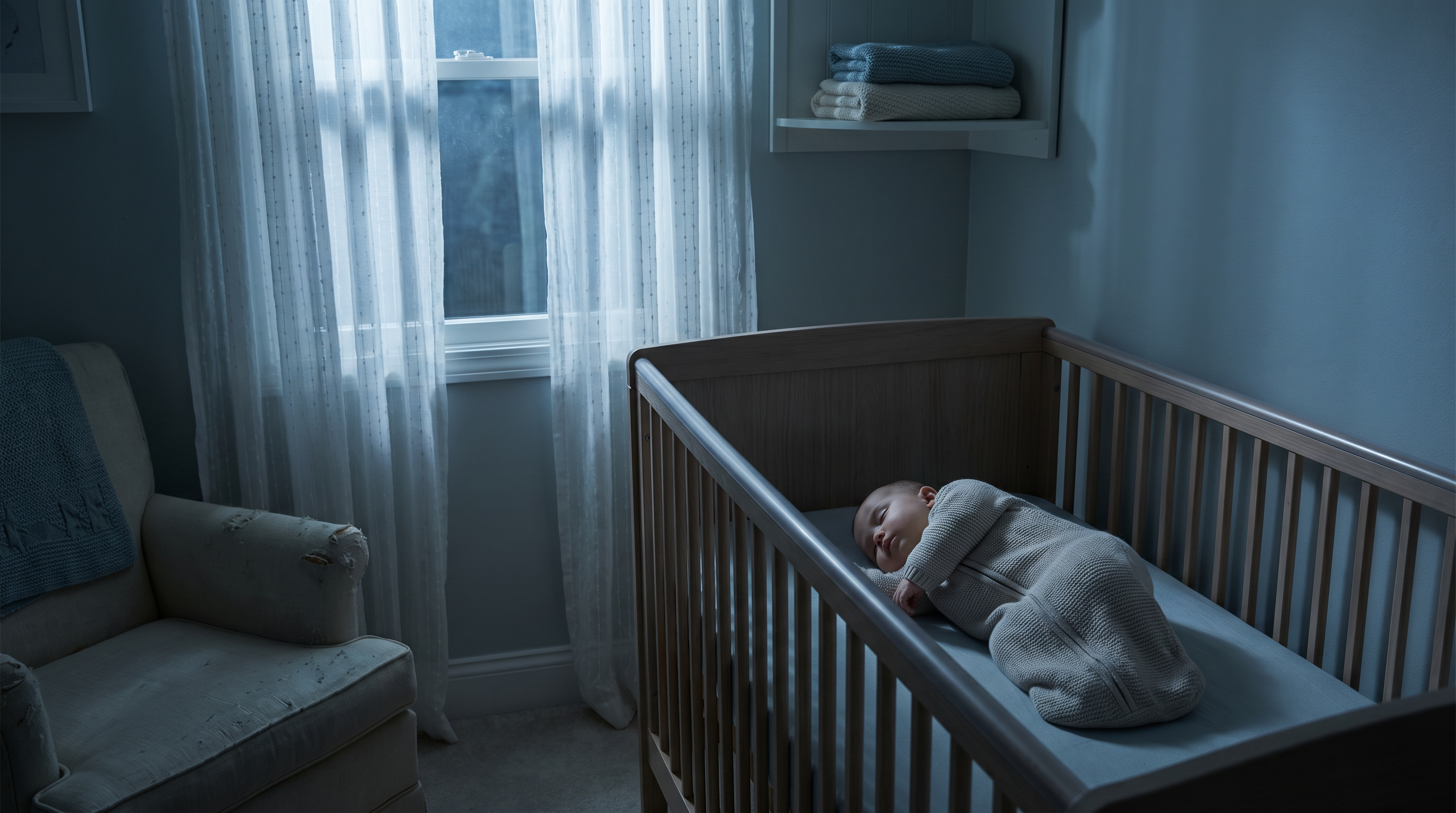
The sleep environment plays a crucial role in your baby's ability to fall and stay asleep. Ensure the room is dark, quiet, and cool (around 68-72°F or 20-22°C). Use blackout curtains to block out light, and consider a white noise machine to mask household sounds and create a consistent soundscape. A safe sleep space, free from loose blankets and toys, is paramount. This gentle sleep training method emphasizes comfort and security.
3. Understand and Respond to Sleep Cues
Learning your baby's unique sleep cues is fundamental to gentle sleep training. Yawning, eye rubbing, fussiness, or staring blankly are all signs that your baby is tired. Responding promptly to these cues by initiating the bedtime routine or offering comfort can prevent your baby from becoming overtired, which often leads to more difficulty falling asleep and increased crying. Early intervention is a cornerstone of our no-cry approach.
4. The Power of "Le Pause"
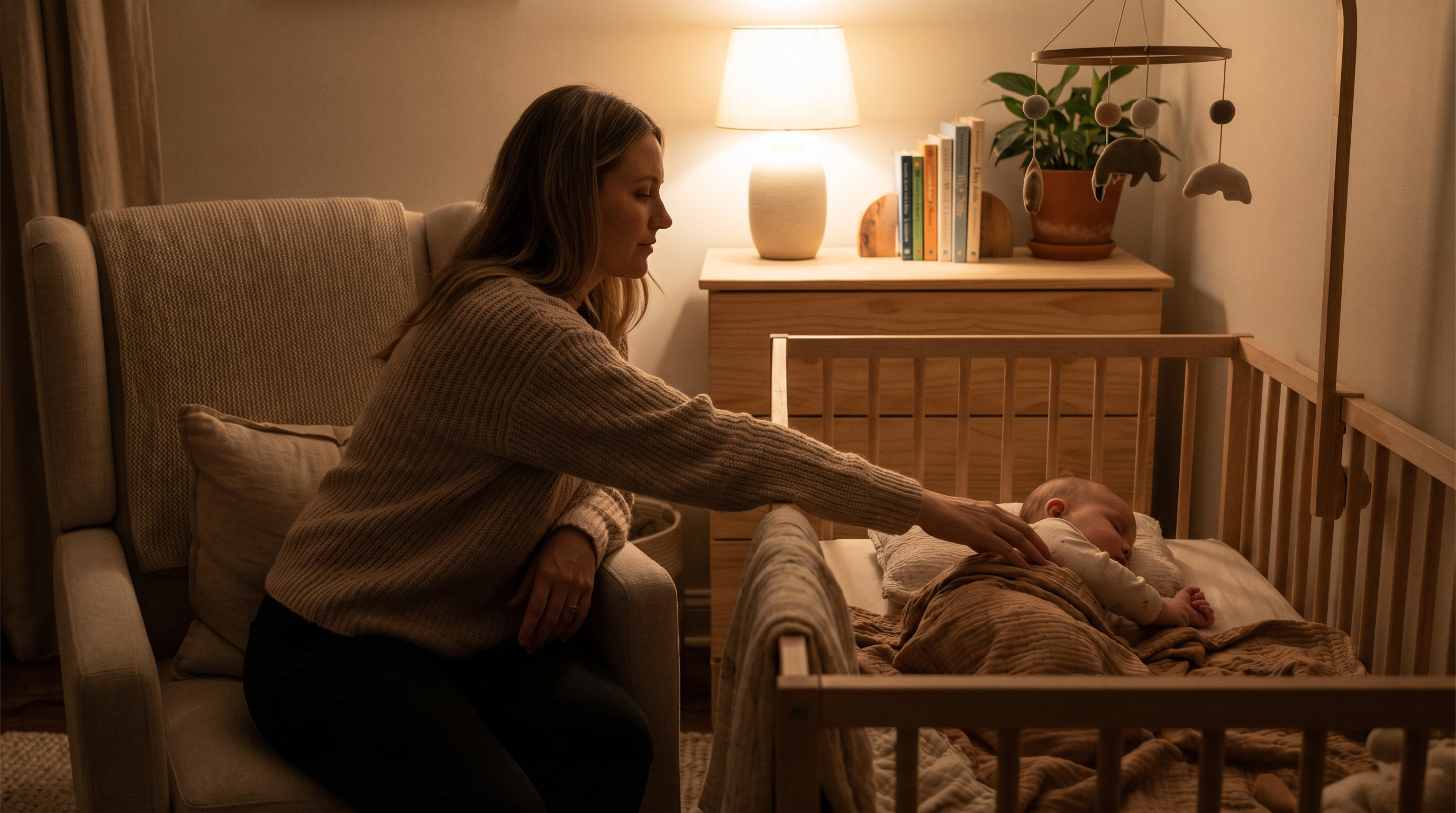
As mentioned, "Le Pause" is a powerful tool in gentle sleep training. When your baby stirs or makes sounds during the night, resist the immediate urge to intervene. Instead, take a moment, 1 to 3 minutes, to observe. Sometimes, babies will fuss briefly as they shift between sleep cycles and then resettle themselves. This brief observation period allows them to practice self-soothing without feeling abandoned. If the fussing escalates into genuine crying, respond immediately with comfort and reassurance. This is about teaching self-regulation, not neglect.
5. Offer Comfort and Reassurance
When your baby cries, especially during the night, it's a signal that they need you. Gentle sleep training means always responding to these cries with love and reassurance. This might involve picking them up, offering a feed, rocking, or simply a comforting touch and soft words. The goal is to meet their needs while gently guiding them back to sleep. This responsive parenting approach reinforces their sense of security and trust.
6. Gradual Adjustments and Consistency
Gentle sleep training is not a quick fix; it's a gradual process that requires consistency. Make small, incremental changes to your routine and responses. For example, if you currently rock your baby to sleep, you might gradually reduce the amount of rocking time, eventually putting them down drowsy but awake. Consistency in your approach helps your baby understand the new patterns and expectations. Remember, every baby is different, and progress may not be linear. Celebrate small victories and be patient with yourselves.
Key Takeaways for Gentle Sleep Training
- Prioritize Responsiveness: Always respond to your baby's cries, reinforcing their sense of security.
- Embrace "Le Pause": Allow for brief observation before intervention to encourage self-settling.
- Consistency is Key: Establish and maintain predictable routines for bedtime and sleep environment.
- Avoid Cry-It-Out: Never leave your baby to cry alone; focus on attunement and connection.
- Trust Your Instincts: You know your baby best; adapt methods to suit their unique needs.
Nurturing Sleep, Nurturing Connection
Gentle sleep training methods that do not involve crying are a testament to the profound bond between parent and child. By embracing responsive parenting, understanding your baby's cues, and implementing consistent, loving strategies, you can foster healthy sleep habits while strengthening your connection. Remember, this journey is about progress, not perfection. Be kind to yourself and your little one. For more personalized guidance and resources, explore our free guide on gentle sleep solutions or discover supportive products in our shop. Sweet dreams, cherished parents.
 Sleep Training