🌙A gentle note: The information provided in this blog post is for educational purposes only and should not be considered medical advice. Always consult with a qualified healthcare professional or your pediatrician for any concerns regarding your child\'s health and sleep.
Understanding Night Terrors: More Than Just a Bad Dream
As parents, we all hope for peaceful nights for our little ones. However, sometimes sleep can bring unexpected and unsettling challenges. One such challenge that can be particularly distressing for both children and parents is night terrors. Unlike nightmares, which are bad dreams that children often remember and can describe, night terrors are a type of parasomnia, a sleep disorder that involves undesirable physical or experiential phenomena during sleep. They typically occur during the deepest stage of non-REM sleep, usually in the first few hours after a child falls asleep.
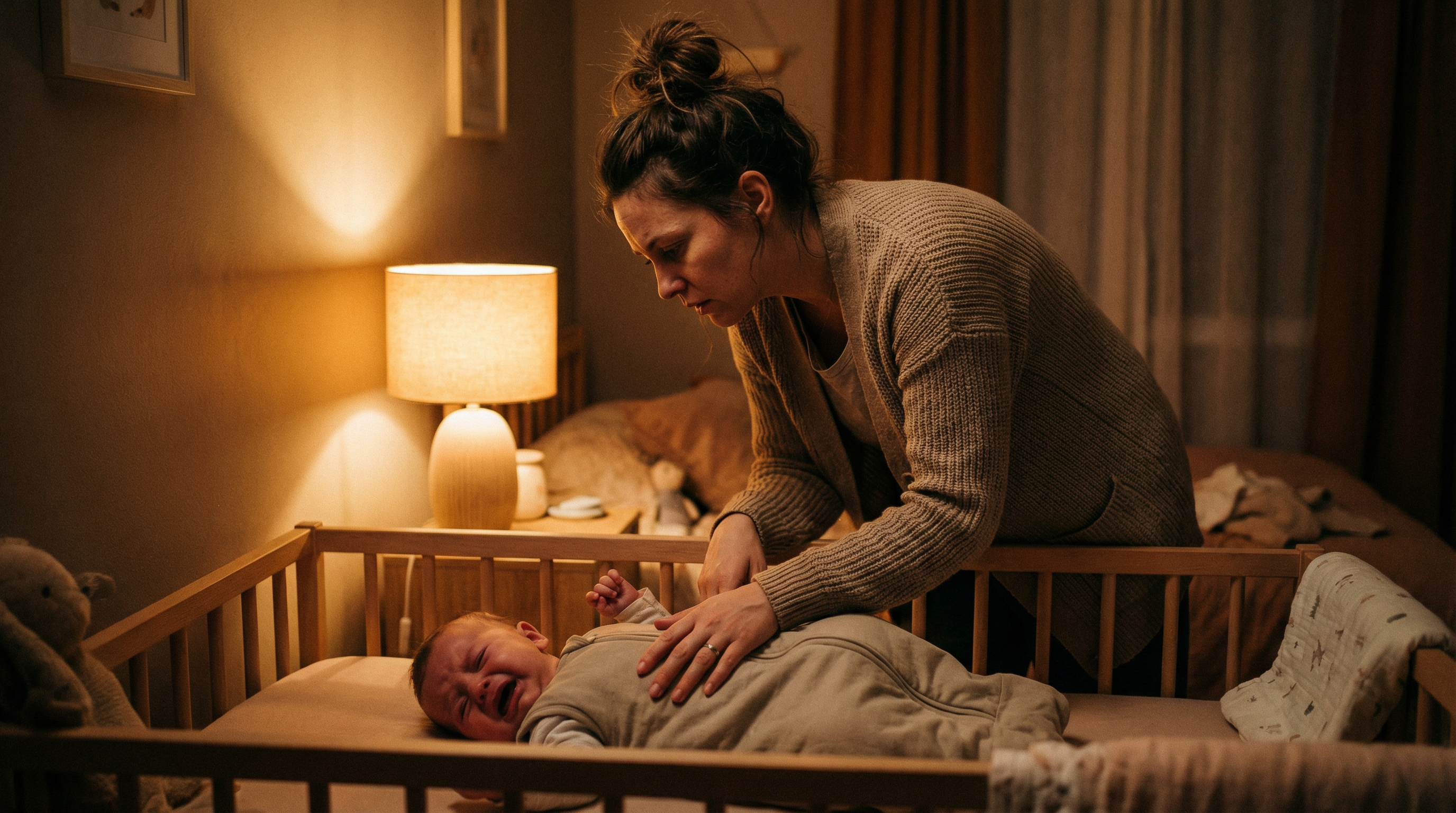
Imagine your toddler suddenly sitting upright in bed, screaming, crying, or thrashing, seemingly awake but completely unresponsive to your comforting words. Their eyes might be open, but they appear glazed over, looking right through you. This can be a terrifying experience for any parent, leaving you feeling helpless and confused. It is crucial to understand that during a night terror, your child is not truly awake and is not aware of your presence or what is happening. They are essentially stuck in a state between sleep and wakefulness, and trying to rouse them can often make the episode worse.
Night terrors are relatively common in toddlers and preschoolers, affecting an estimated 3-6% of children. They usually begin between the ages of 18 months and 6 years, often peaking around 3-4 years old. While they can be alarming, they are generally harmless and most children outgrow them as their nervous system matures. Understanding the nature of night terrors is the first step toward handling them with the gentle, empathetic approach your child needs.
Distinguishing Night Terrors from Nightmares
It is easy to confuse night terrors with nightmares, but there are distinct differences that can help parents identify what their child is experiencing. Knowing the difference is key to responding appropriately and effectively.
- Timing: Night terrors typically occur in the first third of the night, during deep non-REM sleep. Nightmares, on the other hand, usually happen during REM sleep, which is more prevalent in the latter half of the night.
- Awareness: During a night terror, your child will appear terrified but will be unresponsive and unaware of your presence. They will not remember the event in the morning. With a nightmare, your child will wake up fully, often remember the dream, and seek comfort.
- Physical Manifestations: Night terrors can involve screaming, thrashing, sweating, rapid breathing, and a racing heart. Children might sit up, open their eyes, or even run around the room. Nightmares usually involve crying and fear, but without the intense physical activity or unresponsiveness.
- Comfort: It is very difficult, if not impossible, to comfort a child during a night terror. They are not truly awake to receive comfort. After a nightmare, a child is easily comforted and reassured.
Recognizing these distinctions will empower you to react with greater understanding and patience, which is fundamental to a gentle parenting approach. For more insights into typical sleep patterns, you might find our guide on baby sleep regressions explained helpful, as it covers various developmental sleep changes.
What Causes Night Terrors? Exploring the Triggers
While the exact cause of night terrors is not fully understood, they are often linked to an immature central nervous system that is still developing its ability to transition smoothly between sleep stages. Several factors can act as triggers or contribute to their occurrence:
- Sleep Deprivation: This is one of the most common triggers. An overtired child is more likely to experience night terrors. Ensuring adequate sleep is paramount.
- Irregular Sleep Schedule: Inconsistent bedtimes and wake-up times can disrupt a child\'s natural sleep rhythm, making them more susceptible.
- Fever or Illness: Being unwell can significantly impact sleep quality and increase the likelihood of night terrors.
- Stress or Anxiety: Major life changes, new environments, or even minor stressors can manifest as sleep disturbances.
- Certain Medications: Some medications can interfere with sleep architecture and potentially trigger night terrors.
- Genetics: There appears to be a genetic component, with night terrors often running in families.
- Overstimulation: Too much excitement or screen time before bed can make it harder for a child to settle into deep sleep.
- Full Bladder: Waking up with a full bladder can sometimes trigger an episode.
Identifying and addressing these potential triggers is a proactive step in managing night terrors. A holistic view of your child\'s daily routine and environment can provide valuable clues.
Gentle Strategies for Handling a Night Terror Episode
When a night terror strikes, your immediate instinct might be to wake your child or try to comfort them intensely. However, the most gentle and effective approach is often counterintuitive: do not try to wake them, and focus on ensuring their safety.
1. Prioritize Safety Above All Else
During a night terror, your child might thrash, kick, or even try to get out of bed. Your primary role is to prevent them from hurting themselves. Gently guide them away from any potential hazards, such as sharp corners or stairs. You can softly hold them if they are moving around, but avoid restraining them tightly, as this can escalate their distress. Create a safe sleep environment by ensuring their room is free of obstacles and that windows and doors are secure.
2. Remain Calm and Present
Your calm demeanor can be a grounding force, even if your child is not fully aware of your presence. Speak in a soft, reassuring voice, even if they do not seem to hear you. Your presence alone can be comforting, and it helps you stay attuned to their needs without adding to their agitation. Remember, this is a temporary state, and your child will return to peaceful sleep.
3. Avoid Waking Them
Attempting to wake a child during a night terror can prolong the episode and make them more disoriented and upset when they do eventually wake. It is best to let the terror run its course, which usually lasts a few minutes, though sometimes longer. They will typically settle back into deep sleep on their own, often without any memory of the event.
4. Offer Gentle Physical Reassurance (If Appropriate)
If your child is not thrashing violently, a gentle hug or a soft hand on their back can sometimes provide a sense of security. However, be mindful of their reaction. If physical contact seems to increase their agitation, it is best to withdraw and simply remain nearby, ensuring their safety from a slight distance.
5. Wait it Out with Patience
Night terrors are often short-lived. The best approach is to patiently wait for the episode to pass. Once your child calms down and returns to a deeper sleep, you can gently adjust their covers or ensure they are comfortable. There is no need to discuss the event with them in the morning, as they will not remember it.
Proactive Measures: Preventing Future Night Terrors
While you cannot always prevent night terrors, you can significantly reduce their frequency and intensity by implementing proactive, gentle sleep strategies. These strategies focus on optimizing your child\'s sleep environment and routine.
1. Establish a Consistent Sleep Schedule
One of the most powerful tools in preventing night terrors is a predictable and consistent sleep schedule. This means having a regular bedtime and wake-up time, even on weekends. Consistency helps regulate your child\'s internal body clock, promoting smoother transitions between sleep stages. Aim for an age-appropriate amount of sleep for your toddler, typically 11-14 hours per 24-hour period, including naps.
2. Prioritize Adequate Sleep
Overtiredness is a major trigger for night terrors. Ensure your toddler is getting enough sleep by observing their cues and adjusting their schedule as needed. This might mean an earlier bedtime or a longer nap. A well-rested child is less likely to experience sleep disturbances. For guidance on nap schedules, refer to our article on toddler nap schedule tips.
3. Create a Calming Bedtime Routine
A consistent and calming bedtime routine signals to your child that it is time to wind down for sleep. This routine should be relaxing and enjoyable, lasting 20-30 minutes. Examples include a warm bath, reading stories, quiet play, gentle massage, or singing lullabies. Avoid stimulating activities, bright screens, or sugary snacks close to bedtime.
4. Optimize the Sleep Environment
A conducive sleep environment is crucial for restful sleep. Ensure your child\'s room is dark, quiet, and cool. Use blackout curtains to block out light, a white noise machine to mask sudden sounds, and maintain a comfortable room temperature. A familiar and safe sleep space can greatly contribute to peaceful sleep.
5. Address Stress and Anxiety
If you suspect stress or anxiety might be contributing to your child\'s night terrors, try to identify the source and address it gently. This could involve more one-on-one time, open communication about their feelings, or introducing calming activities during the day. Sometimes, simply acknowledging their feelings can make a big difference.
6. Consider Scheduled Awakenings (Under Guidance)
For children who experience night terrors at a very predictable time each night, a technique called \"scheduled awakenings\" can sometimes be effective. This involves gently rousing your child about 15-30 minutes before the usual time of their night terror, keeping them awake for a few minutes, and then letting them fall back asleep. This can disrupt the sleep cycle just enough to prevent the deep sleep stage where night terrors occur. This method should ideally be discussed with a pediatrician or sleep specialist to ensure it is appropriate for your child.
When to Seek Professional Help
While most night terrors are benign and resolve on their own, there are instances when it is advisable to consult with a healthcare professional or a pediatric sleep specialist. Consider seeking help if:
- Night terrors are very frequent or severe, significantly disrupting your child\'s or family\'s sleep.
- The episodes are prolonged, lasting more than 30 minutes.
- Your child injures themselves during an episode.
- You notice other unusual symptoms during the night terrors, such as stiffening, jerking, or difficulty breathing.
- The night terrors persist beyond early childhood, into school-age years.
- You suspect an underlying medical condition or significant stress is contributing to the night terrors.
A professional can help rule out other sleep disorders, identify potential triggers, and offer personalized strategies and reassurance. Remember, you are not alone in navigating these challenges, and support is available.
Empathy and Patience: Your Guiding Principles
Dealing with night terrors can be emotionally taxing for parents. It is essential to approach these episodes with immense empathy and patience. Your child is not intentionally causing distress; they are experiencing a physiological event beyond their control. Your calm, loving presence is the most valuable gift you can offer during these times.
Focus on creating a secure, predictable, and loving environment that fosters healthy sleep habits. Celebrate small victories, and be kind to yourself on challenging nights. Remember that this phase, like many others in early childhood, will pass. By understanding night terrors, implementing gentle proactive strategies, and responding with calm reassurance, you can help your toddler navigate these unsettling episodes and return to peaceful, restorative sleep. For more comprehensive guidance on creating a supportive sleep environment, explore our resources on creating a peaceful nursery.
 Toddler Sleep