Understanding the Heart of Separation Anxiety
As a parent, there is nothing quite as emotionally taxing as watching your little one become distressed the moment you step out of their line of sight. If your previously independent sleeper is suddenly clinging to you, fighting bedtime, or waking up in tears, you are not alone. This sudden shift is often due to separation anxiety, a completely normal and healthy developmental milestone. While it can be exhausting, it is actually a beautiful sign of the secure attachment you have built with your baby.
In the world of gentle parenting, we view these phases not as behavioral problems to be fixed, but as emotional needs to be met. Your baby is not trying to manipulate you. They are simply experiencing a cognitive leap that makes the world feel a bit overwhelming, and you are their safe harbor. Let us explore the science behind this phase and discover gentle, attachment-friendly ways to help your baby sleep peacefully.
The Science Behind the Clinginess
To truly support our babies, we must first understand what is happening in their developing brains. Around the middle of their first year, babies begin to grasp a concept called object permanence. This is the understanding that objects and people continue to exist even when they cannot be seen or heard.
Before this cognitive leap, out of sight truly meant out of mind. Now, when you leave the room, your baby knows you are somewhere else, and they desperately want you to come back. Because they do not yet have a concept of time, they do not know if you are gone for two minutes or two hours. This realization can trigger a primal panic, leading to tears and a strong desire to stay close to you.
This developmental milestone is a testament to your baby's growing intelligence and the deep bond they share with you. It is a sign of a secure attachment. They know you are their primary source of comfort, safety, and love. When we approach separation anxiety with this perspective, it becomes easier to respond with empathy rather than frustration.
When Does Separation Anxiety Peak?
While every child is unique, separation anxiety typically follows a predictable pattern. You might notice the first signs around six to eight months of age, coinciding with the development of object permanence. This initial phase often peaks between eight and ten months.
Just when you think you have moved past it, a second, often more intense wave can hit during the toddler years, typically between fourteen and eighteen months. During this time, your toddler is gaining physical independence, learning to walk and explore. This newfound freedom can be both exciting and terrifying for them, causing them to rubber-band back to you for reassurance.
It is also common to see flare-ups of separation anxiety during times of transition or stress. Starting daycare, welcoming a new sibling, moving to a new house, or even recovering from an illness can trigger a need for extra closeness. By anticipating these peaks, you can prepare yourself to offer the extra support your little one needs.
How Separation Anxiety Impacts Baby Sleep
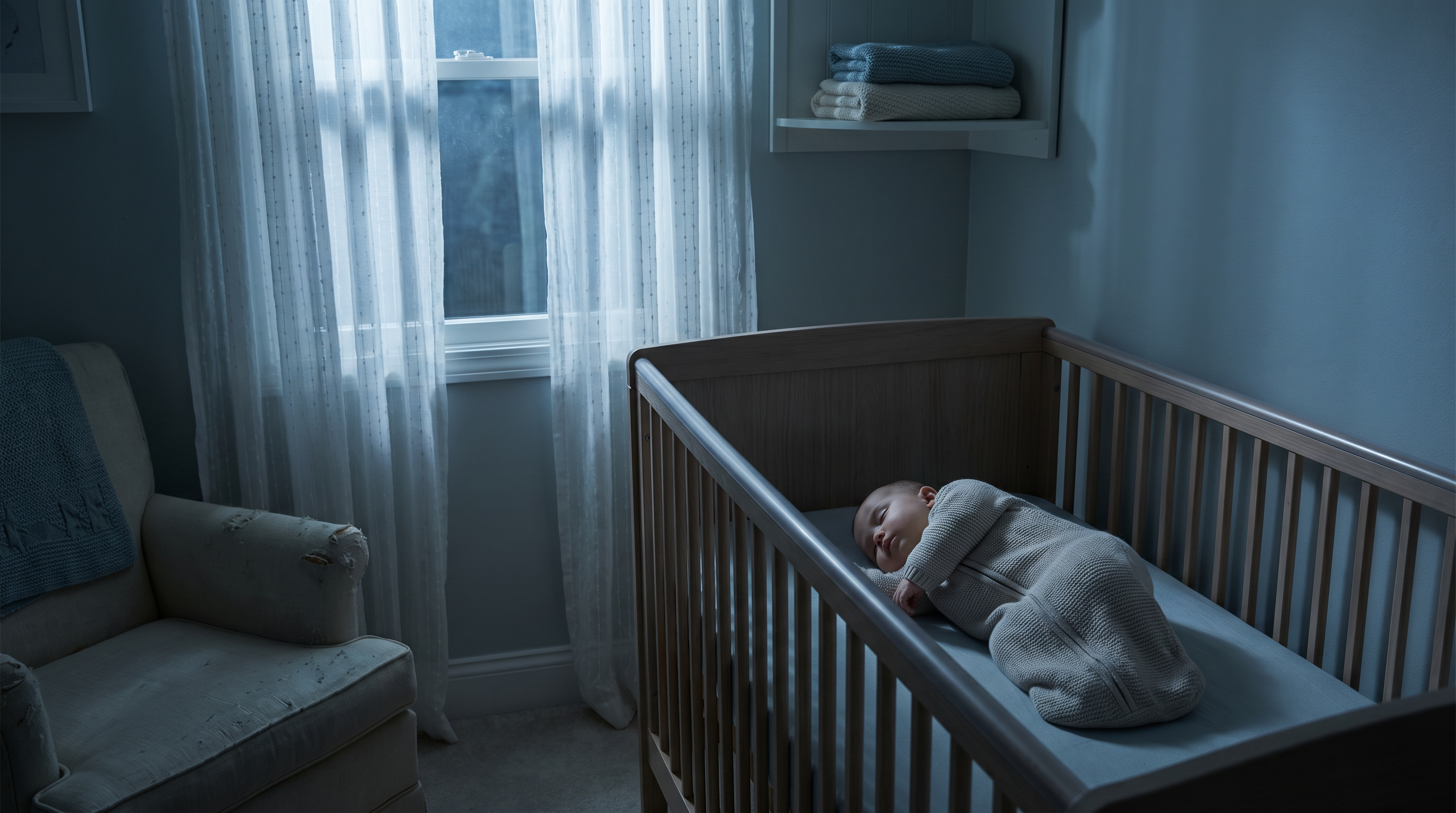
Sleep is a vulnerable state. To fall asleep and stay asleep, a baby needs to feel completely safe and relaxed. When separation anxiety is at its peak, the act of separating from you to go to sleep can feel incredibly threatening to your little one.
You might notice several changes in your baby's sleep patterns during this time. Bedtime resistance is incredibly common. Your baby might cry the moment you begin the bedtime routine or cling to you when you try to lay them down. Naps can also become a battleground, with your baby refusing to sleep unless they are held or taking unusually short naps.
Night wakings often increase as well. A baby who previously slept through the night might start waking up crying, needing your physical presence to settle back down. This is because they are waking up between sleep cycles, realizing you are not there, and panicking. It is a challenging phase, but it is important to remember that it is temporary and a normal part of baby development.
Gentle Strategies to Support Your Baby
Navigating separation anxiety requires a delicate balance of offering comfort while gently encouraging independent sleep skills. As gentle parents, our goal is never to force independence through harsh methods, but rather to foster it through connection and security. Here are several attachment-friendly strategies to help your baby sleep during this phase.
1. Prioritize Daytime Connection
The foundation of peaceful nighttime sleep is built during the day. When your baby's emotional cup is full of your love and attention, they are better equipped to handle the separation of bedtime. Make a conscious effort to spend focused, uninterrupted time with your baby during their waking hours.
Get down on the floor and play with them. Make eye contact, sing songs, and offer plenty of physical affection. Even ten to fifteen minutes of dedicated, phone-free connection can make a world of difference. When your baby feels deeply connected to you during the day, they will feel more secure when it is time to part ways at night.
2. Practice Short Separations
You can help your baby practice the concept of separation and return in a safe, playful way. Games like peek-a-boo are classic for a reason. They teach your baby that even when you disappear for a moment, you always come back.
As your baby gets older, you can practice leaving the room for very short periods. Tell your baby you are going to the kitchen to get a drink of water and that you will be right back. Keep talking or singing while you are out of sight so they can hear your voice. When you return, greet them warmly. This helps build their trust that your absences are temporary.
3. Create a Predictable Bedtime Routine
A consistent bedtime routine is a powerful tool for signaling to your baby's brain that it is time to wind down and prepare for sleep. During phases of separation anxiety, this predictability becomes even more crucial. Knowing exactly what comes next helps reduce anxiety and provides a sense of security.
Your routine should be calming and connection-focused. It might include a warm bath, a gentle massage, reading a favorite book, and singing a lullaby. Keep the environment dim and quiet. The goal is to create a peaceful transition from the busyness of the day to the stillness of the night. If you need more ideas, check out our comprehensive guide to bedtime routines.
4. Linger a Little Longer
When your baby is feeling anxious, rushing the bedtime goodbye will only heighten their distress. Instead, plan to spend a little extra time in their room. After you have finished your routine, hold them for a few more minutes. Offer extra cuddles and words of reassurance.
If your baby cries when you try to leave, it is okay to stay. You can sit in a chair next to their crib, offering a comforting hand or a soothing voice. As they become more relaxed, you can gradually move your chair further away over a period of several nights. This gentle fading approach allows you to support them while still encouraging them to fall asleep in their own space.
5. Introduce a Transitional Object
A transitional object, often called a lovey, can be a wonderful source of comfort for a baby experiencing separation anxiety. This could be a small, soft blanket or a safe stuffed animal. The object serves as a physical reminder of your love and presence when you are not there.
To help your baby bond with the lovey, try sleeping with it yourself for a few nights so it absorbs your scent. Then, incorporate it into your feeding and bedtime routines. Over time, your baby may begin to associate the lovey with comfort and security, reaching for it when they wake in the night.
🌙A gentle note: For safe sleep, the American Academy of Pediatrics recommends keeping the crib completely bare for the first 12 months. Do not introduce a lovey or any loose items into the sleep environment until your baby is at least one year old.
6. Respond with Empathy at Night
When your baby wakes up crying in the middle of the night, their fear is very real to them. They need your reassurance to feel safe enough to go back to sleep. Respond promptly and calmly. Go to them, offer comfort, and let them know you are there.
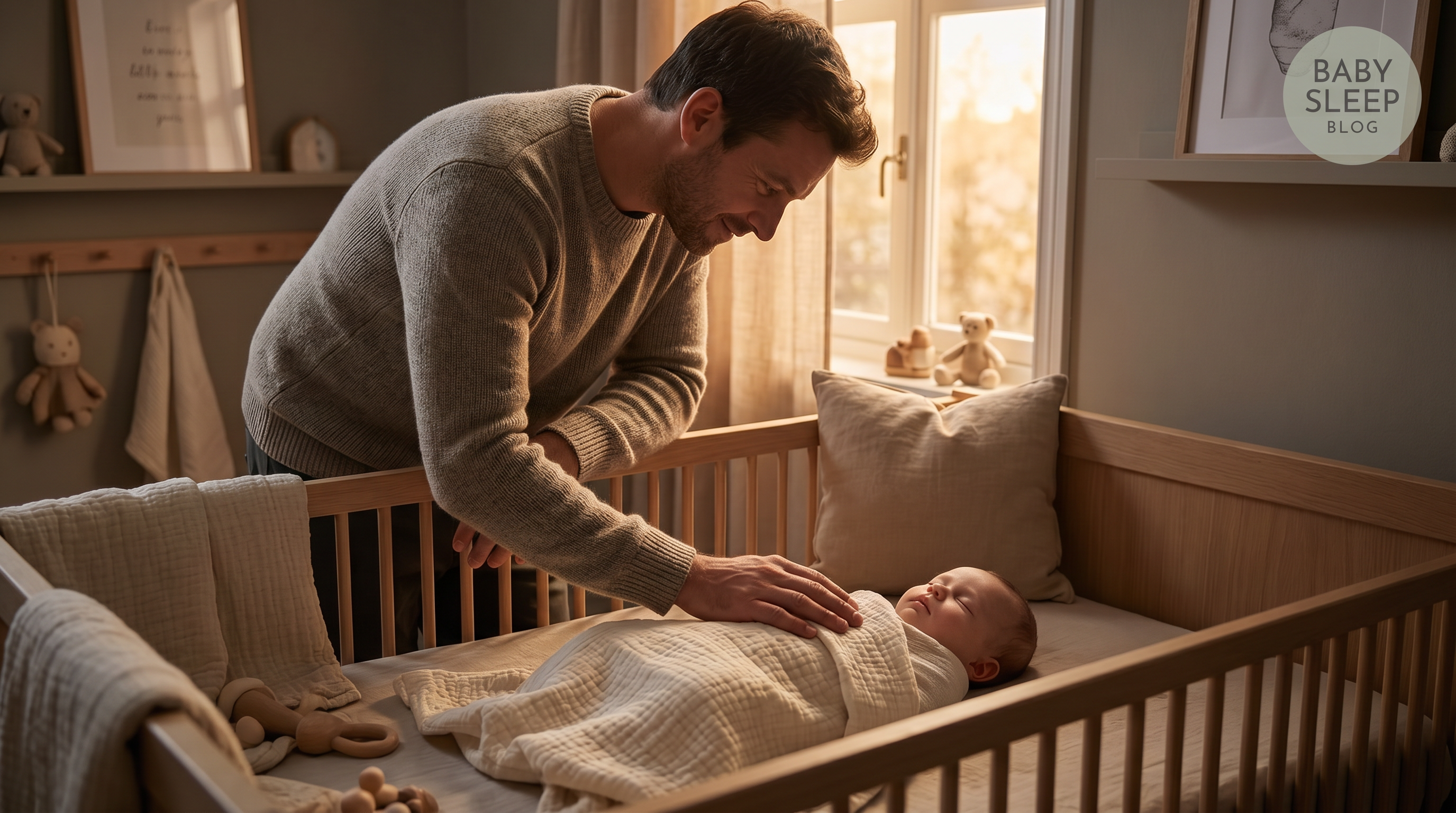
Keep the lights low and your voice soft. Avoid turning on bright lights or engaging in stimulating play. Your goal is to convey that it is still sleep time, but that they are safe and loved. Sometimes, a gentle hand on their chest or a few minutes of rocking is all they need to settle back down.
What to Avoid During Separation Anxiety
When you are exhausted and desperate for sleep, it can be tempting to try anything to get your baby to settle. However, certain approaches can actually exacerbate separation anxiety and make sleep struggles worse in the long run.
Avoid Sneaking Out
It might seem easier to slip out of the room while your baby is distracted, but this can severely damage their trust. If they suddenly realize you are gone without warning, it reinforces their fear that you might disappear at any moment. Always say a clear, confident goodbye, even if it results in a few tears. Let them know you are leaving but that you will always come back.
Avoid Cry-It-Out Methods
Traditional sleep training methods that involve leaving a baby to cry alone for extended periods are particularly unhelpful during phases of separation anxiety. These methods, often referred to as cry-it-out, rely on the premise that the baby will eventually learn to self-soothe. However, when a baby is experiencing genuine panic over separation, leaving them alone only validates their fear that their caregiver is unavailable.
In contrast, gentle, attachment-focused methods prioritize responding to the baby's emotional needs. By offering consistent comfort and reassurance, you teach your baby that they are safe and that their needs will be met. This builds a foundation of trust that ultimately leads to more peaceful, independent sleep in the long term.
Avoid Major Transitions
If possible, try to avoid introducing major changes during a peak of separation anxiety. This is not the ideal time to transition from a crib to a toddler bed, start potty training, or wean from nursing. Your baby is already feeling vulnerable, and adding more changes will only increase their stress. Wait until the phase has passed and they are feeling more secure before tackling new milestones.
Understanding the Role of Temperament
It is also important to recognize that every baby is born with their own unique temperament, which plays a significant role in how they experience and express separation anxiety. Some babies are naturally more adaptable and easygoing, while others are more sensitive and cautious. A highly sensitive baby may experience separation anxiety more intensely and for a longer duration than a more adaptable peer.
Sensitive babies often have a lower threshold for stimulation and may become easily overwhelmed by changes in their environment or routine. For these little ones, the realization that they are separate from you can be particularly jarring. They may require even more reassurance, patience, and physical closeness to feel secure.
Understanding your baby's temperament can help you tailor your approach to their specific needs. If you know your baby is highly sensitive, you can be proactive in offering extra support during transitions and avoiding unnecessary disruptions to their routine. By honoring their unique personality, you can help them navigate this challenging phase with greater ease and confidence.
The Importance of Consistency
When dealing with separation anxiety, consistency is your greatest ally. Babies thrive on predictability. When they know what to expect, they feel safer and more secure. This applies to everything from their daily schedule to your responses to their distress.
Try to maintain a consistent rhythm to your days, with regular times for meals, naps, and play. This predictable structure provides a comforting framework for your baby, helping them feel grounded even when their internal world feels chaotic. Similarly, strive for consistency in how you respond to their nighttime wakings. If you decide to offer comfort by sitting next to their crib, do so consistently rather than bringing them into your bed one night and leaving them in their crib the next.
Inconsistent responses can be confusing for a baby and may actually prolong the separation anxiety phase. By providing a steady, predictable presence, you reinforce their sense of security and help them build the confidence they need to sleep independently.
Fostering Independence Through Connection
It may seem counterintuitive, but the best way to foster independence in a child is to meet their dependency needs fully and consistently. When a baby feels completely secure in their attachment to you, they are more willing to explore the world and take risks, knowing they have a safe base to return to.
During phases of separation anxiety, your baby is essentially asking for reassurance that their safe base is still there. By responding with warmth and empathy, you are answering that question with a resounding yes. You are filling their emotional cup, giving them the strength and confidence they need to eventually separate from you without fear.
This process takes time, and there will be setbacks along the way. But by prioritizing connection and responding to their needs with love, you are laying the groundwork for a lifetime of healthy independence and emotional resilience. Remember, you are not spoiling your baby by comforting them; you are giving them the tools they need to thrive.
Navigating Daycare and Caregiver Transitions
For many families, separation anxiety coincides with the transition to daycare or a new caregiver. This can be an incredibly stressful time for both the parents and the child. To ease this transition, it is crucial to approach it gradually and with a great deal of sensitivity.
If possible, start by having the new caregiver spend time with your baby while you are still present. This allows your baby to become familiar with the new person in the safety of your presence. Gradually increase the amount of time the caregiver spends alone with your baby, starting with just a few minutes and slowly building up to longer periods.
When it is time for the final drop-off, keep your goodbye brief but loving. Do not drag it out, as this can increase your baby's anxiety. Leave them with a comfort object, such as a family photo or a piece of clothing that smells like you. And most importantly, project confidence. If you are calm and positive, your baby is more likely to feel safe and secure in their new environment.
The Impact of Parental Anxiety
It is a well-documented phenomenon that babies are incredibly attuned to their parents' emotional states. They act as little emotional sponges, absorbing the energy and feelings of the adults around them. If you are feeling anxious, stressed, or guilty about leaving your baby, they will likely pick up on those emotions and become anxious themselves.
This is why managing your own anxiety is a crucial part of helping your baby through separation anxiety. Before a separation, take a few deep breaths and consciously try to relax your body. Remind yourself that your baby is safe and that this separation is a normal, healthy part of their development.
When you project calm confidence, you send a powerful message to your baby that there is nothing to fear. You become their emotional anchor, helping them weather the storm of their own anxiety. If you find that your own anxiety is overwhelming and interfering with your ability to support your baby, do not hesitate to seek professional help for yourself. Taking care of your mental health is one of the best things you can do for your child.
Rebuilding Trust After a Difficult Separation
Despite your best efforts, there may be times when a separation goes poorly. Perhaps you had to leave in a rush, or maybe your baby was particularly tired or unwell and became inconsolable. If this happens, it is important to take steps to repair the connection and rebuild their trust.
When you reunite with your baby, offer abundant physical affection and verbal reassurance. Acknowledge their feelings, saying something like, I know it was hard when I left today. I missed you too, and I am so glad to be back. Spend some focused, uninterrupted time playing and connecting with them.
Do not beat yourself up over a difficult separation. Parenting is a journey of continuous learning and adjustment. By focusing on repair and connection, you can help your baby process their difficult emotions and strengthen the bond between you. Every rupture is an opportunity for a beautiful repair.
Embracing the Journey of Gentle Parenting
Navigating separation anxiety is just one of the many challenges you will face on your gentle parenting journey. It requires immense patience, empathy, and a willingness to look beyond the surface behavior to understand the underlying emotional needs.
But the rewards of this approach are immeasurable. By responding to your baby's distress with love and understanding, you are building a relationship based on trust and mutual respect. You are teaching them that their feelings are valid and that they are worthy of comfort and care.
As you move through this challenging phase, keep the big picture in mind. You are not just trying to get your baby to sleep; you are shaping their developing brain and laying the foundation for their future emotional well-being. Trust the process, trust your baby, and most importantly, trust yourself. You are doing a wonderful job.
Taking Care of Yourself
Supporting a baby through separation anxiety is incredibly demanding. The constant need for your physical presence, coupled with broken sleep, can quickly lead to parental burnout. It is absolutely vital that you prioritize your own well-being during this time.
Remember that you cannot pour from an empty cup. Seek support from your partner, family members, or friends. Allow them to take over some of the daytime care so you can rest or simply have a few moments to yourself. If you are feeling overwhelmed, do not hesitate to reach out to a supportive community or a professional who aligns with your gentle parenting values.
Practice self-compassion. There will be nights when nothing seems to work, and you feel like you are failing. You are not. You are doing the hard, beautiful work of nurturing a human being. Give yourself grace and remember that this is a season, and like all seasons, it will pass.
The Light at the End of the Tunnel
Separation anxiety is a challenging but necessary step in your baby's emotional development. It is a profound expression of their love for you and their growing understanding of the world. By responding with patience, empathy, and consistent comfort, you are helping them build a secure attachment that will serve them for a lifetime.
While the nights may feel long right now, this phase will not last forever. As your baby's cognitive skills continue to develop, they will begin to understand that your absences are temporary. They will learn to trust that you will always return, and their anxiety will gradually subside.
In the meantime, hold them close, offer endless reassurance, and trust your parental instincts. You are exactly what your baby needs. By navigating this phase with a gentle, attachment-friendly approach, you are not just helping them sleep; you are teaching them that the world is a safe place and that they are deeply, unconditionally loved.
For more support on your gentle parenting journey, explore our core principles of gentle parenting and discover how to build a strong, lasting connection with your child.
 Gentle Parenting