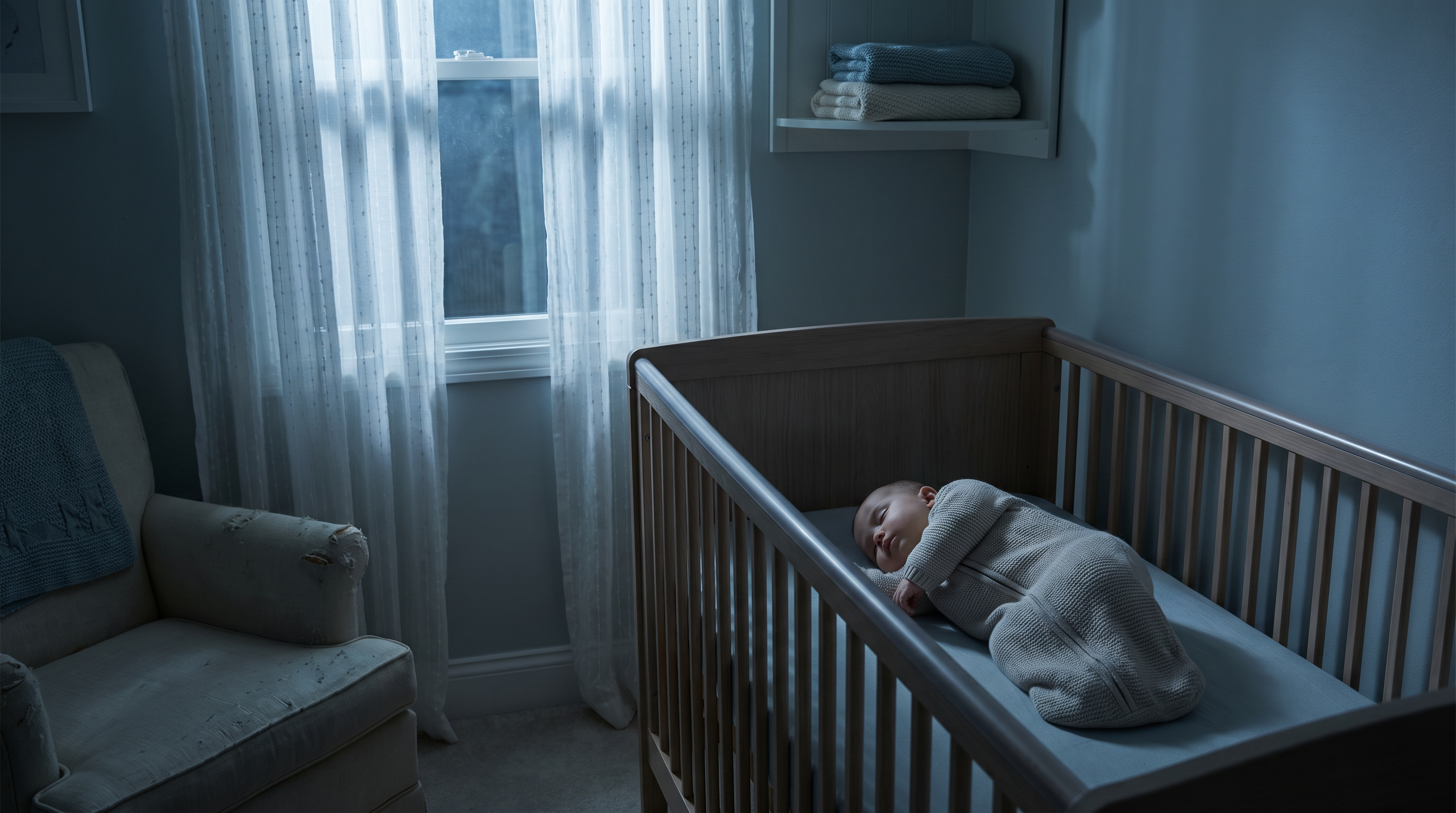
Postpartum Sleep Deprivation: Your Gentle Survival Guide
That first moment you hold your newborn is pure magic. But as the days and nights begin to blur, a new reality sets in: postpartum sleep deprivation. It’s more than just feeling tired; it’s a profound exhaustion that can seep into every corner of your life. If you’re feeling overwhelmed and depleted, please know you are not alone, and it is not a sign of weakness. At SleepingBabyGuide.com, we understand that navigating this phase requires compassion and support, not rigid, cry-it-out sleep training methods that go against your instincts.
The Real Impact of Postpartum Sleep Deprivation on Your Health
In our society, there\'s often a tendency to downplay the severity of postpartum sleep deprivation, treating it as a simple rite of passage. However, the effects are significant and can impact your physical, mental, and emotional health in very real ways. Recognizing these impacts is the first step toward finding gentle, sustainable solutions that honor both your needs and your baby’s.
How Your Body Copes with Chronic Exhaustion
Your body performs countless restorative processes during sleep. When sleep is consistently fragmented, your physical health can begin to suffer. This isn\'t just about feeling groggy; it\'s a systemic issue.
- Compromised Immune Function: Are you catching every cold that goes around? Chronic sleep loss suppresses the production of cytokines, proteins that are crucial for fighting off infections and inflammation. This leaves you more susceptible to getting sick.
- Hormonal Disruption: Sleep is a master regulator of your endocrine system. Lack of sleep can throw key hormones out of balance, including cortisol (the stress hormone), ghrelin (which signals hunger), and leptin (which signals fullness). This can lead to increased stress, sugar cravings, and difficulty managing your weight postpartum.
- Slowed Physical Recovery: Childbirth is a major physical event, and your body needs deep, restorative sleep to heal tissues, repair muscles, and recover fully. Postpartum sleep deprivation can significantly prolong this natural healing process.
- Increased Accident Risk: Severe fatigue impairs your cognitive function, reaction time, and judgment as much as being intoxicated. This increases the risk of accidents, whether it\'s a slip at home or a mistake while driving.
The Invisible Weight on Your Mental and Emotional State
The mental and emotional toll of postpartum sleep deprivation is often the heaviest burden. It can create a persistent brain fog and emotional volatility that makes it difficult to feel like yourself.
- Heightened Mood Swings and Irritability: The part of your brain responsible for emotional regulation, the amygdala, becomes hyperactive without enough sleep. This can lead to intense mood swings, a very short fuse, and feelings of being constantly on edge.
- Cognitive Impairment: Often called "mommy brain," the forgetfulness and difficulty concentrating you experience are real neurological effects of sleep loss. It affects your ability to problem-solve, organize tasks, and retain new information.
- Magnified Risk for Perinatal Mood Disorders: While sleep deprivation does not cause postpartum depression or anxiety, it is a major contributing factor. The relentless exhaustion can deplete your coping resources, making you more vulnerable to developing or worsening symptoms of these conditions.
Gentle, Responsive Ways to Manage Postpartum Sleep Deprivation
We want to be clear: we will never advise you to leave your baby to cry alone. The work of experts like Dr. attachment science research highlights how responsive parenting helps build a secure attachment and a healthy, resilient nervous system. Prolonged crying floods a baby\'s brain with cortisol, which can be harmful. Your bond is sacred, and nighttime parenting is a vital part of that connection. Here are gentle strategies to help you get more rest.
A 5-Step Guide to Finding More Rest, Gently
- Master the Art of "Le Pause": This is a cornerstone of the French parenting philosophy and it is profoundly different from cry-it-out. When you hear your baby stir or fuss at night, wait just a minute or two before responding. Observe and listen. Babies are noisy sleepers and often transition between sleep cycles with grunts and brief cries. By pausing, you give them a chance to resettle on their own. This is not abandonment; it is attunement. You are listening to what they truly need.
- Create a Team-Based Sleep Strategy: If you have a partner, you are a team. Divide the night into shifts. For example, one partner takes all wake-ups from 9 PM to 2 AM, while the other takes 2 AM to 7 AM. This allows each of you to get a consolidated 4-5 hour block of sleep, which is immensely more restorative than fragmented sleep. If you are a single parent, build your village. Can a trusted friend or family member come over for a few hours during the day so you can nap?
- Optimize Your Sleep Environment: Make your bedroom a sanctuary for sleep. Use blackout curtains to make it pitch dark, run a white noise machine to block out disruptive sounds, and keep the temperature cool. This applies to your baby’s sleep space as well, always ensuring it is safe and free of loose bedding.
- Sleep When the Baby Sleeps (Seriously): This advice is a cliché for a reason. It is the single most effective way to chip away at your sleep debt. The laundry can wait. The dishes can wait. Your social media feed can definitely wait. When your baby is asleep, your number one priority is to rest. Even a 20-minute nap can improve alertness and mood.
- Nourish Your Body for Energy: When you\'re exhausted, it\'s easy to reach for sugar and caffeine for a quick boost, but this often leads to a crash. Focus on nutrient-dense foods: lean proteins, healthy fats, and complex carbohydrates. Stay incredibly hydrated, especially if you are breastfeeding. This provides your body with sustained energy to better handle the fatigue.
Key Takeaways for the Sleep-Deprived Parent
In the thick of it, it can be hard to see the light at the end of the tunnel. Here are the most important things to remember:
- Your feelings are valid. Postpartum sleep deprivation is incredibly hard. Give yourself grace.
- You are your baby\'s safe space. Responding to their needs with love and compassion builds a foundation of trust and security.
- Small pockets of rest add up. Don\'t dismiss the power of a 20-minute nap or an early bedtime.
- Asking for help is a strength. It takes a village to raise a child, and it takes a village to support a new parent.
You Are Doing an Amazing Job
Navigating the challenges of postpartum sleep deprivation while caring for a new life is a monumental task. Remember to be as gentle with yourself as you are with your baby. Every responsive act, day or night, strengthens the beautiful bond you share. You are the expert on your child, and your instincts matter. For more tips on creating a gentle sleep foundation, explore our free guide or browse the supportive resources in our shop. You are not alone in this, and you are doing a wonderful job.
 Gentle Parenting