The Science Behind Le Pause: Why Waiting a Moment Can Improve Baby Sleep
Every parent knows that heart-stopping moment: a tiny whimper, a rustle in the crib, and suddenly, your baby is stirring. Your first instinct is often to rush in, to soothe, to reassure. But what if, in those precious few seconds, a gentle pause could actually empower your baby to find their own way back to sleep, fostering a deeper, more restorative rest for everyone? It sounds counterintuitive, especially when exhaustion clouds your judgment, but there's a profound science behind this gentle approach, known as "Le Pause."
Why This Happens
Understanding why babies wake and why a brief pause can be beneficial requires a look into their unique sleep architecture and developmental stages. Unlike adult sleep, which typically consolidates into longer stretches, infant sleep is characterized by shorter cycles and a higher proportion of active sleep. Newborns, for instance, spend about 50% of their sleep in REM (rapid eye movement) sleep, compared to 20% in adults. This active sleep is crucial for brain development, but it also means babies are more easily roused.
Babies transition between sleep cycles approximately every 45-60 minutes. At the end of each cycle, they naturally enter a lighter sleep stage, often briefly waking or stirring. This is a completely normal physiological process. For many infants, these brief awakenings are opportunities to practice self-soothing skills. If a parent immediately intervenes at every sound, the baby doesn't get the chance to learn how to connect these sleep cycles independently. They learn to rely on external cues (like parental presence or feeding) to fall back asleep, rather than developing their innate ability to do so.
Furthermore, a baby's cry isn't always a sign of distress requiring immediate intervention. Sometimes, it's a "sleep cry" or a "settling cry" as they shift positions, pass gas, or simply transition between sleep states. Responding too quickly to these non-distress cues can inadvertently teach a baby that every sound they make will result in immediate parental attention, potentially disrupting their natural sleep rhythm and hindering the development of independent sleep skills. Learning to differentiate between a true cry of need and a settling sound is key. This discernment is not always easy, especially when exhausted, but with practice and careful observation, parents can recognize subtle differences in vocalizations and movements, allowing for a more informed and responsive approach.
It's also important to consider **sleep associations**. If a baby consistently falls asleep while being rocked, fed, or held, they may come to associate these external actions with sleep. When they naturally wake between sleep cycles, they then require these same conditions to fall back asleep. Le Pause gently encourages babies to form positive, internal sleep associations, empowering them to resettle themselves without external help. This doesn't mean never comforting your baby; it means providing comfort in a way that supports their growing independence.
What Most Parents Try First (And Why It Doesn't Stick)
In the haze of sleep deprivation, parents often resort to strategies that offer immediate relief but don't necessarily foster long-term independent sleep. One common approach is immediate intervention: rushing to pick up, feed, or rock the baby at the first sound. While this provides comfort in the moment, it can inadvertently create a "sleep prop." A sleep prop is anything external a baby relies on to fall asleep or fall back asleep. If the prop isn't present when they naturally rouse between sleep cycles, they struggle to return to sleep.
Another common mistake is inconsistent responses. This can be confusing for a baby, making it harder for them to establish predictable sleep patterns. Babies thrive on routine and predictability. When responses are unpredictable, they don't learn what to expect, and their sleep can become more fragmented.
Many parents also fall into the trap of trying too many different methods at once, or giving up on a gentle approach too soon. It's understandable; when you're exhausted, you want a quick fix. However, gentle sleep improvement takes time, consistency, and patience. Jumping from one strategy to another without giving any a real chance to work can lead to frustration for both parents and baby, and ultimately, doesn't address the underlying issues preventing independent sleep. Consistency with a chosen gentle method is paramount. The emotional toll of inconsistent sleep strategies can also be significant for parents, leading to increased stress and self-doubt. A clear, consistent plan, even if it takes time, often provides more peace of mind in the long run.
The Gentle Night Method Approach
The Gentle Night Method is built on the principles of attachment science and responsive parenting, ensuring that secure bonding and good sleep are not opposing forces. "Le Pause" is a cornerstone of this method, offering a respectful, effective way to encourage independent sleep without resorting to cry-it-out techniques. It's about giving your baby the space to learn, while always being there to respond to genuine needs.
Here's how "Le Pause" integrates into The Gentle Night Method:
-
Understanding Sleep Cues: Before implementing Le Pause, it's vital to become attuned to your baby's unique sleep cues and sounds. Is it a distressed cry, or a grumble as they resettle? Observing your baby during these brief awakenings helps you differentiate between a true need and a self-soothing attempt. This discernment is a skill that develops with practice and observation. Pay attention to the intensity, rhythm, and tone of their cries. A sharp, urgent cry often signals hunger or discomfort, while a softer, more rhythmic sound might indicate they are simply stirring or trying to find a comfortable position.
-
The Observational Pause: When your baby stirs or makes sounds during the night, instead of immediate intervention, you take a brief, predetermined pause. This isn't about ignoring your baby; it's about observing them. The length of this pause can vary based on your baby's age and temperament, starting with a very short duration (e.g., 30 seconds for a newborn) and gradually increasing as they get older and more capable of self-soothing. During this pause, you watch and listen, allowing your baby the opportunity to resettle on their own. This pause provides a crucial window for your baby to practice their innate self-soothing abilities, which are essential for connecting sleep cycles independently. It's a powerful act of trust in your baby's capabilities.
-
Responsive Intervention: If, after your observational pause, your baby's cries escalate or indicate genuine distress, you respond gently and responsively. This might involve a quick check-in, a gentle pat, or a feeding if it's time. The key is to provide comfort and reassurance without reintroducing sleep props that prevent independent sleep. The goal is to meet their needs while still encouraging them to do as much as they can for themselves. For instance, if your baby is genuinely hungry, feed them. If they need a diaper change, change them. But then, return them to their sleep space drowsy but awake, giving them the chance to fall asleep independently from that point.
-
Consistency is Key: For Le Pause to be effective, it needs to be applied consistently. Both parents (if applicable) should be on the same page regarding the length of the pause and the nature of the responsive intervention. Consistency helps your baby understand the new pattern and build confidence in their ability to fall back asleep. Inconsistency can send mixed signals, making the process longer and more confusing for your little one. A united front from caregivers reinforces the gentle boundaries being established.
-
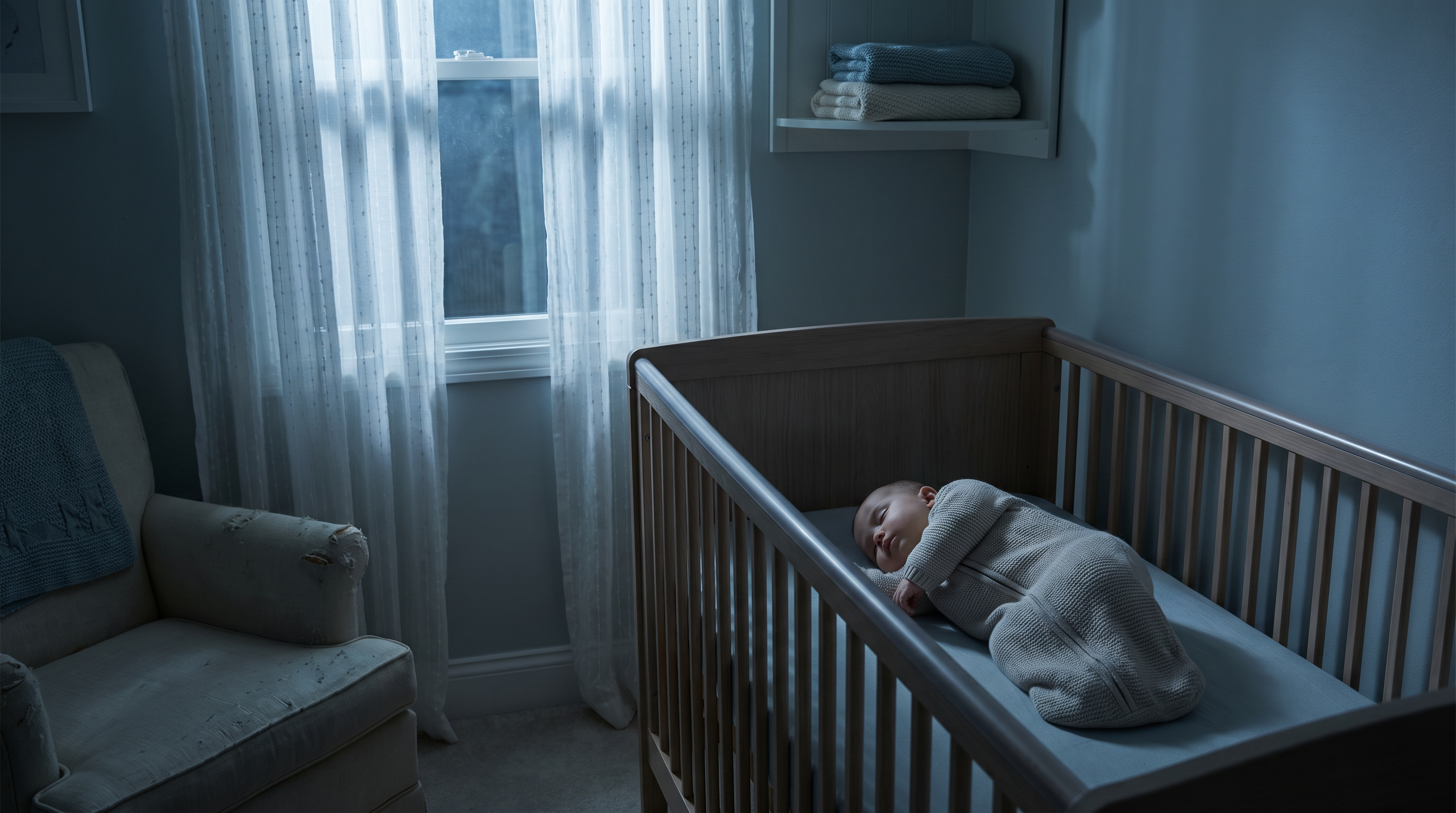
Creating a Calming Sleep Environment: Le Pause works best when combined with a supportive sleep environment. This includes a dark, quiet, and cool room, a consistent bedtime routine, and ensuring your baby is well-fed and comfortable before bedtime. A conducive environment sets the stage for successful independent sleep. Consider elements like white noise to mask household sounds, blackout curtains to block out light, and a comfortable sleep sack to keep your baby cozy and safe. A predictable bedtime routine also signals to your baby that it's time to wind down, preparing them for sleep.
This gentle, step-by-step framework respects your baby's developmental stage and their need for secure attachment, while gradually guiding them towards more consolidated sleep. It's a testament to the power of subtle shifts and consistent, loving support. By empowering your baby to develop these crucial self-soothing skills, you're not just improving their sleep, but also fostering their confidence and resilience.
Ready to take action?
The complete step-by-step plan is in your age-specific guide
This article covers the science and principles. The full Gentle Night Method guide gives you the exact night-by-night plan, sample schedules, troubleshooting scripts, and what to do when things do not go as expected.
Find my guide →
 Sleep Science