Travel With Baby: Gentle Sleep Survival Guide for Time Zones and New Beds
The thought of traveling with your little one can feel overwhelming, especially when you've worked so hard to establish gentle sleep rhythms at home. The fear of disrupting routines, battling time zone changes, and navigating unfamiliar sleep environments is real, and it's completely understandable to feel a bit anxious about how your baby will cope. But what if you could approach travel not as a sleep-destroying ordeal, but as an opportunity to gently adapt and strengthen your baby's sleep foundations, even on the go?
Why This Happens
Babies, especially infants and young toddlers, thrive on predictability and routine. Their internal clocks, or circadian rhythms, are still developing and are highly sensitive to external cues like light, darkness, and feeding schedules. When these cues are suddenly altered, as they are during travel, it can throw their delicate systems out of sync. This isn't a sign of a 'bad' sleeper or a failure on your part; it's a natural biological response.
Circadian Rhythm Disruption: Our bodies, and especially a baby's, are wired to a 24-hour cycle. When you cross time zones, this internal clock gets confused. Melatonin, the sleep hormone, might be released at the 'wrong' time, making it hard for your baby to fall asleep or stay asleep when you want them to. Light exposure plays a huge role here; bright light at night can suppress melatonin, while darkness in the morning can delay waking.
Novelty and Stimulation: A new environment, while exciting for adults, can be overstimulating for a baby. New sights, sounds, smells, and even a different crib or bed can be perceived as a threat to their sense of security. Babies rely on familiar surroundings to feel safe enough to relax and drift off to sleep. This heightened awareness can make it difficult for them to settle down, even if they are tired.
Developmental Leaps: Travel often coincides with periods of intense developmental growth. A baby learning to crawl, stand, or babble might experience 'sleep regressions' even without travel. Add a new environment to the mix, and these developmental milestones can manifest as increased wakefulness or fussiness at night. Their brains are busy processing new skills, and sleep can sometimes take a backseat.
Changes in Routine: Beyond time zones and environment, travel often means a shift in daily routines. Feeding times might change, nap schedules can become erratic, and the comforting rituals you've established at home might be difficult to replicate. Babies find comfort and security in routine, and even minor deviations can impact their ability to transition smoothly into sleep.
Understanding these underlying biological and developmental factors helps us approach travel sleep challenges with empathy and patience, rather than frustration. It's not about 'fixing' a problem, but gently guiding your baby's system back into balance.
What Most Parents Try First (And Why It Doesn't Stick)
When faced with travel-induced sleep disruptions, many well-meaning parents instinctively reach for quick fixes or revert to methods that, while seemingly effective in the short term, often don't provide lasting gentle sleep solutions. It's easy to fall into these traps, especially when exhaustion is high and patience is low. Let's explore some common approaches and why they might not align with a gentle, attachment-focused philosophy.
Pushing Through Exhaustion: A common instinct is to try and keep the baby awake longer, hoping they'll be so tired they'll crash and sleep through the night. While this might occasionally work for a single nap, consistently overtiring a baby often backfires. An overtired baby produces more cortisol, a stress hormone, which makes it harder for them to settle down, leading to more fragmented sleep and increased fussiness. It creates a cycle of exhaustion that's difficult to break.
Ignoring Sleep Cues: In the excitement or chaos of travel, it's easy to miss or dismiss your baby's subtle sleep cues. A yawn here, a rub of the eyes there, might be overlooked in favor of sightseeing or family gatherings. However, ignoring these cues means you're often trying to put a baby to sleep when they're already past their optimal sleep window, making the process much more challenging and stressful for both of you.
Abandoning All Routines: While flexibility is key during travel, completely abandoning all semblance of a routine can be detrimental. Babies thrive on predictability. When feeding times, nap times, and bedtime rituals become completely random, it removes the comforting structure that helps them feel secure and understand what's coming next. This can lead to increased anxiety and resistance to sleep.
Expecting Instant Adaptation: It's natural to hope your baby will immediately adjust to a new time zone or environment. However, a baby's circadian rhythm takes time to reset, often a day for every hour of time difference. Expecting them to instantly sleep through the night in a new place can lead to frustration and disappointment when it doesn't happen, potentially pushing parents towards less gentle methods out of desperation.
Relying Heavily on Screens or Unfamiliar Crutches: In an attempt to soothe a fussy baby or distract them during travel, parents might introduce new sleep associations like extended screen time, excessive rocking, or pacifiers if they weren't previously used. While these can offer temporary relief, they can also create new sleep crutches that are difficult to break once you return home, undermining the gentle sleep habits you've worked to build.
It's important to remember that these responses often come from a place of love and exhaustion. Recognizing why these common approaches might not be the most effective for gentle sleep allows us to pivot towards strategies that are more aligned with your baby's natural rhythms and your family's values. For a deeper dive into common sleep challenges and gentle solutions, our guide on how-to-build-secure-attachment-and-get-more-sleep offers valuable insights.
The Gentle Night Method Approach
Traveling with a baby doesn't have to mean sacrificing gentle sleep. The Gentle Night Method is all about understanding your baby's needs and providing responsive, loving support, even when you're far from home. It's about creating a sense of security and predictability amidst the newness, allowing your baby to adapt at their own pace. Here's how we approach travel sleep with empathy and practical strategies.
1. Proactive Time Zone Adjustment
Instead of waiting for jet lag to hit, start adjusting your baby's schedule a few days before you travel. If you're traveling east, shift bedtime and wake-up times earlier by 15-30 minutes each day. If traveling west, shift them later. This gradual approach helps ease their circadian rhythm into the new time zone. Upon arrival, immediately switch to the local time for all feeds, naps, and bedtime. Maximize natural light exposure during the day and ensure darkness at night to help reset their internal clock. For older babies, a gentle routine for bedtime can be found in our article on how-to-create-the-perfect-bedtime-routine-for-your-baby.
2. Recreating the Sleep Sanctuary
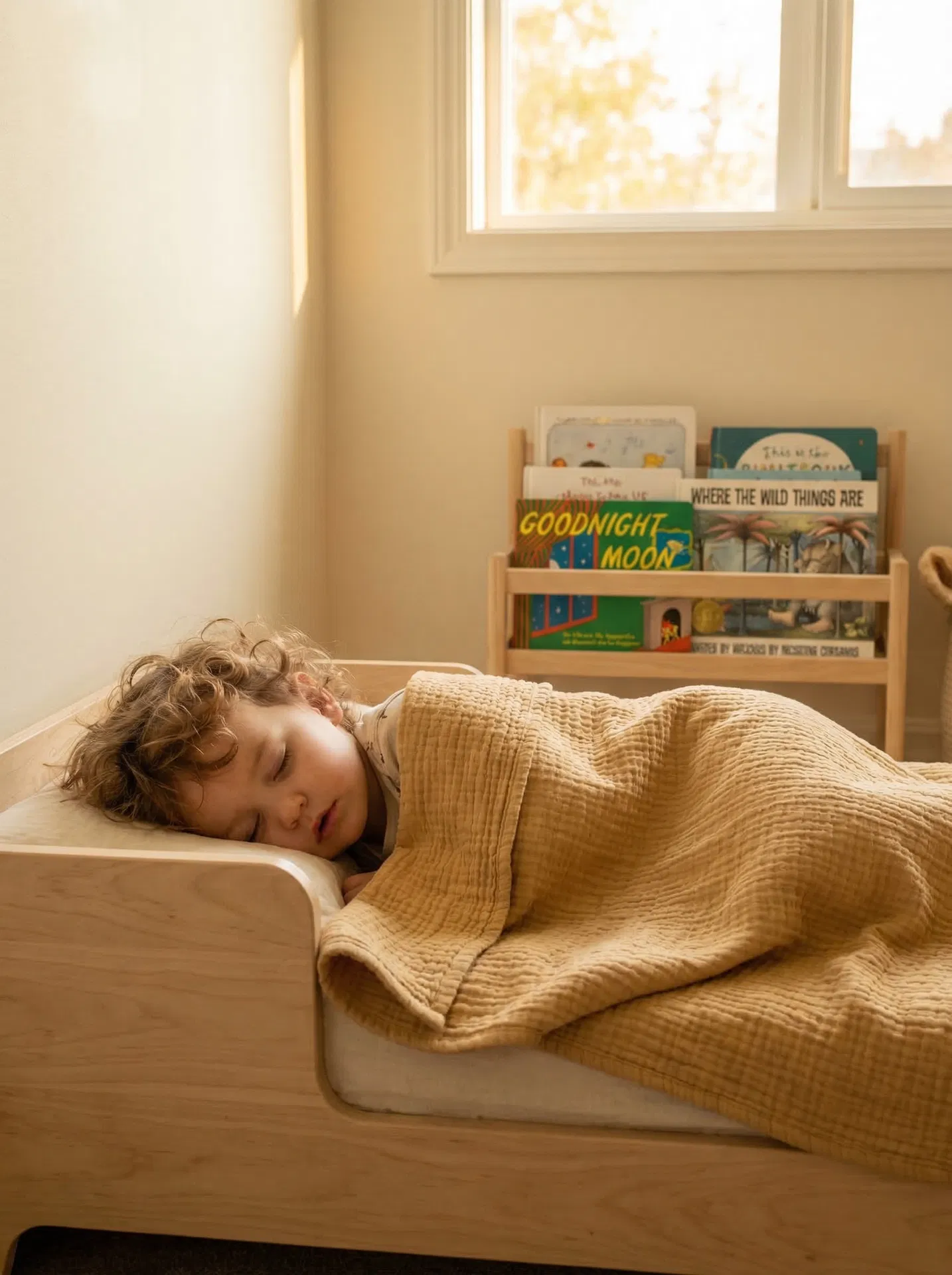
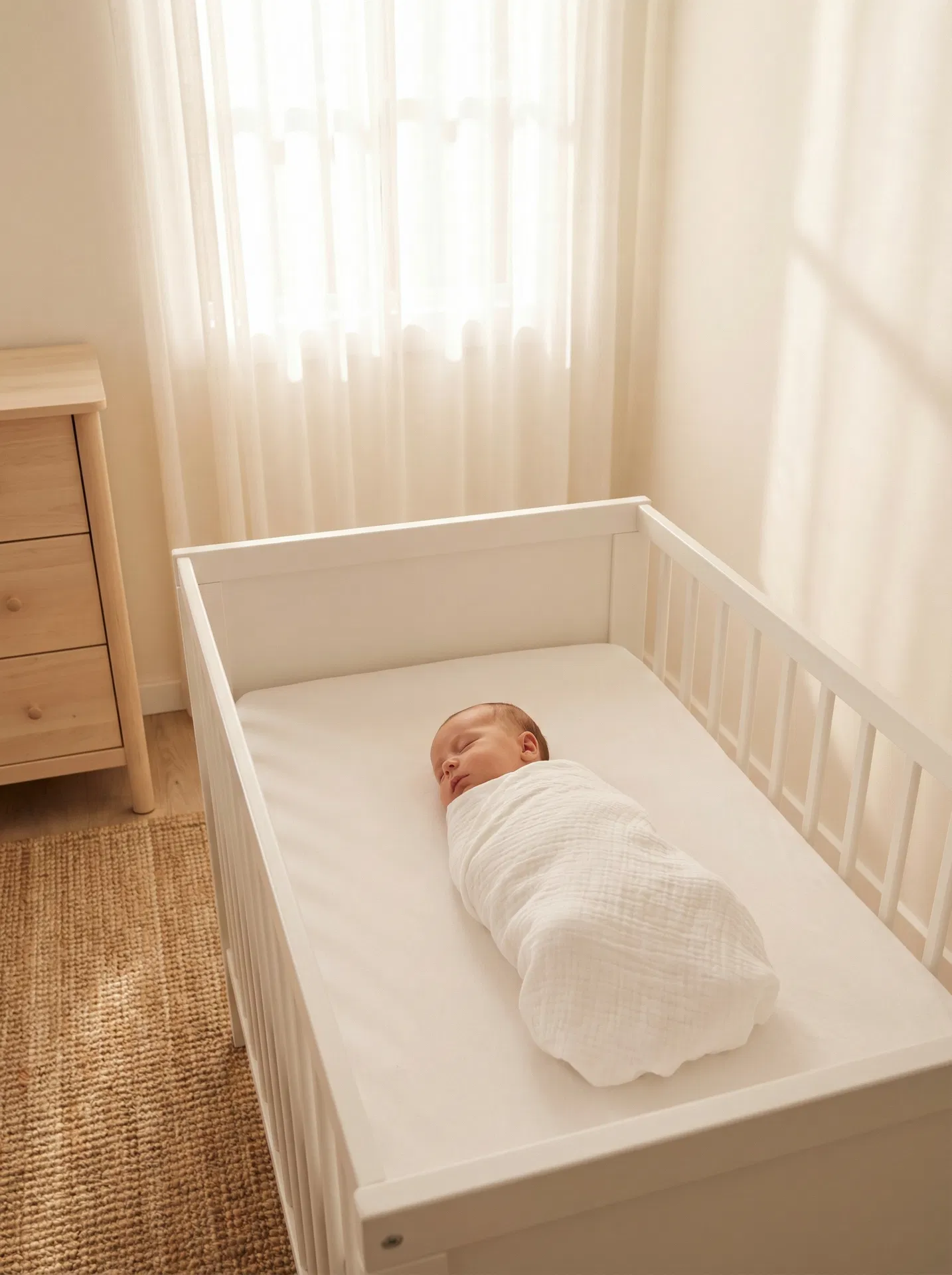
While you can't bring your baby's entire nursery with you, you can recreate key elements of their sleep environment. Pack familiar items like their sleep sack, a beloved lovey, or a small blanket that smells like home. If possible, bring a portable white noise machine or use a white noise app to block out unfamiliar sounds. Use blackout curtains or even travel blackout blinds to ensure the room is as dark as possible, regardless of the time of day. Consistency in the sleep environment signals to your baby that it's time to rest.
3. Prioritizing Naps on the Go
Naps are crucial for preventing overtiredness, which can sabotage nighttime sleep. While travel naps might not always happen in a crib, prioritize them whenever and wherever you can. This might mean naps in a carrier, stroller, or car seat while you're out and about. Don't strive for perfection; aim for adequate rest. If a nap is shorter than usual, offer an earlier bedtime to compensate. Remember, a well-rested baby is a happier traveler and a better sleeper.
4. The Power of Familiar Bedtime Routines
Even if the location changes, your bedtime routine can remain a constant. This familiar sequence of events, like a warm bath, a gentle massage, reading a book, or singing a lullaby, acts as a powerful sleep cue. It signals to your baby that sleep is approaching, providing comfort and security in an unfamiliar setting. Stick to your routine as closely as possible, even if it's condensed or modified for travel. This predictability is a cornerstone of the Gentle Night Method.
5. Responsive Nighttime Parenting
During travel, your baby might wake more frequently or seem more unsettled at night. This is normal. Continue to respond gently and responsively to their needs. Offer comfort, a feed if needed, and reassurance. Remember the 'Le Pause' principle: a brief observational pause before responding to nighttime sounds. Sometimes, babies will resettle themselves. If not, your loving presence is exactly what they need. Avoid introducing new sleep associations out of desperation; instead, lean into the gentle methods you already practice. For more on responsive parenting, our gentle-sleep-support-vs-cry-it-out article provides a clear distinction.
6. Flexibility and Patience
Perhaps the most important aspect of the Gentle Night Method during travel is embracing flexibility and patience. There will be bumps in the road, short naps, and early mornings. Instead of striving for perfection, aim for connection and gentle adaptation. Your baby is learning to navigate a new world, and your calm, reassuring presence is their anchor. Trust that with your gentle guidance, they will adjust, and you will both get through it.
Ready to take action?
The complete step-by-step plan is in your age-specific guide
This article covers the science and principles. The full Gentle Night Method guide gives you the exact night-by-night plan, sample schedules, troubleshooting scripts, and what to do when things do not go as expected.
Find my guide →
 Sleep Environment