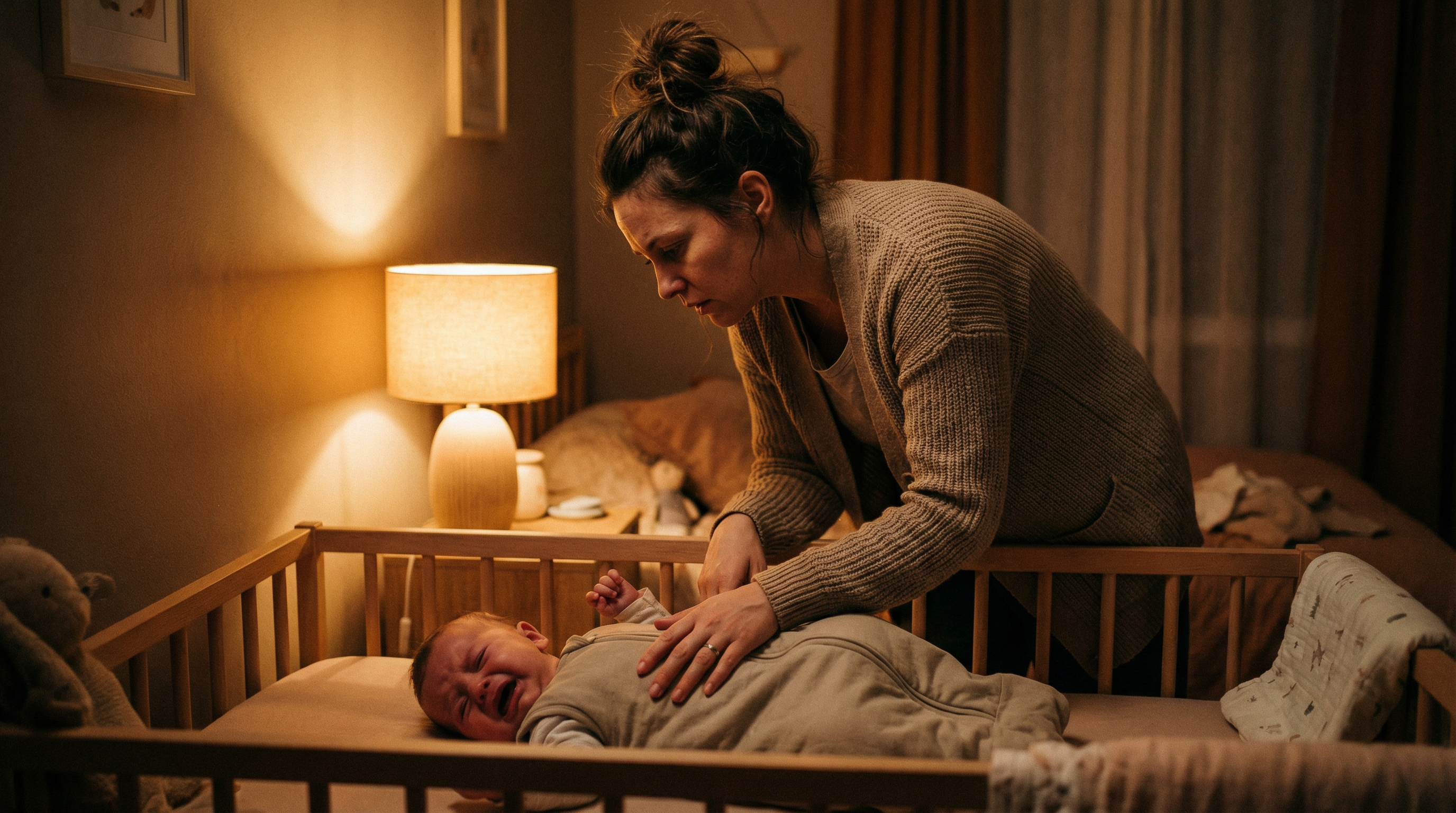
How to Night Wean Gently at 12 Months: A Step-by-Step Guide
As your little one approaches their first birthday, you might find yourself wondering if night feeds are still necessary. You're likely exhausted, perhaps feeling touched out, and dreaming of longer stretches of sleep. Many parents at this stage feel a mix of love, fatigue, and a desire for change, all while wanting to honor their baby's needs and maintain that precious bond. Rest assured, it's possible to reclaim your nights gently, without tears or distress.
Why this happens
By 12 months, most babies are developmentally capable of sleeping through the night without needing calories from night feeds. Their digestive systems are mature enough to handle three meals and two snacks during the day, providing all the nutrition they need. However, night waking for feeds often becomes a habit, a comfort, or a way for your baby to reconnect with you. It's not about hunger, but about association. Your baby has learned that waking up means a feed, and that feed helps them transition back to sleep. This is a completely normal and understandable pattern, rooted in their need for comfort and security. It's a biological drive for connection, not a sign you've done anything "wrong."
What NOT to do
When considering night weaning, it's crucial to avoid methods that involve leaving your baby to cry alone. Approaches like "cry-it-out" can be distressing for both baby and parent, potentially undermining the secure attachment you've worked so hard to build. Forcing a sudden cessation of night feeds can also lead to increased stress for your baby, making the process harder in the long run. Avoid drastic changes or ignoring your baby's cues. Remember, our goal is always gentle, responsive care that respects your baby's emotional needs while guiding them towards independent sleep.
The Gentle Night Method approach
The Gentle Night Method is a structured, step-by-step framework designed to support your baby in achieving longer stretches of sleep, all while preserving your loving bond. For night weaning at 12 months, this approach focuses on gradually reducing the reliance on night feeds, replacing them with other forms of comfort and reassurance. It's about making small, consistent changes that your baby can adapt to, ensuring they feel safe and loved throughout the process.
-
Ensure Adequate Daytime Nutrition: Before you begin, make sure your 12-month-old is consuming enough calories and fluids during the day. Offer three balanced meals and two healthy snacks. This ensures they are genuinely not hungry at night. If they are filling up during the day, their need for night calories diminishes significantly.
-
Shift the Feed-to-Sleep Association: If your baby currently falls asleep at the breast or bottle, begin to separate feeding from sleep. Feed them at the beginning of their bedtime routine, before the final steps like stories or cuddles. This helps them learn to fall asleep independently without needing the feed as a sleep prop. For more on creating a soothing routine, read about how to create the perfect bedtime routine for your baby.
-
Gradual Reduction of Night Feeds: This is the core of gentle night weaning. There are a few ways to do this:
- Time-based Reduction: If you're breastfeeding, gradually reduce the duration of each night feed by a minute or two every few nights. If bottle-feeding, reduce the amount of milk in the bottle by an ounce every few nights. The goal is to slowly decrease the reward for waking, making it less appealing to wake for a feed.
- Delaying Feeds: If your baby typically wakes at a certain time for a feed, try to delay that feed by 15-30 minutes every few nights. Offer other forms of comfort first, like gentle pats, shushing, or holding. This helps stretch the time between feeds and encourages longer sleep intervals.
-
Increase Other Comforts: As you reduce feeds, increase other forms of comfort and reassurance. Offer cuddles, gentle rocking, or soothing words. Your presence and comfort are paramount. This reinforces that you are still there for them, even if a feed isn't the immediate response. Remember, secure bonding and good sleep are not opposites. You can learn more about this balance in how to build secure attachment and get more sleep.
-
Partner Involvement: If possible, have a partner step in for some night wakings. If your baby associates you solely with feeding, having another caregiver offer comfort can help break the feed association more easily. This can be particularly effective for breastfeeding parents.
Tonight's Plan
Ready to start your gentle night weaning journey? Here's a concrete plan you can begin tonight:
- Assess Daytime Intake: Today, pay close attention to your 12-month-old's food and fluid intake. Ensure they have eaten well at meals and snacks. Offer a nutritious, filling dinner and a final milk feed (breast or bottle) before bedtime, but not as they fall asleep.
- Adjust Bedtime Routine: If you currently feed your baby to sleep, shift this. Feed them at the start of the bedtime routine, then proceed with bath, pajamas, stories, and cuddles. Aim for them to be drowsy but awake when placed in their crib.
- Choose Your Reduction Method: Decide if you'll use time-based reduction (for breastfeeding, reduce feed by 1-2 minutes) or amount-based reduction (for bottle-feeding, reduce by 1 ounce). Commit to this small reduction for the next 2-3 nights.
- Respond with Comfort First: When your baby wakes tonight, pause for a moment (Le Pause) to observe if they resettle. If not, go to them and offer comfort first: gentle pats, shushing, or a hug. If they are still unsettled after a few minutes, offer the reduced feed.
- Track Progress: Keep a simple log of when your baby wakes, how long they feed, and how you responded. This helps you see progress and adjust your plan as needed.
FAQ section
Q: Is it normal for my 12-month-old to still wake at night?
A: Yes, it's very normal! Many 12-month-olds still wake at night for various reasons, including developmental leaps, teething, or simply habit. The key is to understand if they are waking out of hunger or for comfort and association.
Q: How long does gentle night weaning take?
A: Gentle night weaning is a gradual process, and the timeline varies for each child. It can take anywhere from a few days to a few weeks. Consistency and patience are key. Celebrate small victories along the way!
Q: What if my baby cries during the process?
A: Some protest is normal as your baby adjusts to new expectations. The "gentle" in gentle night weaning means you are always responsive to their cries, offering comfort and reassurance. You are not leaving them to cry alone. If the crying feels too intense or prolonged, it's a sign to slow down and perhaps revert to the previous step for a few nights before trying again.
Q: Can I still co-sleep while night weaning?
A: Yes, you can! Co-sleeping parents can also gently night wean. The principles remain the same: gradually reduce feeds, offer alternative comforts, and ensure adequate daytime nutrition. It might require a bit more intentionality to create boundaries around night feeds in a shared sleep space.
Reassurance + CTA
Night weaning is a significant milestone, and it's completely understandable to feel overwhelmed. Remember, you are not alone, and you are doing an amazing job. By choosing a gentle, responsive approach, you are honoring your baby's needs while also working towards more restorative sleep for your entire family. Trust your instincts, be patient with yourself and your little one, and know that every step you take reinforces your loving bond. For more in-depth guidance on navigating sleep challenges with your baby, download our free guide to Le Pause Starter. You've got this!
Continue reading